

The Quiet Play in Oilfield Waste Infrastructure
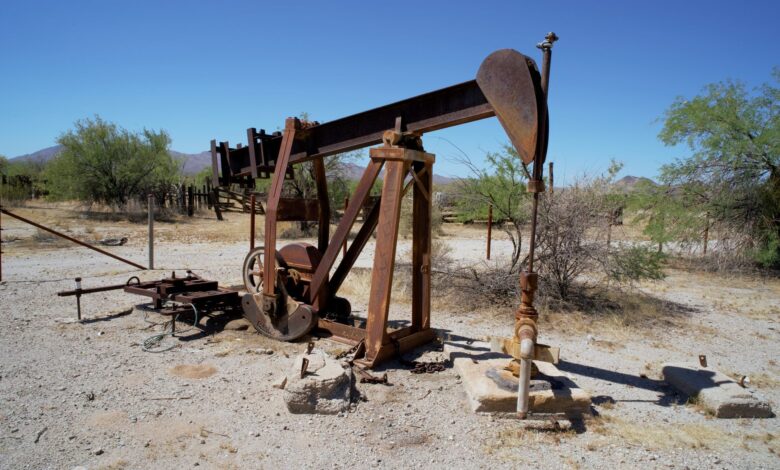
Saltwater disposal wells are not glamorous. They sit at the unglamorous end of the oil and gas supply chain, accepting the billions of gallons of produced water that come up alongside crude – water that is too salty, too chemically complex, and often too radioactive to release into the environment. For decades, the companies that owned these wells were treated as utility players: necessary, but not particularly interesting to outside capital. That is starting to change.
A growing number of family offices – the private investment arms managing wealth for ultra-high-net-worth families – have been quietly building positions in saltwater disposal well leases over the past several years. The accumulation is happening below the radar of mainstream financial media, structured through limited partnerships and direct lease agreements that rarely require public disclosure. The logic driving the move is straightforward once you understand the infrastructure bottleneck at the center of American shale production.
Why Produced Water Is a Structural Opportunity
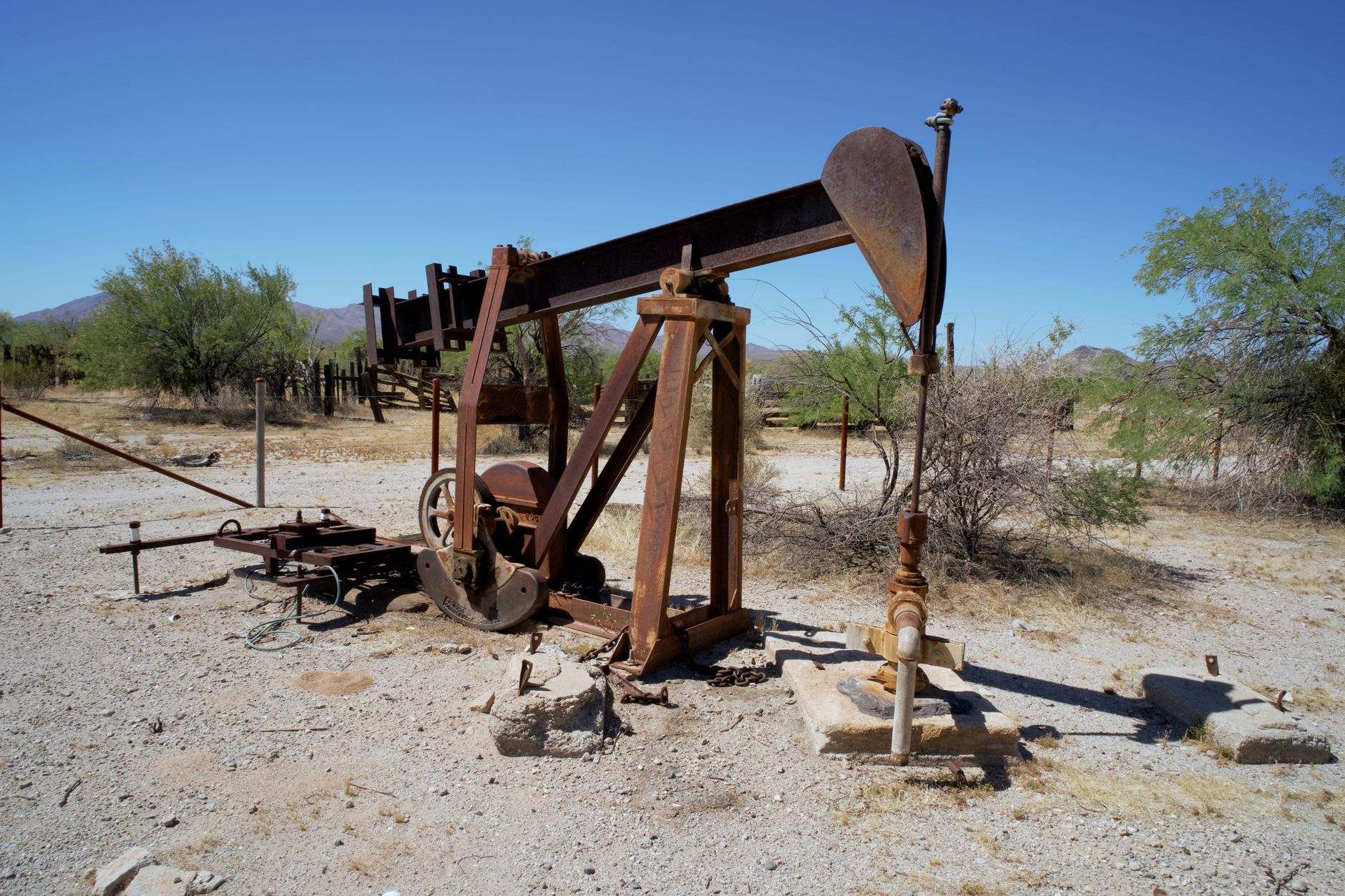
Every barrel of oil extracted from a shale formation comes with somewhere between three and ten barrels of produced water, depending on the basin and the age of the well. That water must go somewhere. Historically, operators reinjected it into permitted disposal wells – often on their own acreage – but as shale development has matured, produced water volumes have grown faster than disposal capacity in many of the most active plays. The Permian Basin in West Texas has become the most acute example: water production there has outpaced crude output growth for years, creating persistent demand for disposal capacity that operators cannot always build fast enough on their own.
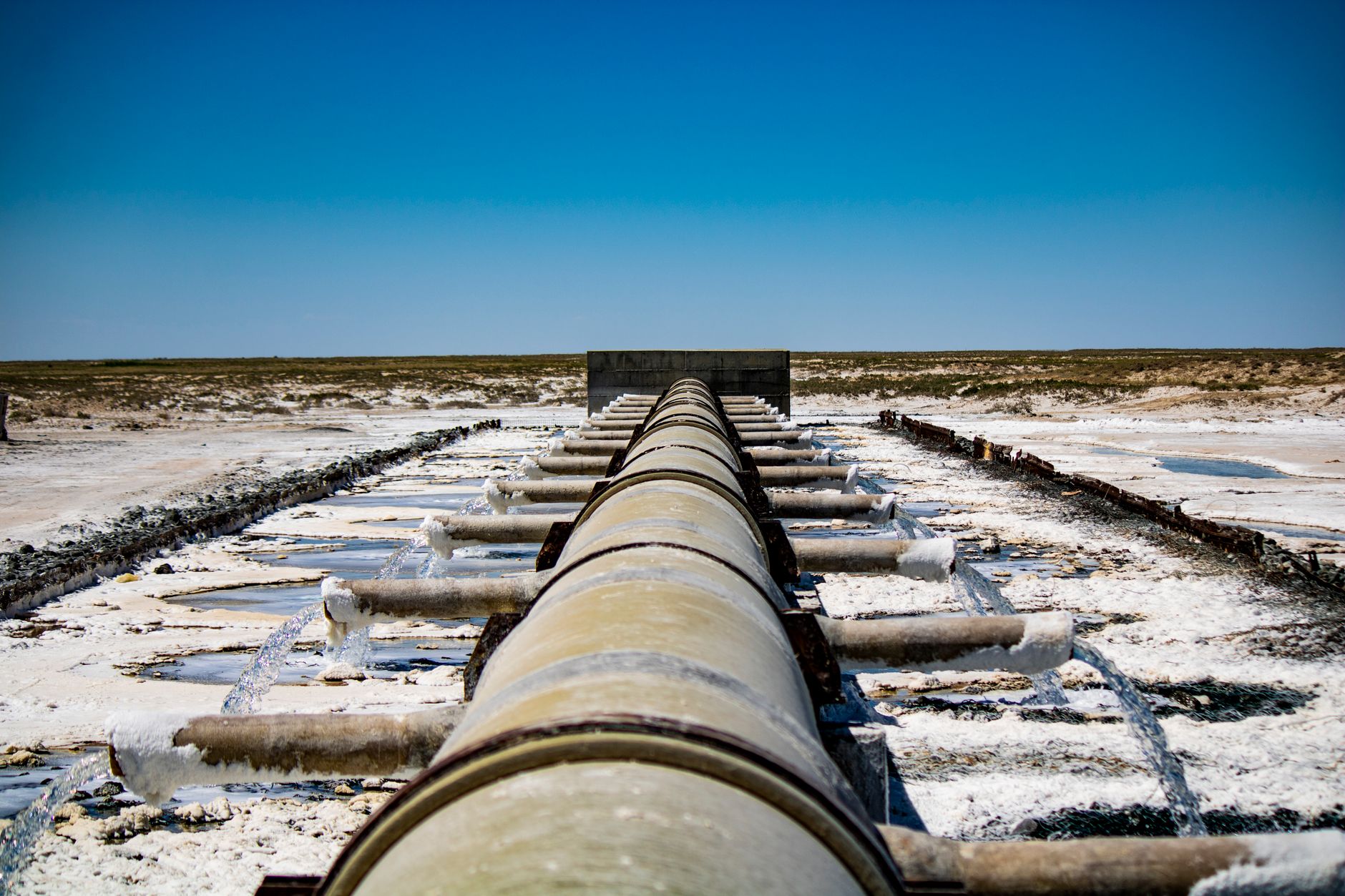
Saltwater disposal well leases give the owner the right to accept produced water from third-party operators, typically charging a per-barrel fee. The fee structure is relatively predictable. Operators under production pressure need disposal access and are generally willing to sign multi-year agreements to secure it. The underlying asset – a permitted injection well with established geology and regulatory standing – is difficult and slow to replicate. New disposal well permitting can take anywhere from several months to several years in congested basins, which gives existing permitted capacity a durable competitive position.
The revenue model resembles a toll road more than a commodity bet. The operator of the disposal well does not take price exposure to oil or gas. Whether crude is at $60 or $90 per barrel, produced water still needs to go somewhere, and the disposal fee is negotiated independently of commodity prices. This characteristic is precisely what is drawing family office capital, which tends to prioritize income stability and capital preservation over aggressive growth.
How Family Offices Are Structuring the Exposure
Direct lease acquisition is the most common approach. A family office, sometimes alongside one or two co-investors, purchases the lease rights to an existing disposal well or a package of wells from a mid-size operator looking to monetize non-core infrastructure. The seller typically retains a disposal agreement as part of the transaction, so the new owner has an immediate revenue stream from the prior operator. From there, the family office or its operating partner markets excess capacity to other producers in the area.
The other common structure is a limited partnership stake in a disposal-focused operating company. A number of small and mid-size companies have built regional networks of disposal wells across active basins, and they have been raising capital from private investors to fund acquisition and development. Family offices comfortable with illiquid alternatives and five-to-seven-year hold horizons are a natural fit for these vehicles. The target returns being pitched in these arrangements generally fall in the low-to-mid double-digit range on an unlevered basis, with leverage pushing projected returns higher.
The seismic risk question comes up in every serious evaluation of disposal well assets. Injection of produced water into certain geological formations has been linked to induced seismicity, and regulators in states like Oklahoma and Texas have imposed volume restrictions and operational requirements on disposal wells in seismically sensitive areas. For family offices doing due diligence, the geological survey of the injection formation and the well’s proximity to known fault systems is not optional analysis – it is a core part of the underwriting. Wells with clean seismic histories in stable formations command meaningfully higher prices than those with regulatory flags.
There is also a water treatment angle that some more sophisticated buyers are starting to incorporate into their thinking. Produced water treatment and reuse – rather than simple disposal – is gaining traction as water scarcity concerns grow in arid basins like the Permian. A disposal well with the physical footprint and infrastructure to accommodate future treatment upgrades is worth more than a bare injection well, and some family offices are specifically targeting assets with that optionality baked in. The regulatory trajectory in Texas and New Mexico is moving toward encouraging reuse, which means assets positioned for that transition carry a longer runway than pure disposal plays.

What makes the current moment interesting is the seller side. A number of independent exploration and production companies that built out disposal infrastructure during the shale boom are now under pressure to simplify their balance sheets and focus on upstream operations. That is generating deal flow at valuations that buyers consider reasonable relative to the contracted cash flow. Family offices, which can move without the approval processes and return hurdles of institutional funds, have been able to close deals quickly – sometimes within weeks of initial contact – which sellers often prefer over a longer institutional process. In basins where disposal capacity is genuinely constrained, that speed is a competitive advantage that private family capital is using to its fullest.