
The Quiet Accumulation of a Boring Asset
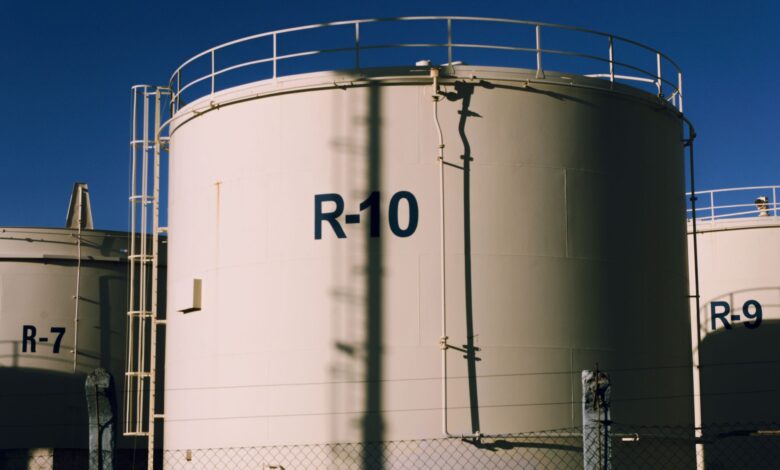
Asphalt terminal leases are not the kind of investment that gets mentioned at cocktail parties. They sit at the unglamorous end of the infrastructure spectrum – bulk liquid storage facilities that receive, heat, and dispatch asphalt to road construction crews and roofing material manufacturers. Yet a growing number of hedge funds have been quietly building positions in these leases over the past several years, drawn by a combination of inelastic demand, long contract durations, and a near-total absence of retail competition in the space.
The pattern is familiar to anyone who has watched sophisticated capital move through niche real assets. Funds identify an asset class that produces reliable cash flows, carries structural barriers to new competition, and attracts minimal attention from other institutional investors. Asphalt terminals check all three boxes. What makes the current moment notable is the scale of interest – funds that previously focused on more conventional infrastructure plays are now treating asphalt storage as a distinct allocation target rather than an incidental exposure.
Why Asphalt Storage Works as a Financial Asset
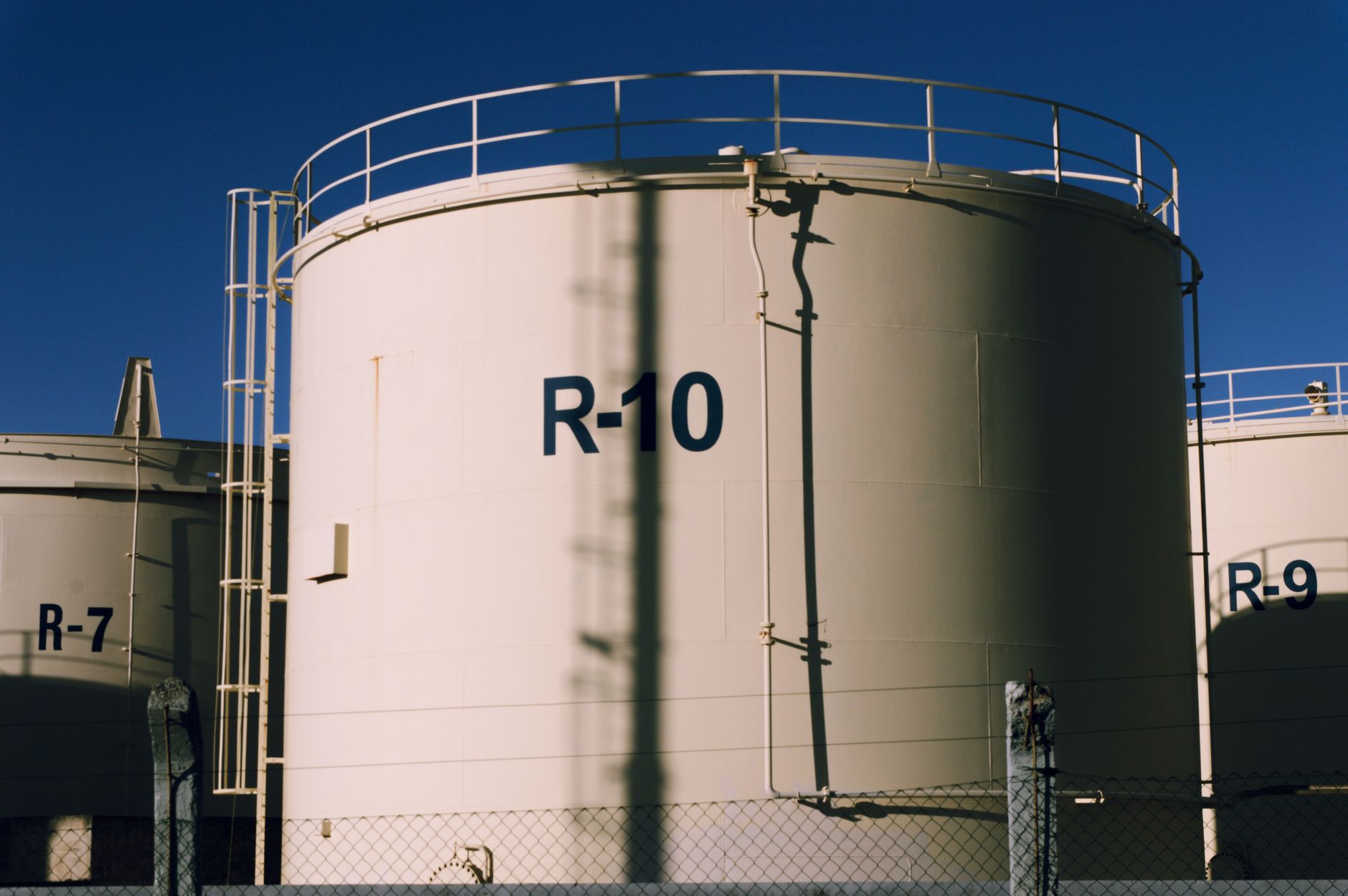
The core appeal of an asphalt terminal lease is straightforward: asphalt is a material that must be stored at high temperatures – typically between 300 and 350 degrees Fahrenheit – and cannot simply be warehoused in a generic facility. That physical requirement creates a durable competitive moat. A terminal operator who controls a strategically located facility near a port, river, or rail line has something that cannot be replicated quickly or cheaply. Permitting timelines alone for new terminal construction can stretch beyond five years in many jurisdictions, and environmental review adds additional layers of delay.
Lease structures in this space tend to mirror those seen in other midstream energy assets. Operators typically sign throughput agreements with asphalt producers or distributors that run five to fifteen years, with minimum volume commitments that protect the terminal owner from demand fluctuations. The tenant bears the cost of heating and equipment maintenance in most arrangements, leaving the lease holder with something close to a triple-net income stream. That structure is what draws fixed-income-oriented hedge funds into the conversation alongside more traditional infrastructure equity players.
Demand for asphalt is also notably resistant to economic cycles compared to other construction materials. Road maintenance budgets at the state and federal level operate on multi-year appropriations cycles and are partially insulated from short-term economic slowdowns. The federal infrastructure spending programs passed in recent years have added another layer of visibility to future asphalt consumption, giving investors a longer planning horizon than they would get from, say, commercial real estate or speculative industrial development.
The Competitive Landscape and Capital Structure
Until recently, asphalt terminal ownership was dominated by a handful of large integrated oil companies, regional energy cooperatives, and family-owned terminal operators who had built their facilities decades ago and had little incentive to sell. The current wave of hedge fund interest has been partly enabled by generational transitions at some of those family-owned operators, who are finding that institutional buyers offer clean exits at attractive valuations. This dynamic is not unique to asphalt – similar generational transfer patterns have driven deal flow in other niche midstream assets like saltwater disposal well leases, where family offices have moved in as original owners seek liquidity.
Hedge funds approaching this space typically do so through one of three structures. The first is direct lease acquisition, where the fund purchases the land and facility and leases it back to an existing operator under a long-term agreement. The second is a sale-leaseback arrangement initiated by the terminal operator who wants to free up capital while retaining operational control. The third – and least common – is participation in a pooled terminal operating company that aggregates multiple facilities across a geographic region, offering diversification but adding operational complexity.
The Risk Calculus and What Could Go Wrong
The bull case for asphalt terminal leases rests on assumptions that deserve scrutiny. The most frequently cited concern is the long-term trajectory of asphalt demand as road construction technology evolves. Recycled asphalt pavement, which reprocesses existing road material rather than requiring virgin asphalt, has grown steadily as a share of total paving activity. If recycling rates continue to climb, the volume of asphalt moving through dedicated terminal infrastructure could decline meaningfully over the next two decades, which matters enormously for lease structures that run fifteen or more years.
Location risk is another variable that sophisticated investors are careful to model. A terminal with superior river access or proximity to a major highway corridor commands significant premium over a generic facility, but geographic advantages can erode. Bridge weight limit changes, shifting port infrastructure, and highway rerouting have historically stranded terminal assets that once seemed perfectly situated. Funds building positions in this space need granular knowledge of local infrastructure planning – the kind of due diligence that favors specialist managers over generalists chasing yield.
There is also a regulatory dimension that has grown more complex in recent years. Asphalt terminals store a material classified as a hazardous substance, and environmental liability in the event of a spill or contamination event attaches to both operators and, in some jurisdictions, property owners. Lease agreements typically contain indemnification provisions, but the enforceability of those provisions against a tenant who has become insolvent is a real legal question. Funds that are acquiring fee ownership of terminal land – rather than simply holding a leasehold interest – are taking on environmental exposure that needs to be priced carefully.
What keeps institutional capital interested despite those risks is the fundamental scarcity of well-located asphalt storage in the United States. The terminal network built out over the latter half of the twentieth century has seen minimal new construction since roughly 2000, and the gap between aging existing infrastructure and the capital required to replace it has created a situation where functioning terminals command valuations that would have seemed implausible a generation ago. Whether that scarcity premium holds as road construction spending patterns shift over the next decade is the question hedge fund managers holding these positions cannot yet answer with confidence.