

The Quiet Accumulation Below the Tarmac
Airport fuel hydrant systems are not glamorous infrastructure. They are buried pipe networks running beneath taxiways and aprons, designed to deliver jet fuel directly to parked aircraft without the delay and hazard of tanker trucks. Most travelers have never heard of them. That invisibility is precisely what makes the leases governing these systems so attractive to a specific class of institutional investor – hedge funds with long-duration capital looking for yield that bears almost no correlation to equity markets.
Over the past several years, a number of alternative asset managers have been quietly acquiring lease positions tied to airport fuel hydrant infrastructure, often through joint ventures with fuel consortium operators or through secondary purchases from airlines unwilling to carry the assets on their balance sheets. The positions are small enough to avoid headline attention but structured in ways that could generate stable returns for decades.
What a Fuel Hydrant Lease Actually Is
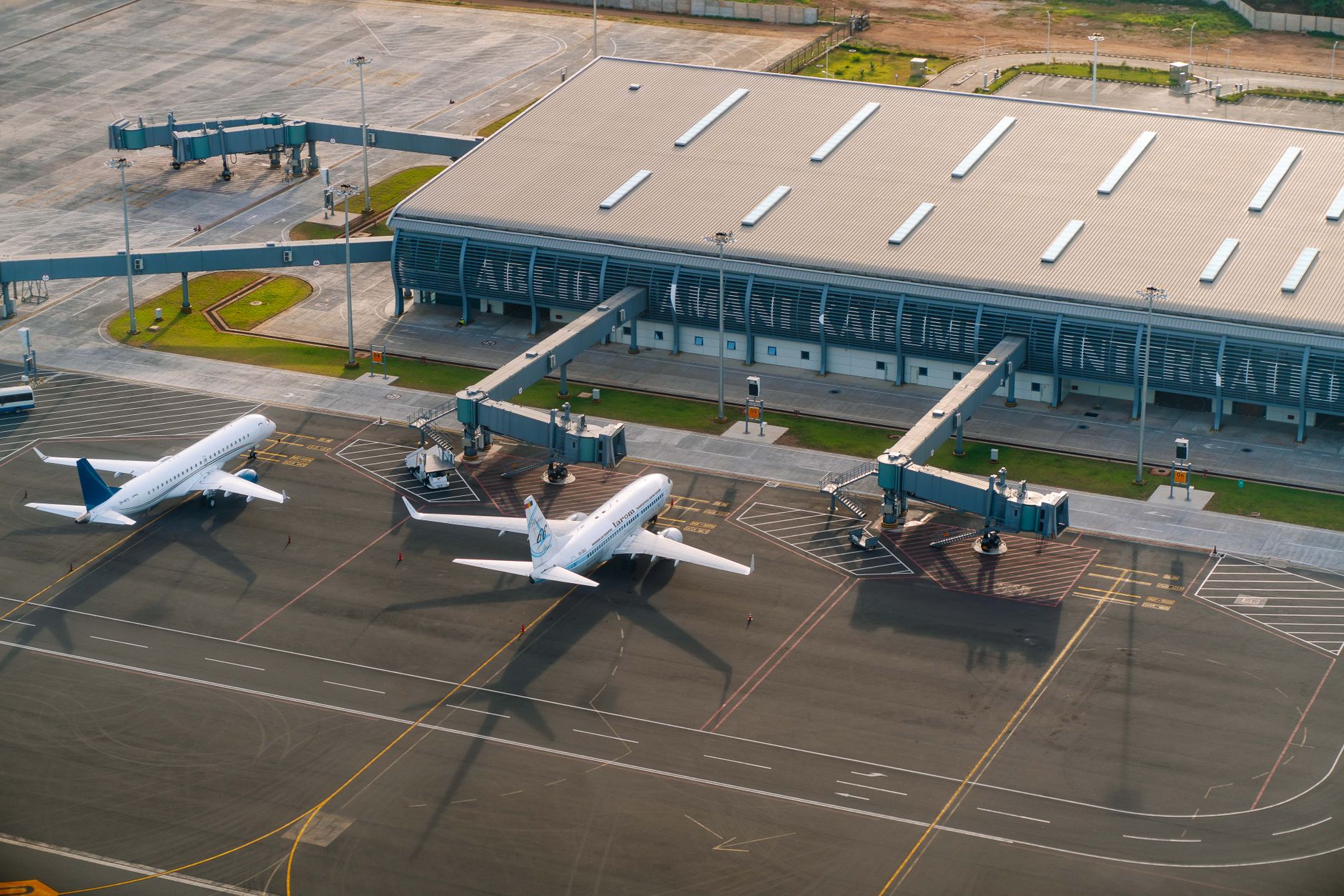
At major airports, airlines and fuel suppliers operate through into-plane fueling agreements and consortium structures. The physical hydrant pit valves, the underground distribution piping, the filter vessels, and the pump houses are often owned or leased separately from the airport authority’s core assets. In some cases, a fuel consortium – typically a joint venture between several carriers – holds a long-term operating lease from the airport, then sublicenses access to individual airlines based on throughput volumes. That sublicense layer, along with the master lease itself, is where institutional buyers are finding entry points.
The appeal is structural. Airport fuel hydrant leases tend to run anywhere from 20 to 40 years, often with renewal options and inflation-linked throughput fees. Because aviation fuel delivery is a regulated necessity – not a discretionary service – the probability of a hydrant system sitting idle is extremely low at any hub airport with sustained traffic. The revenue model resembles a toll road more than a commodity trade: the investor does not take fuel price exposure, only volume and fee exposure, and airports rarely see catastrophic volume collapses outside of genuinely historic disruptions.
Why Hedge Funds Are Moving Here Now
The timing reflects a search for assets that carry what the investment community calls “essential service” characteristics – things that must function regardless of broader economic conditions. Airport fuel infrastructure sits in a narrow category alongside water treatment facilities and electricity substations: it is legally and operationally required for the host facility to function at all. That regulatory necessity creates a floor beneath the asset’s utility that most financial instruments simply cannot replicate.
There is also a supply constraint working in investors’ favor. New airport hydrant systems require significant capital expenditure, years of construction coordination with airport authorities, and regulatory approval from aviation bodies. That process limits competitive entry in a way that, say, warehouse real estate does not. Once a consortium holds a master lease at a given airport, competing infrastructure rarely gets built. The incumbent operator effectively holds the position for the lease duration, barring extraordinary circumstances.
Hedge funds are also drawn to the currency of complexity. These transactions require legal teams fluent in aviation law, environmental liability frameworks for petroleum infrastructure, and the specific covenant structures airport authorities use when granting long-term access rights. Most institutional buyers cannot navigate that combination. That friction keeps prices lower than they might otherwise be in a more liquid market, preserving a margin that funds with specialized legal capacity can capture on entry.
This pattern of accumulating niche infrastructure leases is not unique to aviation fuel. Sovereign wealth funds have deployed similar logic in ammonia export terminal leases, targeting infrastructure that is physically irreplaceable and legally protected by long-duration contracts at port authorities. The underlying principle – find a regulated chokepoint, hold the paper on access to it, collect inflation-adjusted fees – translates across sectors.
The Risk Profile Investors Are Accepting
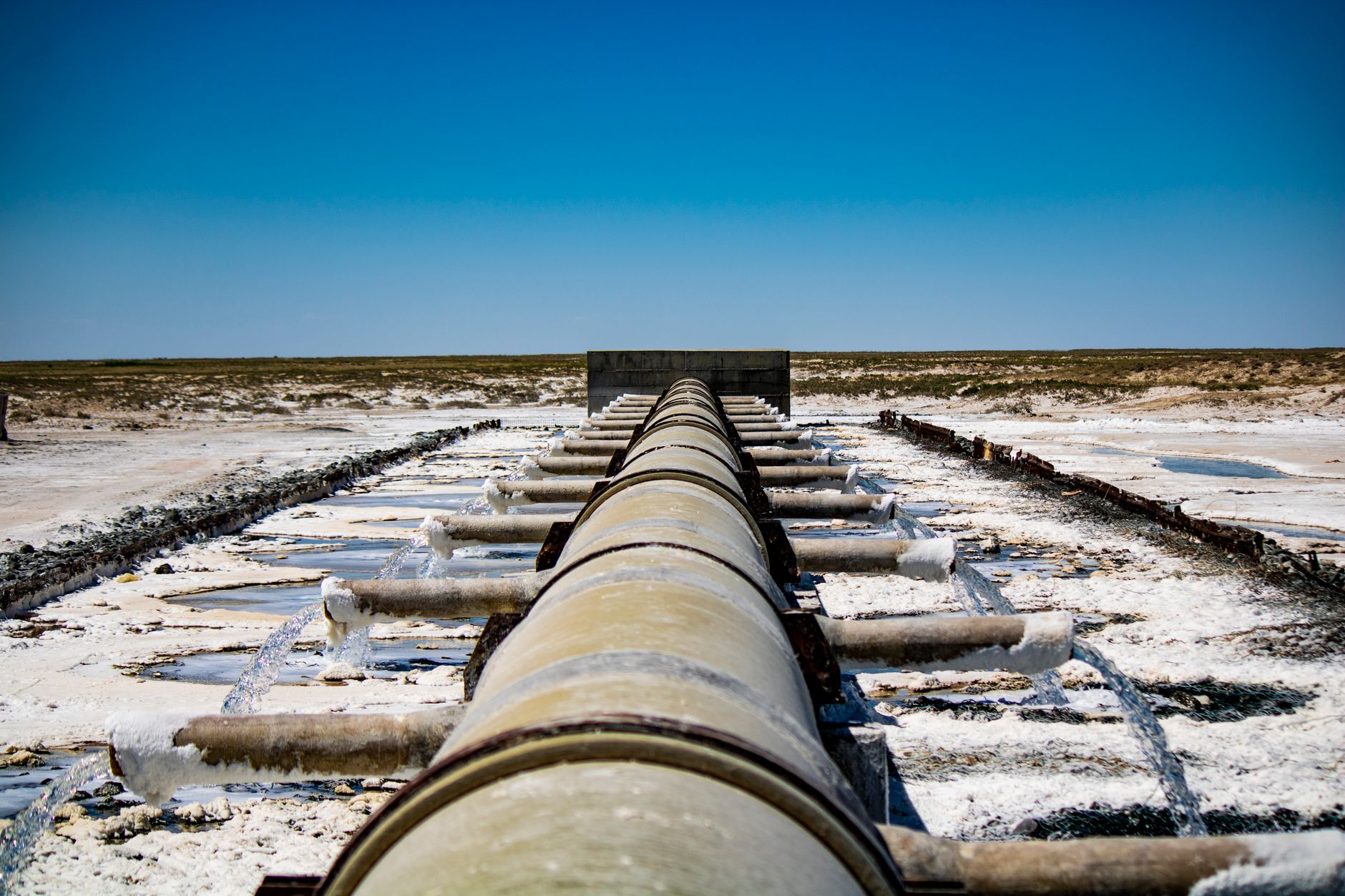
These positions are not without genuine exposure. Environmental liability is the most obvious concern. Underground petroleum infrastructure carries contamination risk, and depending on how lease agreements allocate responsibility, a fund holding a sublease position could face remediation obligations if a legacy spill is discovered during the lease term. Sophisticated buyers work hard to ring-fence that exposure through indemnity structures and environmental insurance, but the risk does not disappear – it gets priced and allocated.
Volume risk is the other variable worth watching. A hydrant system at a domestic hub airport looks very different from one serving a regional airport with two or three airline customers. Concentration of throughput in a small number of carriers creates dependency: if a primary airline at a regional airport reduces service or exits a route base, throughput fees can fall sharply. Funds building positions tend to target airports with diverse carrier mixes and strong origin-destination traffic rather than pure connection hubs, where volumes can shift faster.
The Secondary Market Taking Shape
What makes this moment distinct is the emergence of a secondary market for these positions. For years, hydrant lease interests were held almost entirely by the airlines and fuel companies that built the original consortium structures. Secondary sales were rare because few buyers had the expertise or patience to evaluate them. That is changing as alternative asset platforms build out dedicated aviation infrastructure teams and as airlines under financial pressure look to monetize non-core assets through sale-leaseback arrangements.
Some funds are reportedly structuring positions as preferred equity in the consortium operating entity rather than direct lease assignments. This approach allows them to capture distributions without assuming operational responsibility for the hydrant system, keeping the investment closer to a financial instrument than a real asset. The tradeoff is that preferred equity positions rank below senior debt in a default scenario – a consideration that requires careful scrutiny of the consortium’s overall capitalization.
The airports that draw the most interest are not necessarily the largest by passenger count. Funds appear to favor airports where a single fuel consortium holds a long-dated master lease with limited reversion rights for the airport authority – meaning the authority cannot easily reclaim the infrastructure mid-term. That contractual structure gives the lease holder, and by extension any investor holding an interest in it, a durability that airports with shorter or more flexible agreements cannot offer. At a handful of mid-size international airports, those conditions align precisely enough that competitive bidding for secondary positions has reportedly begun compressing entry yields below where they sat just three years ago.

Frequently Asked Questions
What is an airport fuel hydrant lease?
It is a long-term operating agreement granting rights to own or operate the underground fuel delivery systems at airports, typically structured through airline fuel consortiums.
Why are hedge funds interested in fuel hydrant infrastructure?
These leases offer inflation-linked fees, essential-service demand floors, and limited competitive entry, making them attractive for long-duration yield with low equity correlation.