
The Quiet Land Grab Beneath the World’s Oil Trade
Crude oil tanker berth leases – the long-term ground agreements that give operators the legal right to dock, load, and discharge massive vessels at port – have started appearing in hedge fund portfolios alongside the usual mix of equities, derivatives, and commodity futures. The shift is deliberate and largely out of public view. These are not traded instruments. They do not show up in 13-F filings with any clarity. They transfer through private transactions, often structured as ground lease assignments or equity stakes in special-purpose vehicles that hold the leasehold interest.
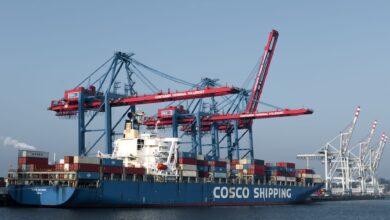
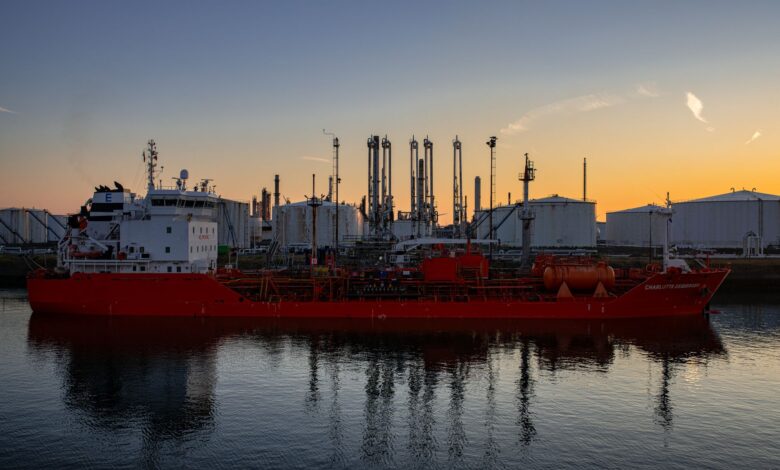
The logic is straightforward: global crude demand requires physical infrastructure to move, and the berths where tankers tie up are finite. Port expansion is slow, expensive, and politically complicated in most jurisdictions. A lease on a deep-water berth capable of handling Very Large Crude Carriers represents a durable, geography-locked asset with pricing power that compounds quietly over time.
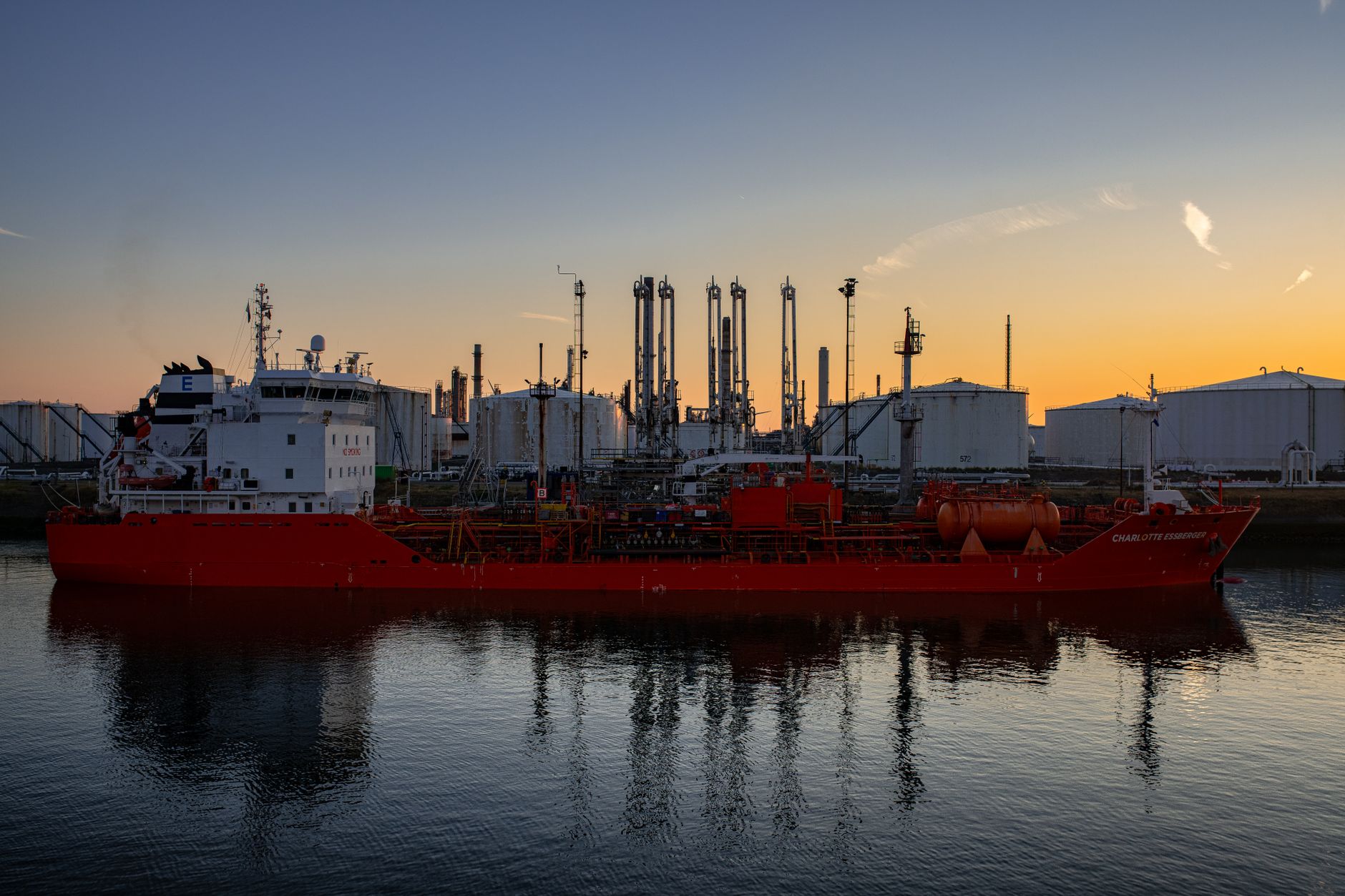
Why Berth Leases Attract Institutional Capital
A tanker berth lease is not the same as owning a ship. It is closer to owning the dock the ship must use. The leaseholder collects fees from operators who need access – fees that are typically indexed to throughput, time at berth, or a combination of both. Because crude tankers operate on global schedules driven by refinery demand and OPEC production decisions, the berths themselves see utilization that tends to be structurally high regardless of which company is moving the oil. The leaseholder is largely agnostic to crude price swings. Volume is what matters, and volume has remained durable.
Hedge funds entering this space are drawn by the inflation-linked revenue profile. Most long-term berth leases contain escalation clauses tied to CPI or port authority tariff schedules. That means revenue grows passively without renegotiation. For funds managing capital with a 10-to-20-year horizon – increasingly common among hedge funds that have launched long-duration sleeves or hybrid structures – a 30-year ground lease at a major crude terminal looks more like a bond with an equity kicker than a speculative trade.
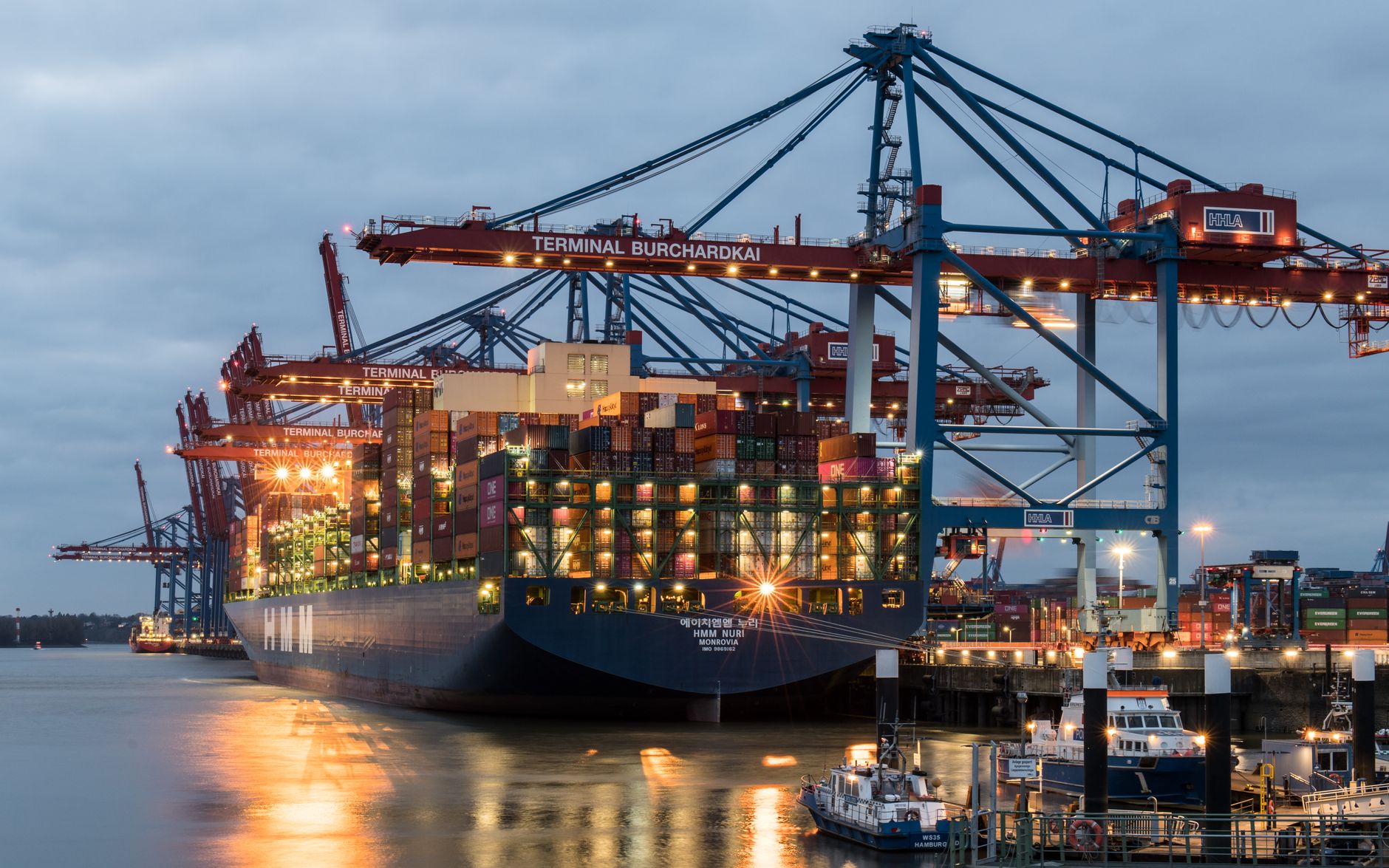
The Mechanics of Acquiring a Berth Position
Most berth leases are held by terminal operators, shipping companies, or port authorities that originally negotiated them decades ago. The original holders rarely advertise when they are willing to sell an interest. Transactions happen through maritime law firms, specialized infrastructure brokers, and occasionally through restructuring processes when a terminal operator runs into financial difficulty. Hedge funds that want exposure need relationships, patience, and a legal team fluent in admiralty law and ground lease assignment clauses.
One common structure involves acquiring a minority economic interest in an LLC that holds the leasehold, rather than taking an outright assignment of the lease itself. This sidesteps some port authority consent requirements that would trigger formal review if the lease were assigned directly. The fund gets cash flow participation and a carried interest in any future lease sale or renewal negotiation, without appearing as the named leaseholder on port authority records.
Another approach targets sale-leaseback arrangements. A terminal company that owns its berth lease outright and needs capital sells the lease to a fund-backed entity, then leases it back on a long-term basis at a fixed rate. The terminal operator gets immediate liquidity. The fund gets a long-dated income stream with a creditworthy counterparty – the original operator – effectively acting as a tenant. This structure mirrors what has already played out in diesel terminal ground leases, where sale-leaseback transactions have been a primary entry mechanism for institutional buyers.
The legal complexity is not trivial. Port authorities in the United States, the United Kingdom, Singapore, and the Gulf states all have different frameworks governing whether leasehold interests can be subdivided, sold, or pledged as collateral. A fund taking a position in a berth lease at a Dutch port operates under entirely different rules than one doing the same in Houston. That friction is part of the appeal – it keeps retail capital and less sophisticated buyers out of the market.
Geographic Concentration and Risk Considerations
The berths attracting the most attention are concentrated around a handful of high-throughput crude corridors: the Houston Ship Channel, the Strait of Malacca approaches, Rotterdam’s Maasvlakte terminal zone, and the Ras Tanura complex in Saudi Arabia. Not all of these are accessible to foreign private capital – Ras Tanura, for instance, operates under Saudi Aramco’s direct control. But the secondary and tertiary ports that feed the majors represent a large and fragmented opportunity set that no single institution has consolidated.
Risk in berth lease investing is real but specific. A lease tied to a terminal that loses its environmental permit, or a berth that becomes too shallow for the next generation of larger tankers, can lose its value rapidly. Draft depth is a physical constraint that cannot be wished away. Funds doing due diligence are commissioning hydrographic surveys and reviewing historical dredging records before committing. The operational risks are manageable with enough technical expertise, but they require capital that is comfortable operating at the intersection of finance and marine engineering.

What This Signals for the Broader Infrastructure Market
The move into crude tanker berth leases follows a pattern visible across physical commodity infrastructure. Capital that once sought yield in traditional fixed income is working its way down the supply chain into increasingly specialized physical assets. Royalty streams, ground leases, throughput agreements, and now berth rights are all attracting the same class of patient institutional money. The common thread is contractual revenue attached to assets that cannot be easily replicated or relocated.
For port authorities and terminal operators, this creates a new dynamic. The counterparty on the other side of a lease negotiation is no longer necessarily a shipping company or an oil major with operational interests in the terminal. It may be a fund with a financial mandate and no interest in actually docking a ship. That changes the negotiating environment. A fund holding a berth lease has no operational reason to accept below-market renewal terms. Port authorities accustomed to dealing with operators who needed the berth to run their business may find that purely financial leaseholders are considerably less flexible.
The earliest positions being built now will likely come up for renewal or restructuring within the next five to eight years, which is when the real test of this strategy arrives. Whether port authorities in major jurisdictions move to restrict financial ownership of berth leases – as some have already begun discussing in European maritime policy circles – will determine how durable this window remains.