
The Quiet Accumulation
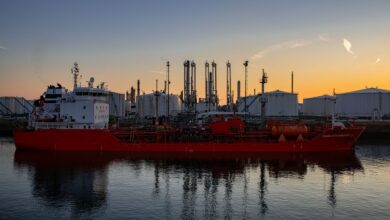
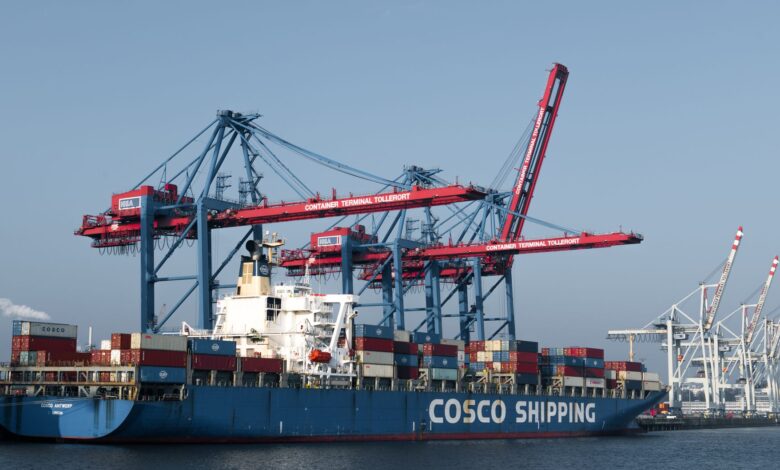
Methanol terminal leases are not the kind of asset that draws headlines at investor conferences or generates glossy fund prospectuses. They sit at industrial port facilities, often next to petroleum storage tanks and bulk chemical handling infrastructure, generating steady cash from long-term contracts with chemical producers, shipping companies, and energy traders. That lack of glamour is precisely the point. A growing number of pension funds are building exposure to these leases as a deliberate move away from volatile equity positions and toward assets that behave more like infrastructure bonds than commodity bets.
The strategy is quiet by design. Pension managers are not broadcasting their interest in methanol terminal ground leases or storage facility contracts because doing so would invite competition and drive up acquisition prices in a market that remains relatively thin. The assets are illiquid, geographically specific, and require operational knowledge that many institutional investors lack – which is exactly what makes the yield attractive for those willing to do the work.
Why Methanol, Why Now
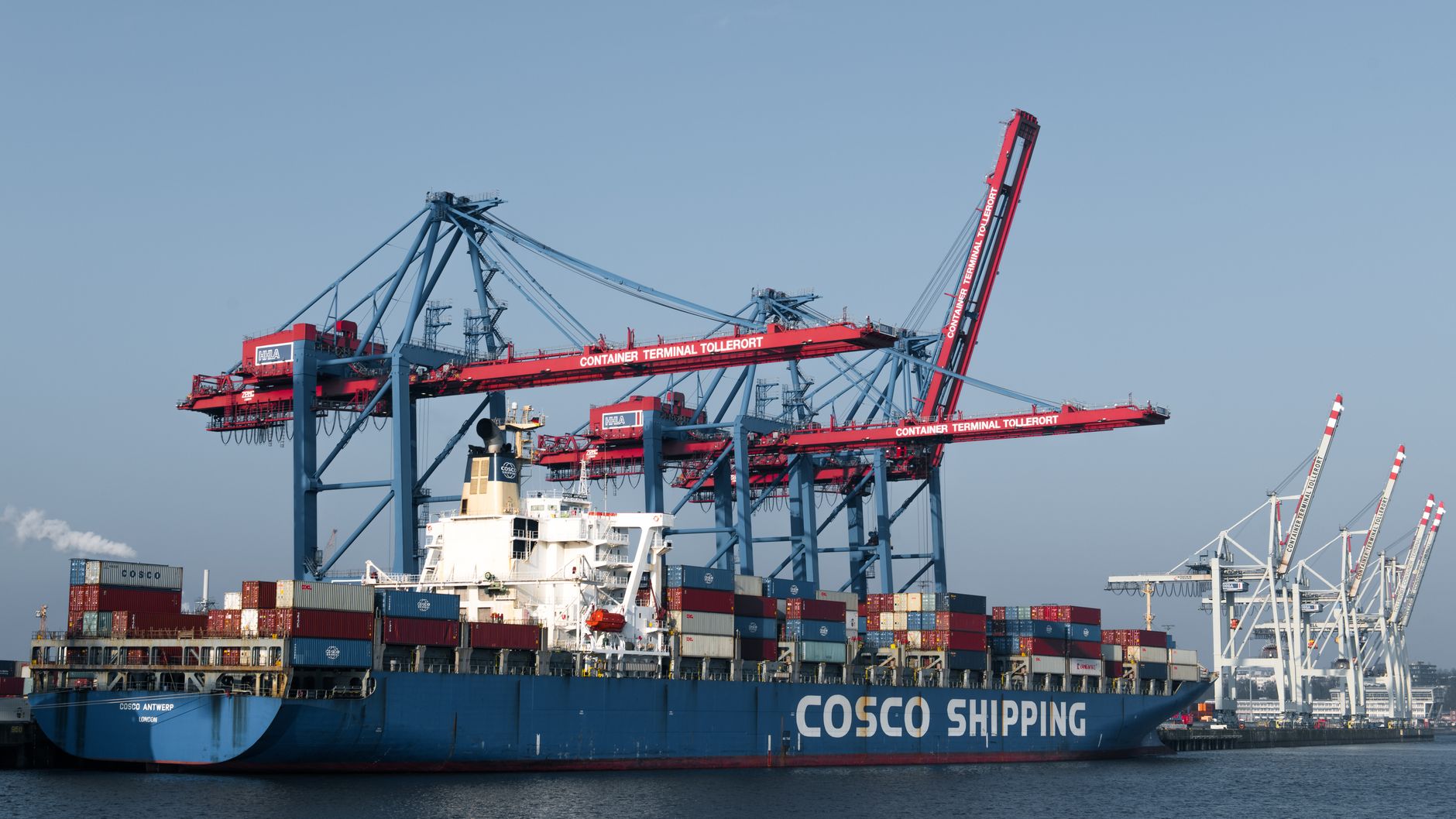
Methanol occupies an unusual position in the energy transition conversation. It is both a legacy petrochemical feedstock and an increasingly viable marine fuel, with major shipping operators testing methanol-powered vessels under pressure from international emissions regulations. That dual identity gives methanol terminal infrastructure a kind of optionality that pure fossil fuel assets no longer carry. A terminal that today handles methanol destined for formaldehyde or acetic acid production could, with relatively modest modifications, serve as a bunkering hub for methanol-fueled container ships within the next decade.
Pension funds investing in the leases rather than the terminals themselves are taking a deliberately conservative position within that optionality. The ground lease or long-term facility lease structure means the pension fund collects rent from a terminal operator – often a specialized midstream company or a port authority subsidiary – without taking on the operational liability of handling the methanol itself. The operator manages storage, loading, and compliance. The pension fund collects a contractually fixed or CPI-adjusted payment, often with lease terms running twenty to thirty years.
That structure mirrors what pension capital has done for decades in airport ground leases, cell tower ground rents, and retail real estate net leases. The difference is that methanol terminal leases sit in a less crowded market. Airport ground leases have been heavily competed by infrastructure funds and sovereign wealth vehicles for years, compressing yields. Methanol terminal leases, by contrast, have not yet attracted that density of institutional capital, so the spread above comparable-duration fixed income remains wide enough to justify the illiquidity premium.
Pension funds with long liability horizons – public employee retirement systems, union pension trusts, and defined benefit plans at large corporations – are structurally suited to hold these leases. A thirty-year lease that pays quarterly matches the duration of a pension fund’s longest liabilities without requiring the fund to predict methanol prices, shipping volumes, or energy policy with any precision. The lease payment comes regardless of what the methanol market does, as long as the terminal operator remains solvent and operational.

The Risk Profile Nobody Is Talking About
Terminal operator solvency is the central risk, and it deserves more scrutiny than the current enthusiasm for the strategy tends to give it. Methanol terminal operators are often mid-sized midstream companies with concentrated revenue exposure to a single commodity and a single geographic market. If methanol demand contracts sharply – whether because a major downstream industrial customer relocates or shuts down, or because a competing fuel technology captures the marine market faster than projected – the operator’s ability to maintain lease payments could deteriorate well before the lease term expires. A pension fund holding the ground lease or facility lease would then face a choice between renegotiating terms, finding a replacement operator, or absorbing a period of zero cash flow while the terminal sits idle.
That scenario is not common, but it is not hypothetical either. Industrial port terminals have gone dormant before when commodity cycles turned. Pension funds entering this market now are doing so with the benefit of strong methanol demand fundamentals, but they are signing leases that will run through commodity cycles that nobody can predict with confidence. The illiquidity of the asset means there is no easy exit if conditions deteriorate. This is why due diligence on operator creditworthiness and the diversification of the operator’s customer base matters as much as the lease terms themselves.
How the Deals Get Structured
Most pension funds are not acquiring methanol terminal leases directly. The more common path runs through specialized infrastructure funds or real assets vehicles that pool capital from multiple pension clients, then source and structure individual lease acquisitions. The fund manager brings the origination relationships and the operational knowledge; the pension fund brings patient capital and a long investment horizon. Management fees and carried interest eat into the yield, but for pension funds that lack the internal staff to underwrite industrial terminal leases, the cost is justified.
Some larger public pension systems with substantial internal investment teams are beginning to explore direct acquisition programs, bypassing the fund manager layer entirely. This approach is more common in Canada, where several large public pension managers have built out real assets teams capable of directly owning and managing infrastructure across multiple asset classes. The U.S. public pension market has been slower to build that internal capacity, though a handful of the largest state systems are now staffing accordingly.
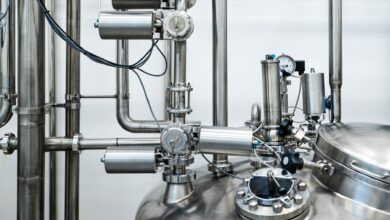
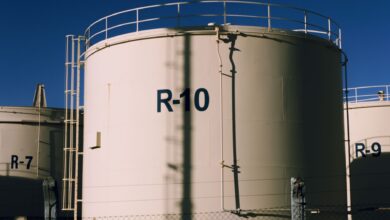
The lease structures themselves vary considerably. Some are pure ground leases on port-owned land where a terminal operator has built storage and handling infrastructure. Others are facility leases where the pension fund acquires the terminal infrastructure itself and leases it back to the operator under a long-term agreement – a sale-leaseback structure that gives the operator immediate capital and gives the pension fund a hard asset as collateral. The sale-leaseback version carries somewhat more residual value risk, since the pension fund then owns physical storage tanks and piping that would need to be repurposed or sold if the operator vacates. This is a dynamic that pension funds investing in diesel terminal ground leases have navigated for longer, and the methanol market is drawing on those structural precedents directly.
Where the Market Goes From Here
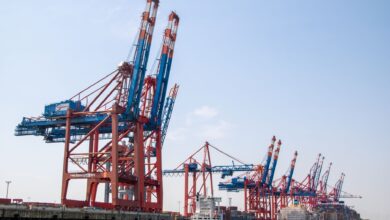
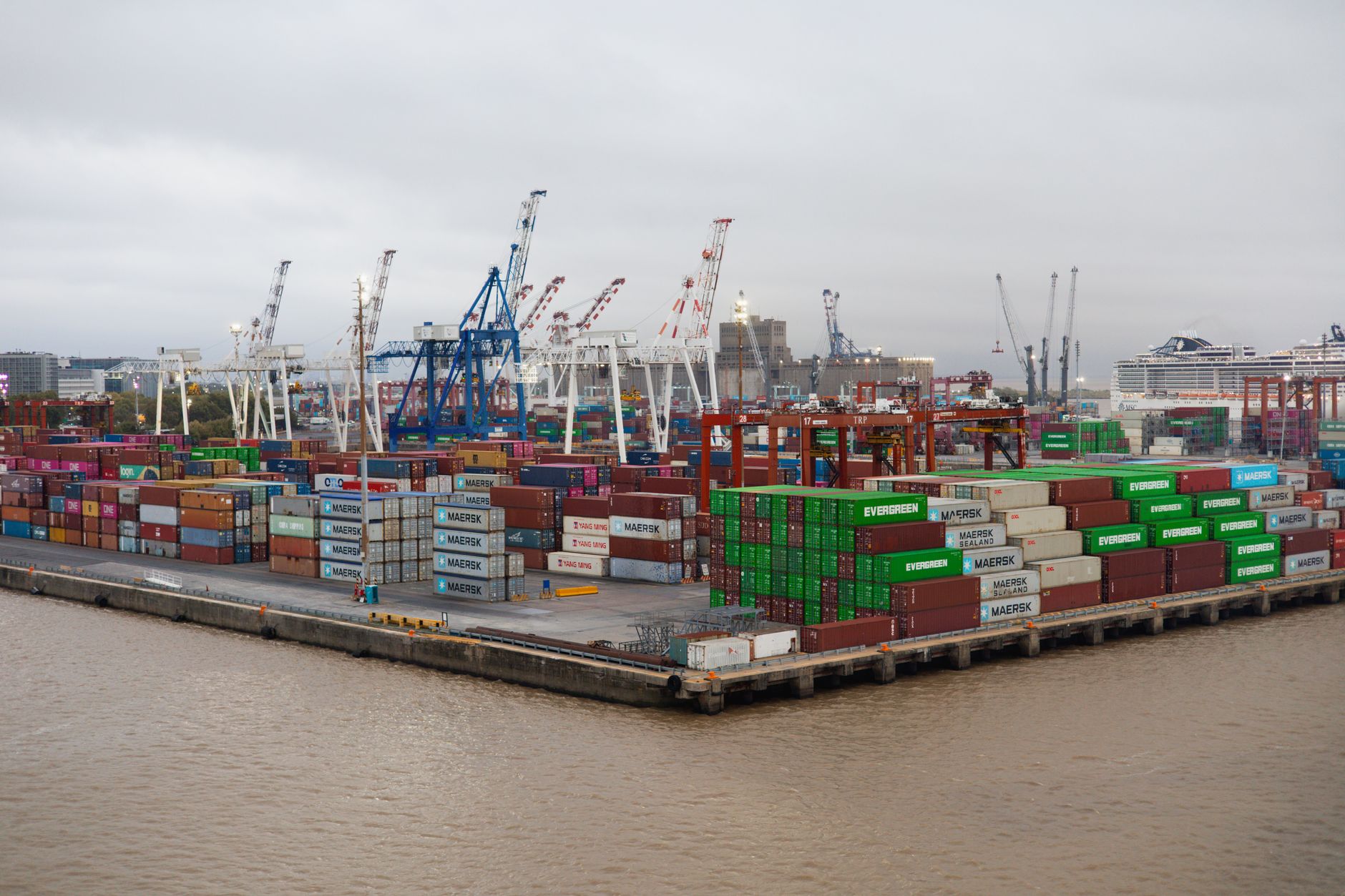
The methanol terminal lease market is still small enough that a modest increase in institutional interest will noticeably compress yields. That compression is already beginning in the most active port markets – the Gulf Coast, the Pacific Northwest, and select European hub ports where methanol bunkering infrastructure is advancing fastest. Pension funds that entered the market two or three years ago are sitting on positions with meaningfully better yield profiles than what is available to buyers entering now.
The forward pipeline of new terminal development could offset some of that compression. Several port authorities along the U.S. Gulf Coast have announced plans to expand methanol handling capacity, and those expansions will require capital that terminal operators may prefer to source through sale-leaseback arrangements rather than bank debt. That creates a fresh wave of lease origination opportunities at a moment when pension fund appetite for the asset class is building – though whether the timing of new supply matches the timing of institutional demand is not guaranteed.
What pension funds cannot afford to ignore is that the asset class is attracting attention from faster-moving capital alongside them. Infrastructure-focused private equity funds, which have shorter hold horizons and higher return targets, are also circling methanol terminal leases. If those funds begin competing aggressively for the same deals, pension funds will need to either accept thinner yields or find ways to differentiate their bids through longer lease terms, more flexible structures, or deeper operator relationships. The window where this remains a genuinely uncrowded corner of the real assets market may be shorter than the thirty-year leases being written inside it.