

The Quiet Land Rush Beneath America’s Energy Transition
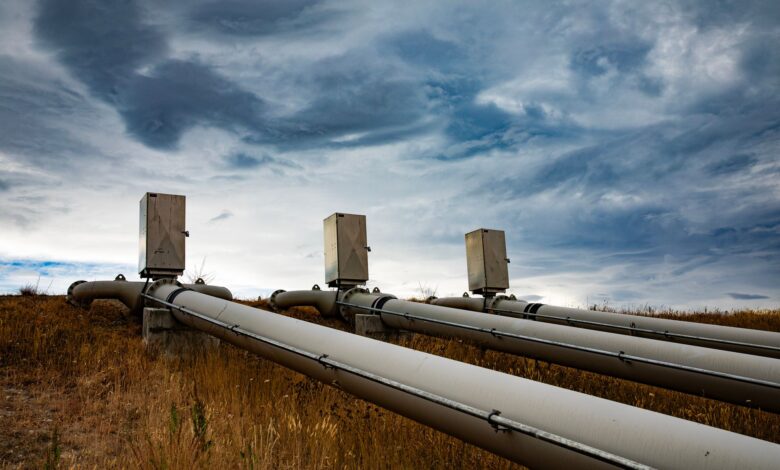
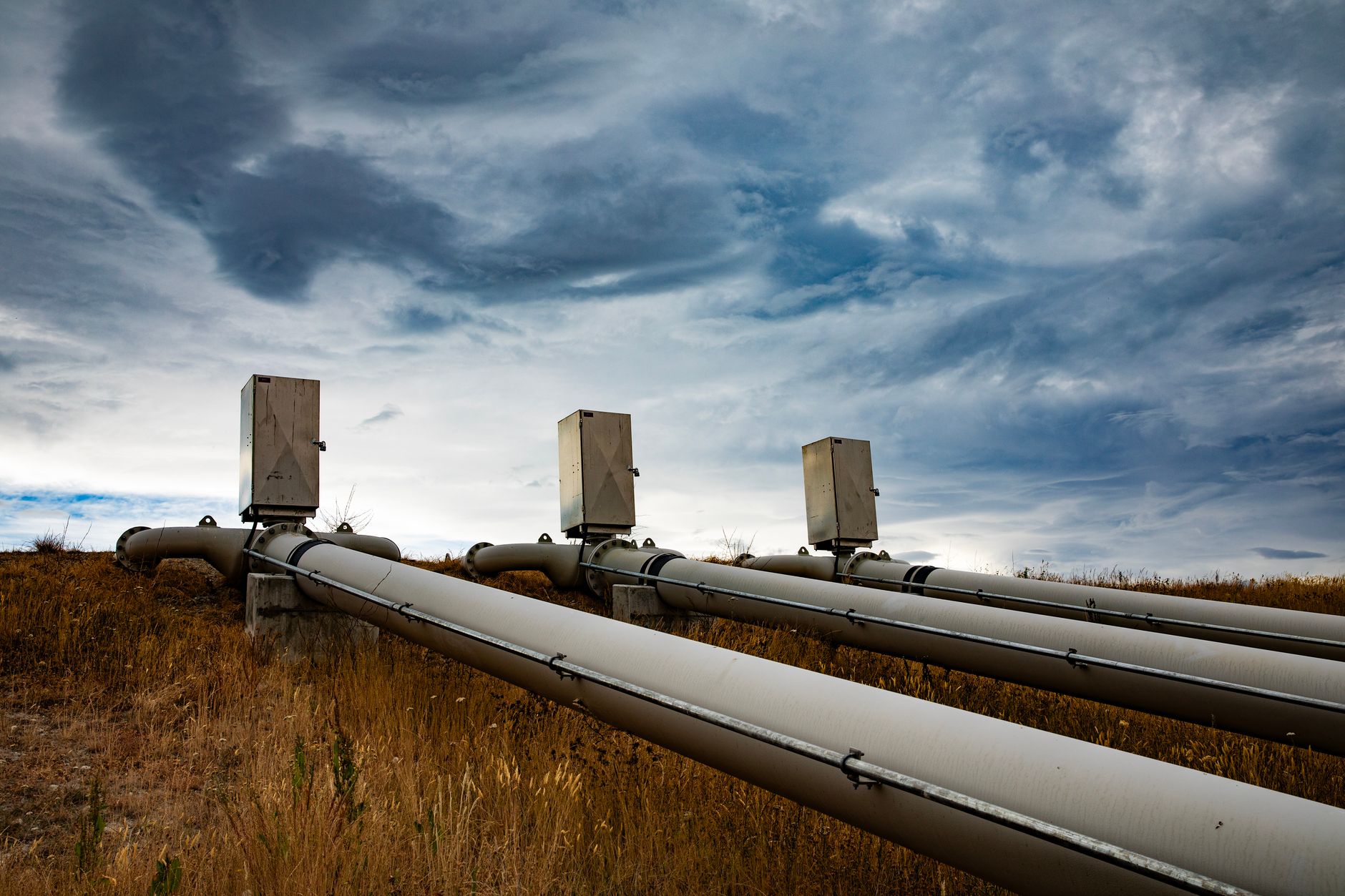
Ammonia pipelines are not glamorous infrastructure. They carry pressurized anhydrous ammonia – primarily used as fertilizer – across agricultural states from production hubs to distribution terminals. The rights-of-way that allow these pipelines to cross private and public land, known as easements, have historically been treated as legal paperwork filed in county courthouses and largely ignored by financial markets. That is changing.
A growing number of hedge funds specializing in real assets and alternative credit are quietly acquiring positions in ammonia pipeline easement streams – buying the contractual rights to receive payments from pipeline operators who cross landowners’ property. The strategy sits at the intersection of infrastructure finance, agricultural land rights, and the emerging hydrogen economy, making it unusually complex to value and even harder for retail investors to access.
It is also, by design, almost invisible.
Why Easements, and Why Now
An easement payment is structurally similar to a royalty. A pipeline operator secures the legal right to cross a parcel of land in exchange for an upfront payment, annual fees, or both. The landowner retains ownership of the land itself but grants permanent or long-term access for the pipeline corridor. When hedge funds buy into these streams, they are effectively purchasing the right to receive those ongoing payments – or negotiating bulk acquisitions of easement agreements directly from landowners who prefer immediate liquidity over years of smaller checks.
The timing connects directly to federal clean energy policy. Anhydrous ammonia has attracted serious attention as a hydrogen carrier – ammonia can be synthesized using green hydrogen and then cracked back into hydrogen at the point of use. That means the existing ammonia pipeline network, concentrated across the Midwest and Gulf Coast, is being re-examined not just as agricultural infrastructure but as a potential backbone for a future hydrogen distribution system. Pipeline operators including both established midstream companies and new entrants have announced feasibility studies for expanded ammonia transport capacity, which raises the long-term value of the easements those pipelines depend on.
The financial logic follows from scarcity. Existing easements took decades to negotiate across thousands of individual landowners. Recreating that network for a new pipeline route would require the same painful, parcel-by-parcel process under modern environmental review requirements that are far more demanding than those that governed original construction. An established easement corridor is therefore worth more than the sum of its annual payments – it represents a barrier to competition that cannot easily be replicated. This dynamic, familiar to anyone who has studied how royalty streams accumulate strategic value in resource infrastructure, applies with particular force to pipelines crossing fragmented agricultural land.

How the Positions Are Built
Hedge funds are not buying pipeline companies outright. The strategy is more surgical. Some funds work directly with rural landowners, particularly aging farmers who want to monetize a long-term asset without selling their land. Others partner with specialty law firms or land acquisition companies that already have established relationships in agricultural counties and can source easement agreements in volume. A third approach involves buying non-operating interests from small infrastructure partnerships that originally aggregated these easements but lack the capital or patience to hold them for the multi-decade horizon the hydrogen thesis requires.
Pricing these instruments is genuinely difficult. There is no public market for ammonia easement streams, no standardized valuation methodology, and very little transaction history to anchor comparable analysis. Funds building positions in this space are doing so at significant informational advantage over the counterparties they are buying from – typically landowners or small operators who have no way to price the optionality embedded in the hydrogen conversion thesis. That information asymmetry is, of course, the point. High-returning niche strategies depend on it.
The structures used to hold these positions vary. Some funds set up dedicated special purpose vehicles. Others fold easement acquisitions into broader real asset portfolios alongside timber rights, water entitlements, and mineral interests. The lack of standardization makes due diligence intensive but also creates a natural moat around the strategy – funds without specialized legal and land title expertise cannot participate effectively, which limits competition and helps preserve returns for early movers. This is a pattern that has appeared elsewhere in hard asset investing, including in lease-based infrastructure positions where access and legal complexity do the work that scale cannot.
The Risks Aren’t Small
The hydrogen-ammonia thesis is real, but the timeline is genuinely uncertain. Commercial-scale green ammonia production remains expensive relative to conventional ammonia, and the infrastructure buildout required for a hydrogen economy depends on policy support that has already shown itself to be politically fragile. If the federal clean energy incentive landscape shifts again, the premium that funds are currently paying for the hydrogen optionality embedded in these easements could evaporate, leaving investors holding low-yield land rights with limited upside.
There is also regulatory exposure specific to ammonia. Anhydrous ammonia is a hazardous material – pipeline incidents carry serious liability, and federal pipeline safety regulations have grown tighter. Any major ammonia pipeline incident anywhere in the country would likely trigger heightened regulatory scrutiny across the sector, potentially affecting easement terms, insurance requirements, and operator economics in ways that flow through to easement payment streams. Funds holding these positions are taking on tail risk that is difficult to hedge and rarely makes it into the marketing materials.
Liquidity is the final constraint. There is no exit mechanism for these positions that operates on a normal investment fund timeline. If a hedge fund needs to liquidate an ammonia easement portfolio, it is selling into a market with a tiny number of buyers, no price discovery mechanism, and counterparties who know exactly how motivated a seller is. The funds most active in this space are running long-dated capital structures – in some cases ten-year lockups or longer – precisely because they have no other option. For the institutional investors behind them, that is either a feature or a serious problem, depending on how the hydrogen timeline actually plays out.
Frequently Asked Questions
What is an ammonia pipeline easement?
It is a legal right granted to a pipeline operator to cross private or public land, typically in exchange for upfront or ongoing payments to the landowner.
Why are hedge funds interested in ammonia pipeline easements now?
Federal clean energy policy has elevated ammonia’s role as a potential hydrogen carrier, making existing pipeline corridors more strategically valuable than their current payment streams suggest.