
The Quiet Accumulation No One Is Talking About
Sulfur does not have the glamour of gold or the geopolitical drama of lithium. It is an industrial workhorse – a byproduct of oil refining and natural gas processing, essential to fertilizer production, chemical manufacturing, and battery technology. For most of financial history, it barely registered on institutional investors’ radar. That is changing, and the mechanism driving the change is the royalty stream – a financial structure that lets investors collect recurring payments tied to sulfur output without touching the underlying production business.
Royalty streams work by separating the economics of production from the economics of ownership. An investor acquires the right to receive a percentage of revenue – or physical delivery – from a producing asset over a defined period, or in perpetuity. The producer gets upfront capital without diluting equity; the royalty holder collects income with limited operational exposure. This structure has been standard in precious metals for decades, most visibly through companies that finance gold and silver mines in exchange for long-term stream agreements. Now a small but growing number of hedge funds are applying the same logic to sulfur, structuring deals with refineries, gas processors, and mining operations that generate sulfur as a co-product.
The positioning is early, quiet, and deliberate.
Why Sulfur, and Why Now
The demand side of sulfur’s story runs directly through agriculture. Sulfuric acid is the backbone of phosphate fertilizer production, and global food security depends on phosphate. As emerging markets increase per-capita caloric consumption and agricultural intensification continues across South Asia and sub-Saharan Africa, the underlying demand for sulfur is not speculative – it is structural and slow-moving in a way that makes long-duration royalty positions genuinely attractive. The royalty holder is not betting on a price spike; they are betting that the world keeps eating.
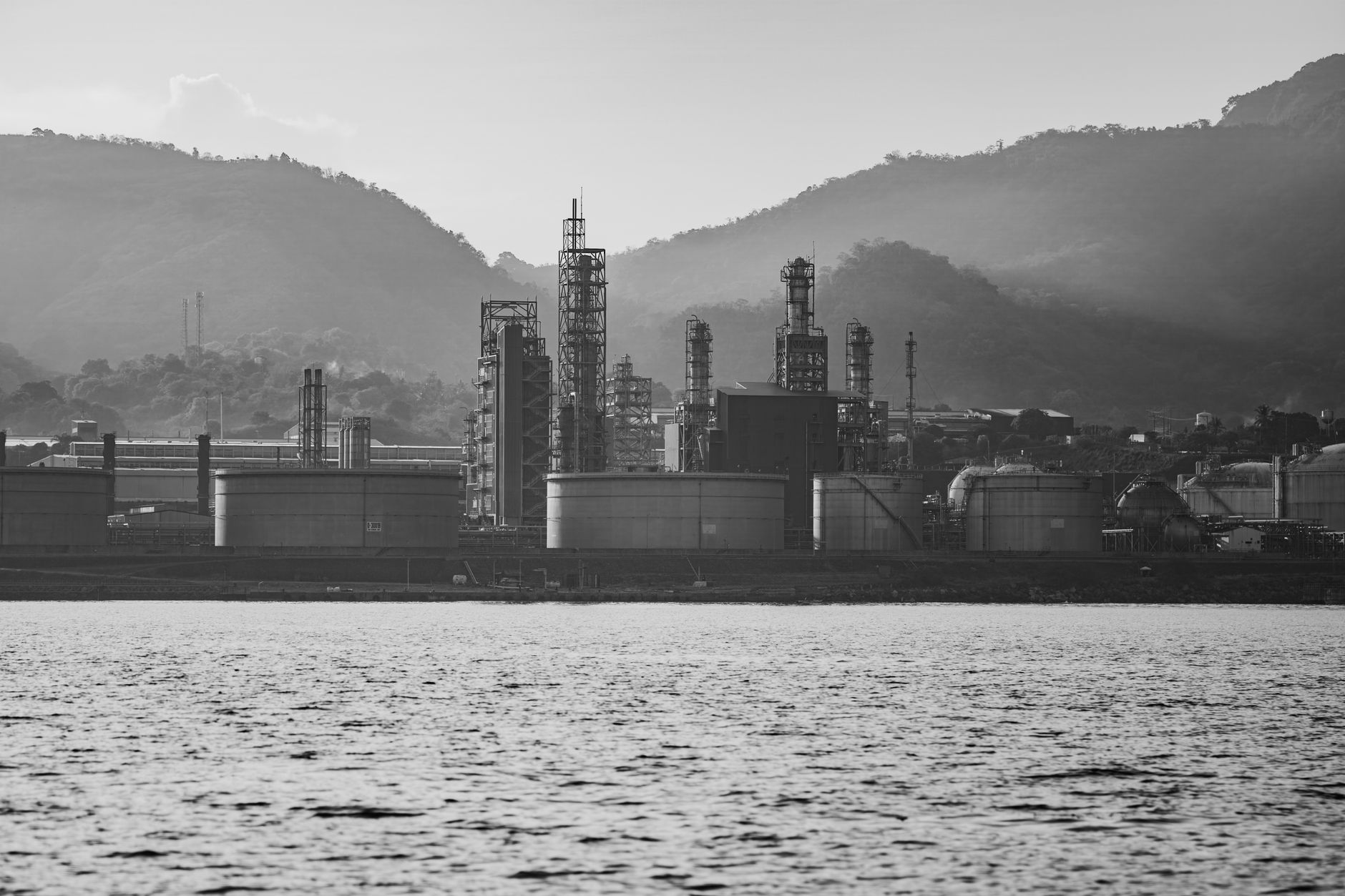
The supply side creates the interesting asymmetry. Most of the world’s sulfur supply is a byproduct, not a primary product. It is extracted from crude oil and natural gas to meet environmental regulations that prohibit high-sulfur emissions. As the energy transition progresses and refineries process lighter, cleaner crude, the sulfur yield per barrel decreases. Simultaneously, efforts to reduce oil consumption could shrink refinery throughput globally over the next two decades. This creates a scenario where demand for sulfur in fertilizers and battery materials holds steady or grows while involuntary supply gradually contracts. Royalty investors who lock in long-term agreements with existing high-sulfur processing facilities today are effectively buying a seat at a table that gets less crowded over time.
Battery technology adds a secondary demand vector that did not exist in previous cycles. Lithium-sulfur battery chemistry, which several major research programs are developing as a successor to lithium-ion, could open a new consumption channel for elemental sulfur at scale. No commercial lithium-sulfur battery has yet reached mass production, but hedge funds with long time horizons do not need the technology to arrive tomorrow – they need royalty agreements cheap enough that even the fertilizer demand alone justifies the position, with the battery option as a free call.

How the Deals Are Being Structured
The mechanics vary by counterparty and jurisdiction, but the common thread is that hedge funds are approaching sulfur royalty deals the way specialty funds have approached ammonia pipeline easements – as infrastructure-adjacent income with commodity upside. In a typical arrangement, a fund provides capital to a refinery or gas processing plant that wants to monetize its sulfur output stream without entering the commodities trading business directly. The fund receives either a fixed royalty per ton of sulfur produced, or a percentage of spot revenue, over a term that can run anywhere from ten years to the life of the facility.
Some deals are being structured around specific downstream contracts, where the royalty is tied not just to production but to delivery into a named off-take agreement with a fertilizer producer. This reduces price volatility risk for the fund, since the underlying contract anchors the revenue calculation. Others are broader, floating arrangements that give the fund more upside exposure if sulfur prices rise. The choice of structure depends heavily on the fund’s portfolio construction – whether it is seeking steady income, inflation-linked returns, or speculative commodity exposure dressed in a more defensible legal framework.
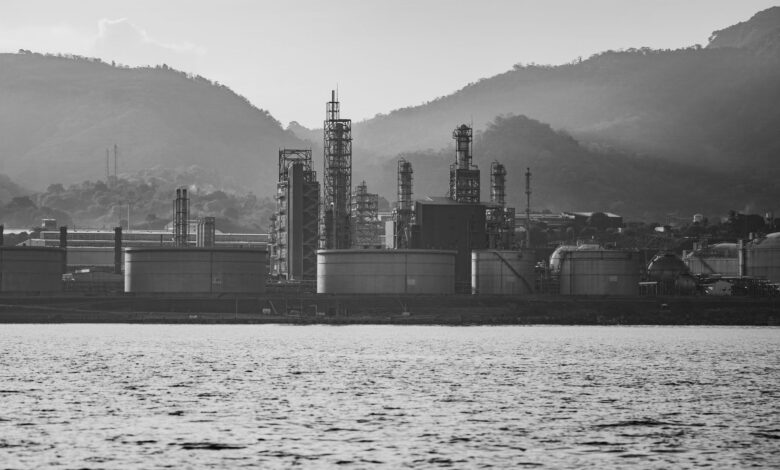
Geographically, the deal flow is concentrated in North America and the Middle East, where large-scale oil and gas processing generates significant sulfur volumes. Canadian oil sands operations, Gulf Coast refineries, and Saudi and Emirati gas plants all produce sulfur in quantities large enough to support institutional-scale royalty agreements. Some funds are also exploring positions in Morocco and Jordan, where phosphate mining operations produce sulfur as a processing input rather than a byproduct – a slightly different risk profile, but still within the royalty framework that makes these investments manageable without operational involvement.

The Risk Picture Is Not Simple
Sulfur royalty streams carry a specific set of risks that do not appear in standard commodity investment frameworks. The biggest is counterparty duration – a royalty tied to a refinery that closes early, either from economic pressure or energy transition policy, stops paying regardless of what global sulfur markets are doing. Funds are managing this through diversification across multiple facilities and jurisdictions, and through deal structures that include minimum payment guarantees or make-whole provisions. But the underlying operational risk of the producing asset never fully disappears. Sulfur prices have also been historically volatile, and while the structural demand thesis is sound, short-term price dislocations can compress royalty income significantly in floating-rate structures. The investor who cannot tolerate a two-year period of low sulfur prices should not be in this trade, whatever the long-term logic.
The illiquidity premium is real but carries its own burden. These are not publicly traded instruments. Once a fund commits capital to a sulfur royalty agreement, exiting before term requires finding a willing buyer in a thin secondary market, typically at a discount. That illiquidity is partly why the entry yields are attractive – and partly why only funds with locked-up capital and patient limited partners can afford to pursue the strategy seriously.
What makes the current moment notable is not the novelty of royalty investing – that model has existed in mining finance for generations – but the specific convergence of supply constraint, agricultural demand, and energy transition uncertainty that is making sulfur look less like an industrial afterthought and more like a quietly essential commodity. Whether the lithium-sulfur battery thesis materializes or not, the fertilizer floor alone is keeping institutional interest alive.