Hedge Funds Quietly Build Positions in Ammonia Terminal Throughput Agreements

The Quiet Accumulation Nobody Is Talking About
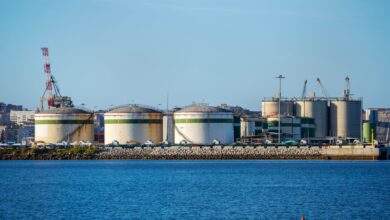
Ammonia terminal throughput agreements – contracts that give a holder the right to move specified volumes of ammonia through a storage or export terminal over a defined period – are not the kind of asset that shows up in quarterly earnings calls or financial media roundups. They sit deep in the infrastructure stack, priced on tariff schedules and capacity utilization rates that most retail investors would struggle to parse. That opacity is precisely why a growing number of hedge funds have been moving into them with unusual deliberateness over the past eighteen months.
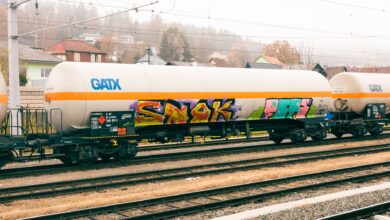
The logic is not complicated once you understand the underlying dynamics. Ammonia is the backbone of nitrogen-based fertilizer production, and it is rapidly becoming a serious contender as a hydrogen carrier for long-distance energy transport. That combination – agricultural necessity plus clean energy optionality – makes terminal throughput rights a dual-purpose asset at a moment when both markets are under structural pressure. A fund that controls the right to move ammonia through a key Gulf Coast or export terminal is not just holding a commodity contract. It is holding a toll road at the intersection of food security and energy transition.
The positions being built are small by hedge fund standards, but they are deliberate.
Why Throughput Agreements, Not the Commodity Itself
There is an important distinction between owning ammonia – a volatile, hazardous chemical that requires specialized handling and generates real liability exposure – and owning the right to move it through someone else’s infrastructure. Throughput agreements strip away the commodity risk while preserving the fee income and volume exposure. A fund holding these contracts earns when ammonia flows, regardless of whether the spot price is rising or falling. That fee structure behaves more like an infrastructure yield than a commodity trade, which opens the asset class to a different pool of capital than typical energy desks would touch.
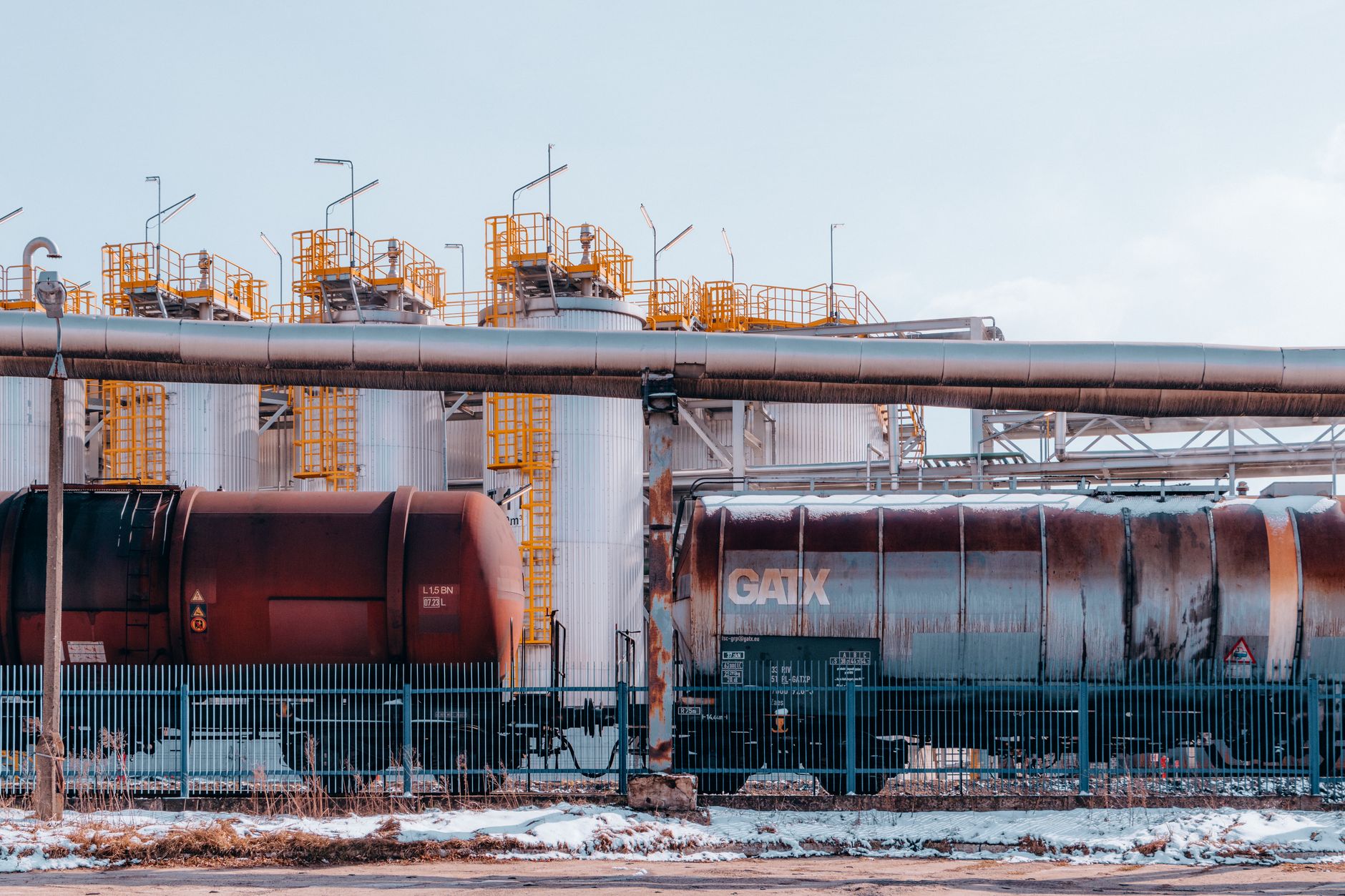
Terminal operators – the companies that actually own the tanks, pipelines, and loading equipment – have historically financed their facilities through long-term offtake arrangements with producers and agricultural cooperatives. But as capital has tightened and some operators have looked to recycle equity out of mature assets, a secondary market for those throughput positions has quietly developed. Hedge funds, particularly those running hybrid strategies that blend credit, infrastructure, and commodity exposure, have been the most active buyers. The deals are typically structured as assignments or participations in existing agreements rather than new contracts, which keeps transaction costs low and speeds up execution.
The contract terms that attract the most interest tend to share a few characteristics: minimum volume commitments from creditworthy counterparties, tariff escalators tied to inflation indices, and remaining tenors of seven years or more. Those features together produce a cash flow profile that looks remarkably bond-like, with the added optionality that ammonia demand is unlikely to soften given its role in global food production. This is a category of asset that endowments and institutions already building exposure to naphtha terminal leases will likely recognize as structurally similar in its fee mechanics and infrastructure logic.
The Green Ammonia Variable
What has accelerated hedge fund interest beyond the agricultural baseline is the developing consensus around green ammonia as a hydrogen transport medium. Producing hydrogen from renewable electricity and then converting it to ammonia for shipping – before cracking it back to hydrogen at the destination – is one of the few pathways that makes long-distance clean hydrogen trade physically feasible at scale. Japan, South Korea, and Germany have each signaled policy support for ammonia import infrastructure, and several large industrial buyers have begun signing preliminary supply agreements with green ammonia producers.
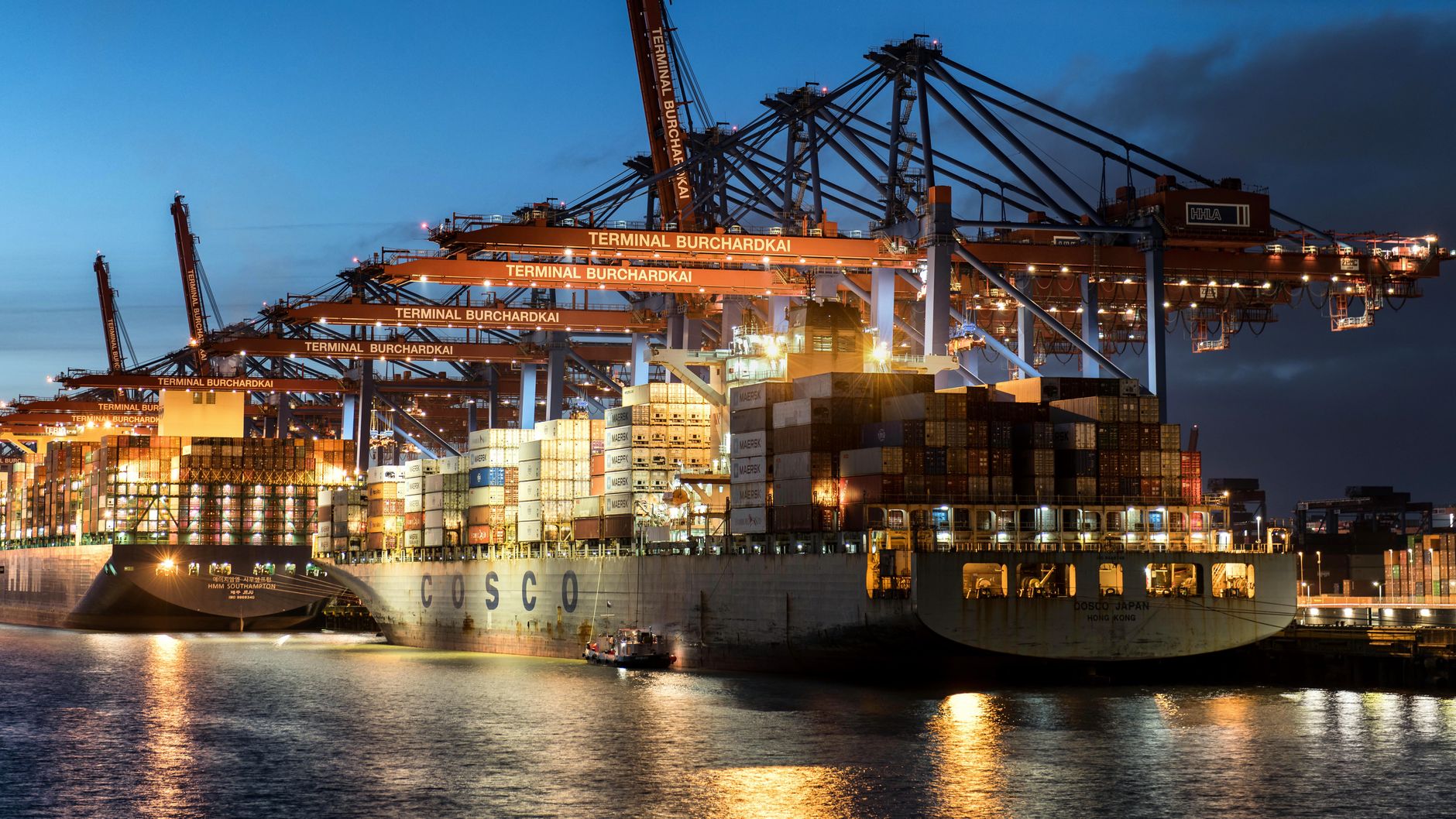
That pipeline of green ammonia trade has not materialized at scale yet, and that timing uncertainty is the central risk in the thesis. A fund holding throughput rights on a terminal that currently handles conventional ammonia is betting that the same infrastructure gets repurposed – or at minimum sees dramatically higher utilization – as green ammonia trade develops. Some terminals are better positioned for that transition than others. Deep-water access, proximity to renewable energy development zones, and existing rail and pipeline connectivity all factor into which facilities are likely to sit on the main arteries of future trade flows. Funds doing this properly are underwriting specific terminal locations, not the asset class in aggregate.
There is also a regulatory dimension that hedge funds are pricing carefully. Ammonia handling falls under a patchwork of federal and state environmental rules, and any expansion of terminal capacity to handle increased green ammonia volumes will require permitting that can take years. A throughput agreement on a terminal with limited expansion headroom is a different investment than one with room to grow. The funds that have done the most diligence are reportedly structuring their positions to capture upside if and when expansion permits clear – with economic rights that step up as throughput capacity increases.
What This Looks Like at the Portfolio Level
For most hedge funds, these positions represent a small percentage of total assets under management – often below two percent. But the combination of yield, inflation protection, and energy-transition optionality makes them unusually efficient from a risk-adjusted return standpoint. The uncorrelated nature of the cash flows is the primary selling point to fund investors: terminal throughput fees do not move with equity markets, and they have shown low sensitivity to short-term commodity price swings because the minimum volume commitments underpin the income regardless of spot market conditions.
The funds building these books are not, for the most part, commodity specialists. They tend to run broader real assets strategies or credit-oriented infrastructure mandates. That matters because it means the buyers are underwriting the contract quality and counterparty creditworthiness rather than making directional bets on ammonia prices. The sellers – in most cases, original producers or agricultural cooperatives that signed long-term terminal agreements and now want capital back for other purposes – are finding a receptive audience precisely because the buyers are not trying to trade around price volatility.
The deal sizes currently in circulation tend to range from the mid-eight-figures to the low nine-figures in notional value. That is large enough to matter to a hedge fund’s return profile but small enough to avoid drawing regulatory attention or competing with the infrastructure funds and pension vehicles that dominate large-ticket terminal acquisitions. It is a band of the market that has been structurally underloved, which is, historically, exactly where patient capital finds its best returns.
The harder question – and the one that will determine whether this trade plays out over five years or fifteen – is whether green ammonia trade actually scales fast enough to validate the optionality premium funds are paying into existing throughput positions. Several large-scale green ammonia projects in the Middle East and Australia have announced financing milestones, but the gap between announced capacity and first commercial shipment has consistently been wider than developers initially projected. A fund that bought throughput rights expecting green ammonia volumes to arrive by 2027 may find itself sitting on a very good conventional ammonia income stream for considerably longer than planned.