
The Quiet Trade Reshaping Petrochemical Finance
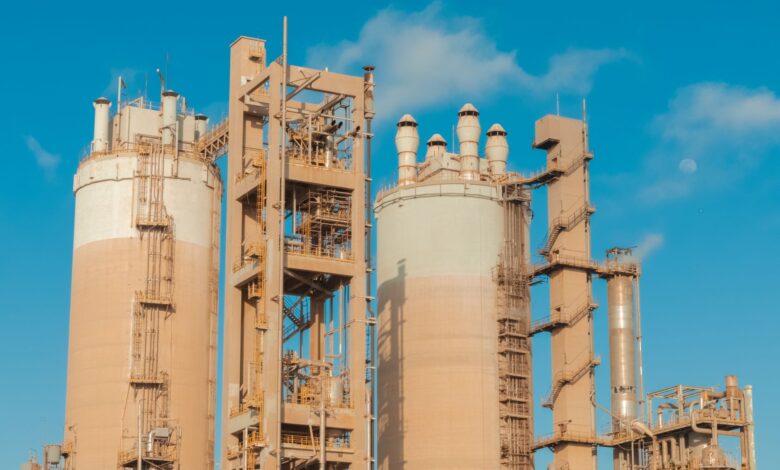
A growing number of hedge funds are acquiring offtake rights tied to ethylene crackers – the industrial facilities that convert hydrocarbons into ethylene, the foundational building block of plastics, antifreeze, and dozens of industrial chemicals. The positions are being built quietly, through bilateral agreements and structured credit vehicles, far from the visibility of public markets.
What Offtake Rights Actually Are – and Why They Matter
An offtake agreement is a contract that gives the holder the right – and often the obligation – to purchase a set volume of a facility’s output at a predetermined price or formula. In the context of ethylene crackers, these contracts can run 10 to 20 years and carry volume commitments measured in hundreds of thousands of metric tons annually. They are, in effect, long-dated revenue streams dressed up as supply contracts.
The appeal for hedge funds is structural. Ethylene crackers are among the most capital-intensive assets in the global chemical industry, and their operators frequently need to monetize future output to secure project financing or refinance existing debt. That creates a natural market for third-party capital willing to step in and acquire offtake positions in exchange for upfront liquidity. The fund gets a long-duration, commodity-linked cash flow; the operator gets capital without diluting equity or adding conventional debt to its balance sheet.
What makes ethylene particularly interesting as an underlying commodity is its position at the very beginning of the petrochemical value chain. Nearly every polymer – polyethylene, PVC, polystyrene – traces its origins to ethylene. Demand for the chemical correlates broadly with manufacturing activity, construction, and consumer goods production. That correlation makes ethylene offtake a kind of proxy for global industrial output, packaged inside a contract rather than a futures position.
The pricing mechanics vary. Some offtake agreements are fixed-price, locking in a spread relative to feedstock costs – typically naphtha or natural gas liquids. Others use floating formulas tied to published ethylene benchmarks, which means the fund’s returns fluctuate with market conditions but the volume commitment remains guaranteed. Funds are reportedly favoring the floating-price structures because they offer inflation protection without requiring the fund to bet on a specific price level.

The Strategic Logic Behind the Accumulation
The timing of this accumulation is not accidental. Ethylene cracker capacity expanded substantially over the past decade, particularly in the United States Gulf Coast as cheap shale gas made domestic production highly competitive. Many of those crackers came online between 2017 and 2022, backed by long-term offtake commitments from petrochemical majors. Now, as some of those original contracts approach the end of their first terms or face renegotiation, secondary market opportunities are opening up.
Hedge funds, particularly those running commodity or structured credit strategies, have recognized that these secondary offtake positions trade at a discount to their intrinsic value. The discount exists partly because the buyer universe is narrow – most institutional investors do not have the operational expertise to evaluate a cracker’s throughput capacity, feedstock cost structure, and maintenance schedule. Funds that build that expertise in-house can acquire positions that others cannot accurately price.
There is also a macro argument running underneath the trade. As energy transition policies push capital away from upstream oil and gas, petrochemical infrastructure has become relatively underfunded at the margin. Yet demand for ethylene derivatives is not declining on any near-term horizon. Plastic production globally continues to grow, particularly in Asia, and ethylene remains the input with no practical substitute at industrial scale. A fund holding offtake rights is effectively monetizing a structural supply-demand tension that policy conversations have not yet resolved.
The financing structures being used are themselves worth examining. Some funds are packaging offtake rights into special purpose vehicles and bringing in insurance capital or pension co-investors to share the long-duration risk. This mirrors strategies already used in naphtha terminal leases, where institutional capital has found ways to access commodity infrastructure through contract rights rather than direct asset ownership. The structural playbook is similar: isolate the cash flow, wrap it in a vehicle, and sell senior positions to yield-hungry capital.
Regulatory opacity is a significant factor here. Offtake contracts are private agreements, not reportable securities in most jurisdictions, and they do not trigger the same disclosure requirements as equity stakes or public debt positions. A fund can build a substantial portfolio of ethylene offtake rights without any public filing or notification requirement. That invisibility is, for many managers, a feature rather than a bug – it allows the position to be built before the broader market recognizes the trade.
The Risks That Are Not Being Talked About
The central risk in this strategy is counterparty quality. An offtake agreement is only as valuable as the operator’s ability to actually produce and deliver ethylene at the contracted volume. Cracker reliability is not guaranteed – these are complex facilities prone to unplanned shutdowns, and force majeure clauses can suspend delivery obligations in ways that are difficult to litigate across international jurisdictions. A fund holding offtake rights against a financially stressed operator in a declining margin environment faces a very different outcome than the contracts suggest on paper.
There is also the question of what happens when ethylene capacity becomes structurally oversupplied. The Gulf Coast buildout added significant tonnage to global markets, and Chinese domestic capacity expansion has been running at a pace that has pressured margins for independent crackers. A fund that acquired offtake at prices reflecting 2021 or 2022 margin expectations may find itself locked into economics that the current market does not support – particularly if the operator renegotiates or contests pricing terms, which happens more frequently than the contracts imply.
Frequently Asked Questions
What are ethylene cracker offtake rights?
They are contractual rights to purchase a set volume of ethylene output from a cracker facility at a predetermined price or formula, often spanning 10 to 20 years.
Why are hedge funds interested in ethylene offtake agreements?
These contracts offer long-duration, commodity-linked cash flows that trade at a discount due to a narrow buyer pool, giving specialized funds a pricing advantage over generalist investors.