
The Underground Trade Hedge Funds Don’t Want Discussed
Crude oil storage caverns – vast salt dome formations carved out hundreds of feet below ground across the Gulf Coast and Midwest – have quietly become a target asset class for hedge funds looking beyond conventional energy plays. These are not pipeline stakes or refinery positions. They are long-term leases on physical underground space, the kind of infrastructure that moves oil from the wellhead to the market without ever appearing in a standard equity screen. And right now, a growing number of hedge funds are building positions in them.
The mechanics are straightforward: a fund acquires a lease on an existing salt cavern facility, or secures rights to a portion of one, then collects storage fees from oil producers, traders, and refiners who need somewhere to park crude when markets are in contango – when future prices exceed spot prices, making it profitable to store oil today and sell it forward. The lease itself becomes an income-generating asset, one tied to physical commodity flows rather than to equity markets or interest rate cycles.
What makes this moment different is the convergence of several pressures pushing funds toward hard infrastructure.
Why Salt Caverns, Why Now
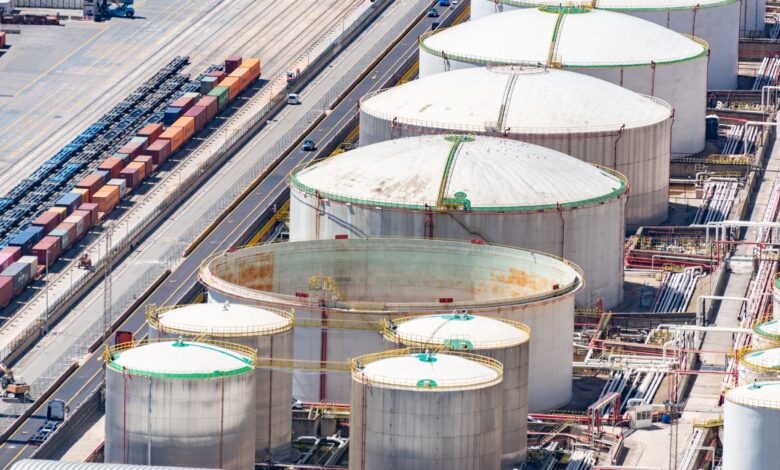
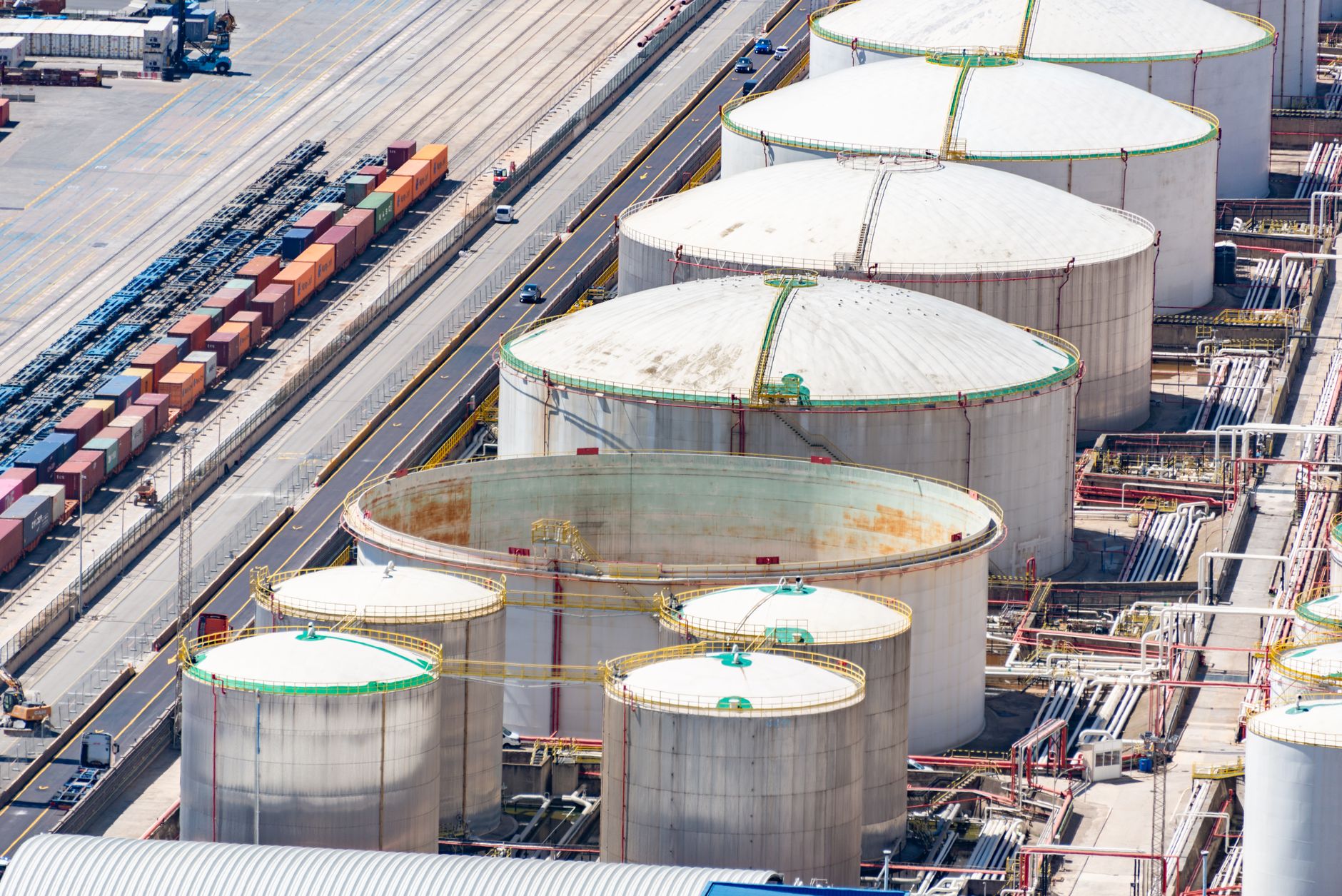
Salt cavern storage is not interchangeable with above-ground tank farms. Caverns can cycle oil in and out far faster than surface facilities, making them operationally superior during volatile markets. They sit below frost lines, below flood plains, and below most regulatory visibility thresholds that surface infrastructure must clear. When a refiner needs to move a million barrels on short notice, a cavern lease with favorable withdrawal terms is worth considerably more than a tank pad rental agreement that requires days of advance notice.
The scarcity element is real and structural. New salt cavern development requires geological surveys, solution-mining operations that can take years, environmental permitting, and injection infrastructure buildout. A functioning cavern with existing pipeline connections and proven capacity is not replaceable on a short timeline. Funds that understand physical commodity markets recognize this as a supply-constrained asset in a world where oil trade volumes are not going to zero anytime soon, regardless of energy transition timelines.
Contango positioning is the immediate catalyst. When oil futures markets slip into contango – a condition that has appeared repeatedly over the past three years during supply gluts and demand uncertainty – the spread between spot and forward prices can cover storage costs with margin to spare. A fund holding a lease during a contango period collects that spread as pure arbitrage, with the physical asset itself appreciating in value as competing storage capacity fills up. The strategy is old, but the institutional appetite for it is growing, partly because above-ground storage in key trading hubs has become increasingly expensive and politically visible.
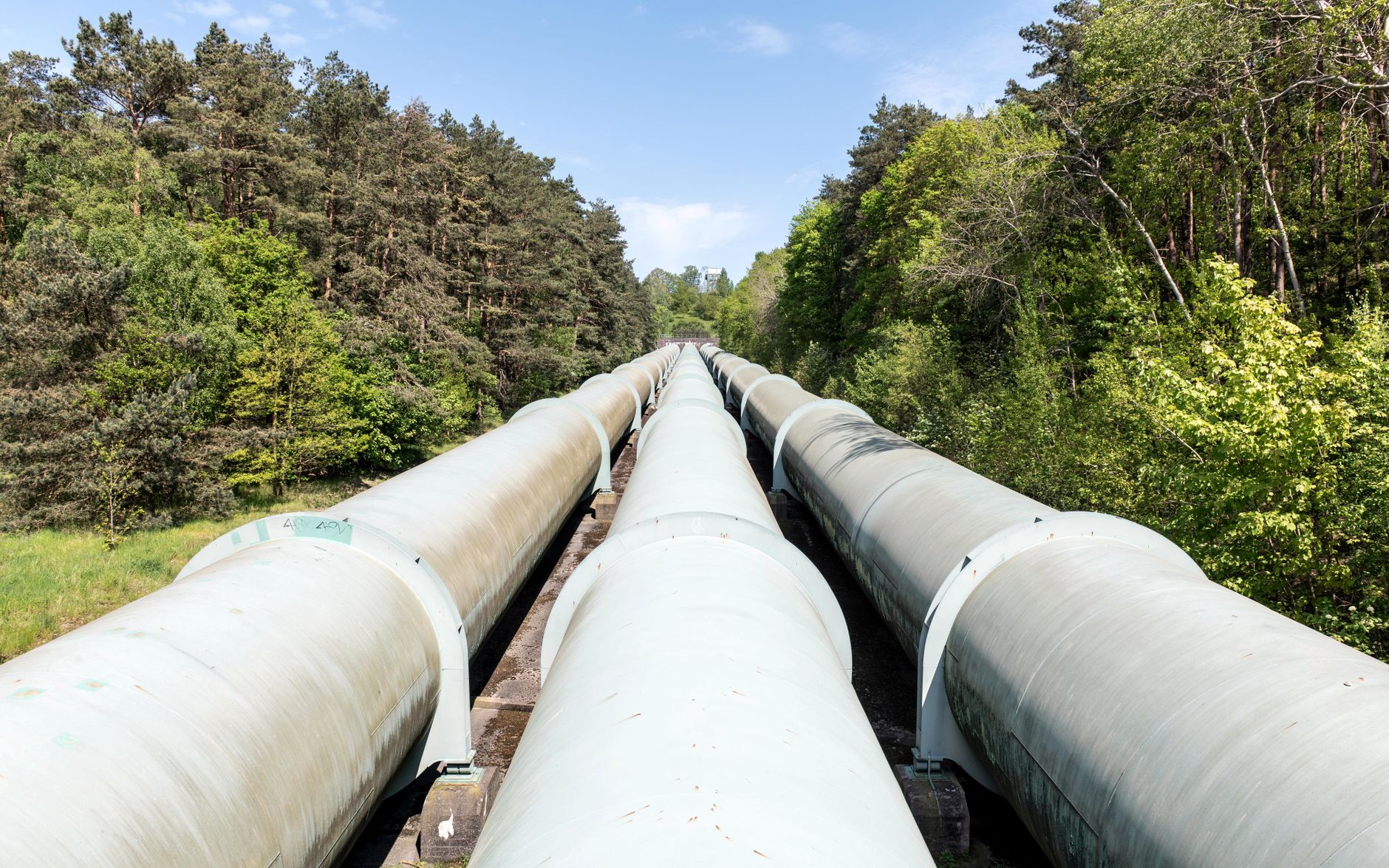
The Structure of These Deals
Hedge funds are not typically drilling their own caverns. The entry points are lease assignments, minority operating interests in existing facilities, and sale-leaseback structures where a current operator sells the underlying real property interest and leases it back over a 10-to-20-year term. These transactions close quietly, often structured through special purpose vehicles that do not require public disclosure unless the parent fund crosses certain reporting thresholds. The Strategic Petroleum Reserve’s cavern network along the Gulf Coast gives some sense of the scale involved – individual caverns can hold 10 million barrels or more, making even a partial lease interest a significant asset.
This pattern of institutional capital quietly entering niche physical infrastructure is not entirely new. Sovereign wealth funds have pursued similar logic in industrial rail car leases, acquiring the infrastructure layer of commodity supply chains rather than the commodities themselves. The crude cavern play follows the same thesis: own the pipe, not the oil; own the hole, not the barrel.
Deal terms typically include base rent tied to capacity plus variable fees based on throughput, creating a revenue structure with both fixed and commodity-correlated components. From a portfolio construction standpoint, that blended cash flow profile is attractive – it offers downside protection through the fixed floor while preserving upside exposure when oil markets tighten and storage demand spikes. Some structures also include options to expand capacity or acquire adjacent cavern rights if geological surveys confirm viable salt formations.
What Funds Are Not Saying Publicly
Hedge fund managers talking to their LPs about energy infrastructure rarely lead with salt caverns. The positions get disclosed inside broader “real assets” or “commodity infrastructure” allocations, language generic enough to avoid drawing attention from competitors or from operators who might otherwise resist selling lease rights to financial buyers. The opacity is strategic – once word spreads that a particular cavern operator is entertaining offers, competing bids materialize quickly, and prices move.
There is also a regulatory dimension that funds are navigating carefully. Physical commodity storage, unlike commodity derivatives, carries different CFTC oversight implications. Funds holding actual storage rights and receiving oil throughput fees operate in a gray zone between financial services regulation and energy infrastructure regulation, and that ambiguity has so far favored the buyers. Whether regulators will eventually draw clearer lines around institutional accumulation of physical energy storage assets is an open question that fund managers are watching closely.

The deeper tension in this trade is that it works best when oil markets are stressed – during supply gluts, demand shocks, or periods of extreme price volatility – which are exactly the conditions that create political pressure for intervention in energy infrastructure. A fund sitting on a filled cavern during a price spike, collecting premium storage fees while regional fuel prices climb, is going to draw a different kind of attention than one quietly collecting base rent during a stable market. That is the risk embedded in the strategy that no lease agreement can hedge away.
Frequently Asked Questions
Why are hedge funds interested in crude oil storage cavern leases?
Salt caverns offer scarce, operationally superior storage with fast cycling speeds, and during contango markets the spread between spot and forward oil prices can generate significant arbitrage returns.
How do hedge funds acquire positions in oil storage caverns?
Funds typically enter through lease assignments, minority operating interests, or sale-leaseback structures using special purpose vehicles, often without triggering public disclosure requirements.