
The Quiet Trade Reshaping Crude Oil Shipping Finance
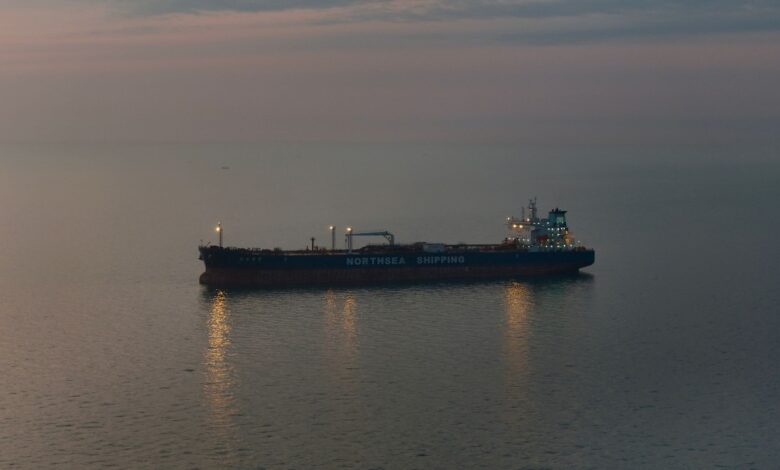
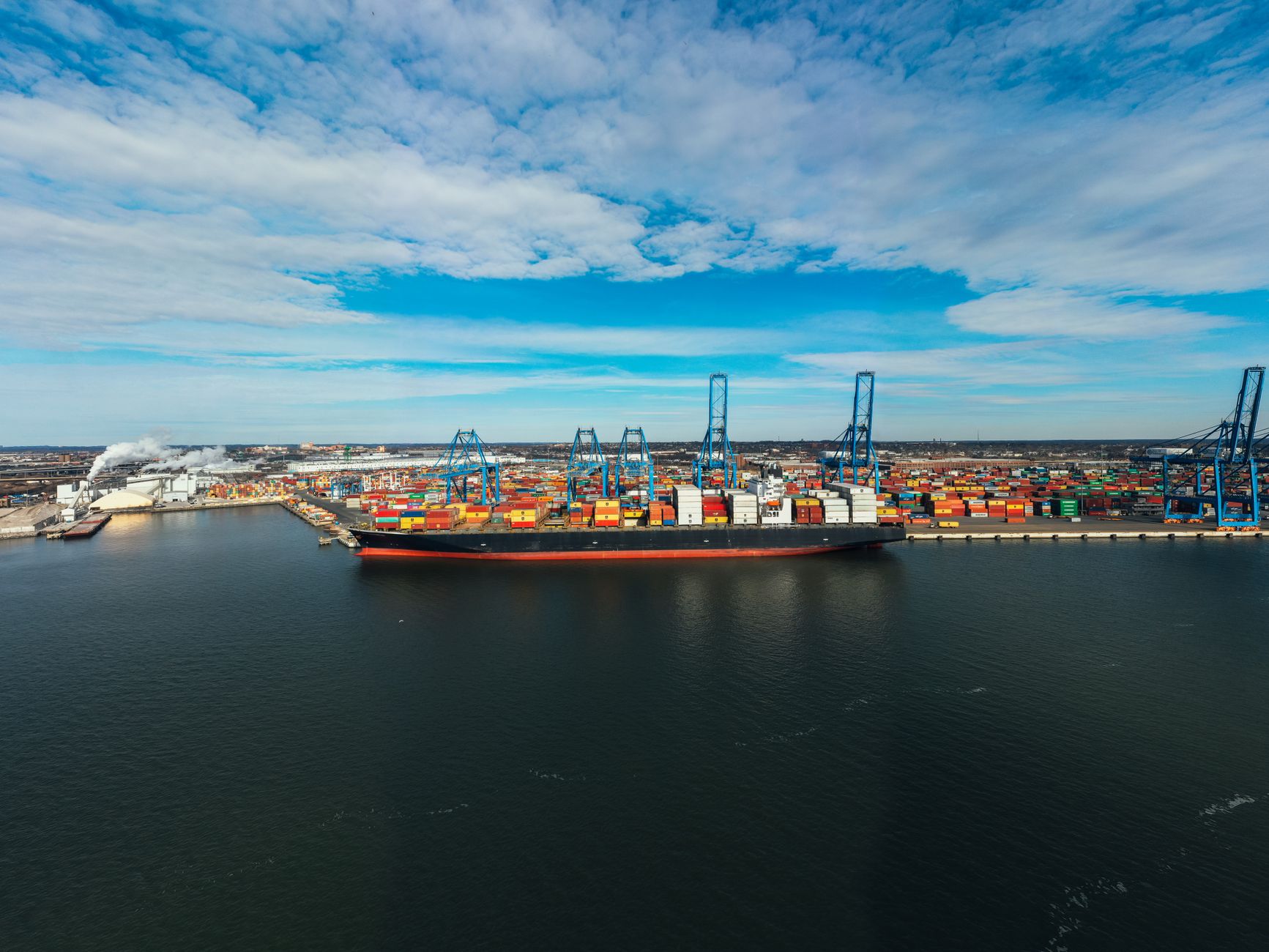
Time charters on crude oil tankers have long been the domain of major oil companies, national energy firms, and large commodity trading houses. These multi-year contracts, which lock in a vessel at a fixed daily rate for an agreed period, offer predictable cash flows and exposure to global oil movement without the capital burden of ship ownership. Now, a growing number of hedge funds are moving into this space, signing or financing time charters directly, or acquiring stakes in companies that hold them, treating tanker contracts less like shipping deals and more like fixed-income instruments with commodity upside.
The shift is quiet by design. Hedge funds rarely announce positions in physical shipping assets, and time charter contracts are not publicly disclosed in the same way equity holdings are. But the evidence surfaces in vessel fixture data, shipping broker reports, and the capitalization structures of mid-sized tanker operators who have begun taking on institutional partners at the contract level rather than the equity level. What is playing out is a gradual repricing of how sophisticated capital views maritime infrastructure – not as a volatile cyclical bet, but as a structured yield vehicle with embedded optionality.
Why Time Charters, and Why Now
A time charter is structurally distinct from buying tanker stocks or betting on spot freight rates. When a fund enters or finances a time charter, it is acquiring a contractual revenue stream – typically denominated in U.S. dollars per day – that runs for one to five years regardless of what the spot market does. The charterer pays that rate whether oil moves at $70 a barrel or $110. That contractual certainty is exactly what draws yield-seeking capital, particularly in an environment where traditional credit instruments have compressed or carry duration risk that funds are trying to reduce.
The setup is particularly appealing for funds running absolute return strategies. A three-year time charter on a Very Large Crude Carrier, or VLCC, at a rate well above operating cost generates a spread that functions like a bond coupon. If the fund is financing the charter rather than holding it directly – essentially providing credit to a smaller operator in exchange for a senior claim on charter cash flows – the risk profile narrows further. The fund earns a fixed return, the operator gets working capital without diluting equity, and the vessel continues trading normally. No one in the transaction has a strong incentive to publicize it.
Crude tanker markets have also produced conditions that make time charter entry points attractive. After the rate spikes of 2022 and early 2023, charter rates settled into a range that is elevated relative to pre-2020 averages but below the peaks that drew speculative attention. That middle band – where rates are high enough to generate real returns but not high enough to trigger a flood of new vessel orders – is where long-term charters become genuinely interesting to structured investors. New tanker deliveries take years from order to commission, meaning supply is relatively inelastic over the near term, which adds a floor to rate expectations.
Sanctions-related shipping disruptions have added another layer to the thesis. As Russian crude has been rerouted through longer trade lanes and certain vessel categories face restrictions on Western port access, ton-mile demand for compliant tankers has increased. A fund holding a clean time charter on a vessel with full Western insurance and flag compliance is essentially holding a premium asset in a market where premiums have real economic meaning. The geopolitical complexity that makes this trade uncomfortable for retail investors is precisely what creates the structural advantage for institutional capital that can assess and absorb that complexity.
How the Positions Are Being Built
The mechanics vary, but several approaches are circulating across the industry. Some funds are working through tanker leasing companies, providing capital that the lessor deploys into new charter agreements, with the fund receiving a preferred return structured around projected charter income. Others are taking direct stakes in special purpose vehicles that hold individual vessels under long-term charter, giving the fund a claim on cash flows without exposure to the operator’s broader balance sheet. A smaller group is reportedly moving into back-to-back charter structures, where the fund intermediates between a shipowner and a commodity trader, earning the spread between what it pays the owner and what the trader pays it.
This kind of activity mirrors what has happened in other physical infrastructure sectors where institutional capital has found ways to extract bond-like yields from hard assets. The accumulation of positions in pipeline easements followed a similar logic: find a contractual cash flow tied to physical infrastructure, structure around the asset rather than the operator, and hold for a defined period. Crude tanker charters fit the same template, with the added feature that the underlying asset – a working vessel – can be redeployed or sold if market conditions shift dramatically.
Risks That Do Not Show Up in the Term Sheet
The structured appeal of time charters does not eliminate risk; it displaces it. A fund holding or financing a charter still faces counterparty exposure to the charterer. If the entity obligated to pay the daily rate runs into financial trouble – a commodity trader caught on the wrong side of a price move, or an oil company restructuring under sanctions pressure – the fund may find itself in a vessel it did not intend to operate, or in litigation over a contract it cannot easily liquidate. Tanker disputes are resolved in admiralty courts or arbitration panels, in jurisdictions ranging from London to Singapore, and unwinding a position is rarely clean.
There is also the question of vessel condition and technical management. A fund that holds a financial interest in a charter is technically insulated from operational responsibility, but vessel performance directly affects whether the charter performs. A tanker that spends weeks in drydock or fails port state control inspections does not generate hire at the contracted rate. Funds that have not built out maritime technical expertise are dependent entirely on the operators they have chosen to partner with, and vetting that expertise is not a standard part of any fund’s due diligence process.
Insurance and regulatory compliance add another layer. The shift in insurance markets following the Russia sanctions introduced a two-tier system in global tanker operations. Vessels covered by International Group of P&I Clubs carry access to Western ports, banking, and cargo infrastructure. Vessels operating outside that system – sometimes called the shadow fleet – face increasing restrictions. A fund with exposure to charters across both categories is holding materially different risk profiles under what may look like similar contract structures. That distinction is not always visible at the term sheet level, and it can become very visible very fast when a vessel arrives at a terminal and is refused entry.
The appeal of the trade is real, and the structural logic holds up under scrutiny. But the more funds that move into this space, the more charter rates in the attractive middle band will reflect institutional capital competing for yield rather than pure supply-demand dynamics in shipping markets. At some point, the premium that makes the structured trade attractive gets arbitraged away, and what remains is a position in a physical asset with maritime-specific risks and no easy exit. Whether today’s entry points stay attractive long enough to justify the complexity is a question that each fund is currently answering for itself.