

The Quiet Accumulation of a Scarce Infrastructure Asset
Regasification terminal slots – the reserved capacity that allows LNG to be converted from liquid back to pipeline-ready gas – are not the kind of asset that generates headlines. They sit inside long-term contracts, buried in infrastructure agreements that rarely surface in public filings. That obscurity is precisely what makes them attractive to a specific category of hedge fund running energy infrastructure strategies, and a growing number of those funds have been quietly building positions in these slots over the past 18 months.
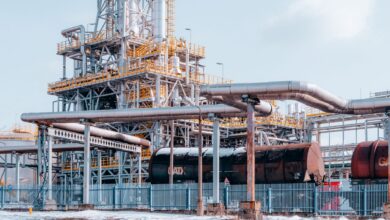
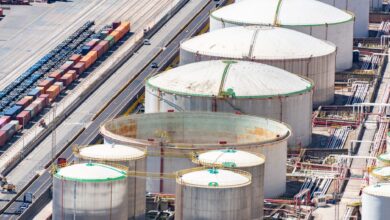
The mechanics are straightforward. A regasification terminal receives LNG tankers, stores the liquid, and converts it back into gas for distribution. The slots – specific windows of capacity reserved for a given shipper or trader – are finite. Terminals in Europe, particularly those that came online or expanded after 2022, are booked years in advance. A fund that controls a slot through a throughput agreement, or through equity in a vehicle that holds such an agreement, effectively owns a toll position on a bottleneck in the gas supply chain.
Scarcity creates pricing power.

Why Now, and Why These Funds
The entry point matters. European gas market volatility in 2022 and 2023 drove massive investment into floating storage and regasification units (FSRUs) and new onshore terminal capacity. By late 2024, some of that capacity had been contracted but the secondary market for those contracts – the ability to trade or assign slot agreements – had started to mature. Hedge funds, particularly those running commodities-focused or real assets strategies, spotted the window between initial contract signing and long-term operational stability as a place to acquire exposure at a discount to intrinsic value.
The funds involved are not the macro shops making directional bets on gas prices. The strategy here is closer to infrastructure arbitrage – buying contracted cash flows at a yield above what traditional infrastructure equity would offer, while accepting less liquidity. Some funds have structured the positions through special purpose vehicles holding minority stakes in terminal operating companies. Others have acquired the rights more directly through assignment clauses built into the original throughput agreements. The legal architecture varies, but the economic exposure is the same: a recurring fee tied to volume throughput through a fixed asset.
This is also consistent with a broader pattern of hedge funds moving into contracted energy infrastructure rights. The same logic that has driven fund interest in ammonia terminal throughput agreements applies here – physical bottlenecks with long-duration contracts generate predictable cash flows that are difficult to replicate in public markets.

The Risk Structure That Makes This Viable
Terminal slot agreements carry a different risk profile than commodity price exposure. The fee a slot holder earns is generally tied to capacity reservation, not to the spot price of gas. Whether LNG prices spike or collapse, the regasification fee flows as long as the counterparty – typically a major utility, national energy company, or large trading house – remains solvent and ships cargoes. This makes the credit quality of the offtaker the central underwriting question, not the direction of gas markets.
That separation from commodity price risk is what makes the strategy appealing to funds that want energy exposure without running a naked position on European TTF or US Henry Hub. The return profile looks more like a private credit instrument than a commodity trade. Yields on these positions reportedly sit in the high single digits to low double digits annually, depending on the terminal, the counterparty, and the remaining contract duration. That yield spread over infrastructure equity benchmarks is the primary driver of fund interest.
The key vulnerability is liquidity. These are not positions a fund can exit in a week. Secondary market trading of terminal slot agreements is thin, and assignment requires counterparty consent in most contract structures. Funds entering this space are typically committing three-to-seven year time horizons, which limits participation to vehicles with longer lock-up periods and patient capital bases – family offices, endowments, and certain institutional limited partners who have migrated toward alternatives in search of yield.
What Comes Next for Terminal Capacity Markets
The supply of available slots to acquire through secondary channels is not unlimited. As terminal contracts age and counterparties become more aware of the secondary market value embedded in their agreements, the arbitrage window narrows. Some terminal operators are already structuring new agreements with tighter assignment restrictions, specifically to prevent the kind of financial intermediation that hedge funds are now practicing. The easiest money in this trade has likely already been made by the earliest movers.
There is also a regulatory dimension that has not yet fully resolved. Several European energy regulators are examining whether financial entities holding infrastructure capacity rights – without being physical shippers – creates market distortions. If regulators in Germany, the Netherlands, or at the EU level move to restrict non-physical entities from holding terminal capacity, funds with existing positions would face forced restructuring or exit. That risk is real, if not yet acute.
Meanwhile, new terminal capacity coming online in the United States Gulf Coast – tied to LNG export rather than import – is generating its own secondary market in liquefaction slots, a mirror image of the regasification trade. Funds that built expertise and legal infrastructure acquiring European regasification positions are already looking at whether the same playbook applies on the export side, where capacity is similarly scarce and contracts similarly long.
The first fund to close a significant liquefaction slot position through a secondary assignment – rather than direct investment in a terminal project – will signal whether this market has matured enough to run the same trade on both ends of the LNG supply chain simultaneously.