Sovereign Wealth Funds Quietly Accumulate Stakes in LNG Bunkering Agreements

The Quiet Accumulation
Sovereign wealth funds are moving into LNG bunkering agreements with the kind of patience and discretion that characterizes their best long-term plays – and the energy shipping industry is starting to feel the weight of that capital.
Why LNG Bunkering Is Attracting State Capital
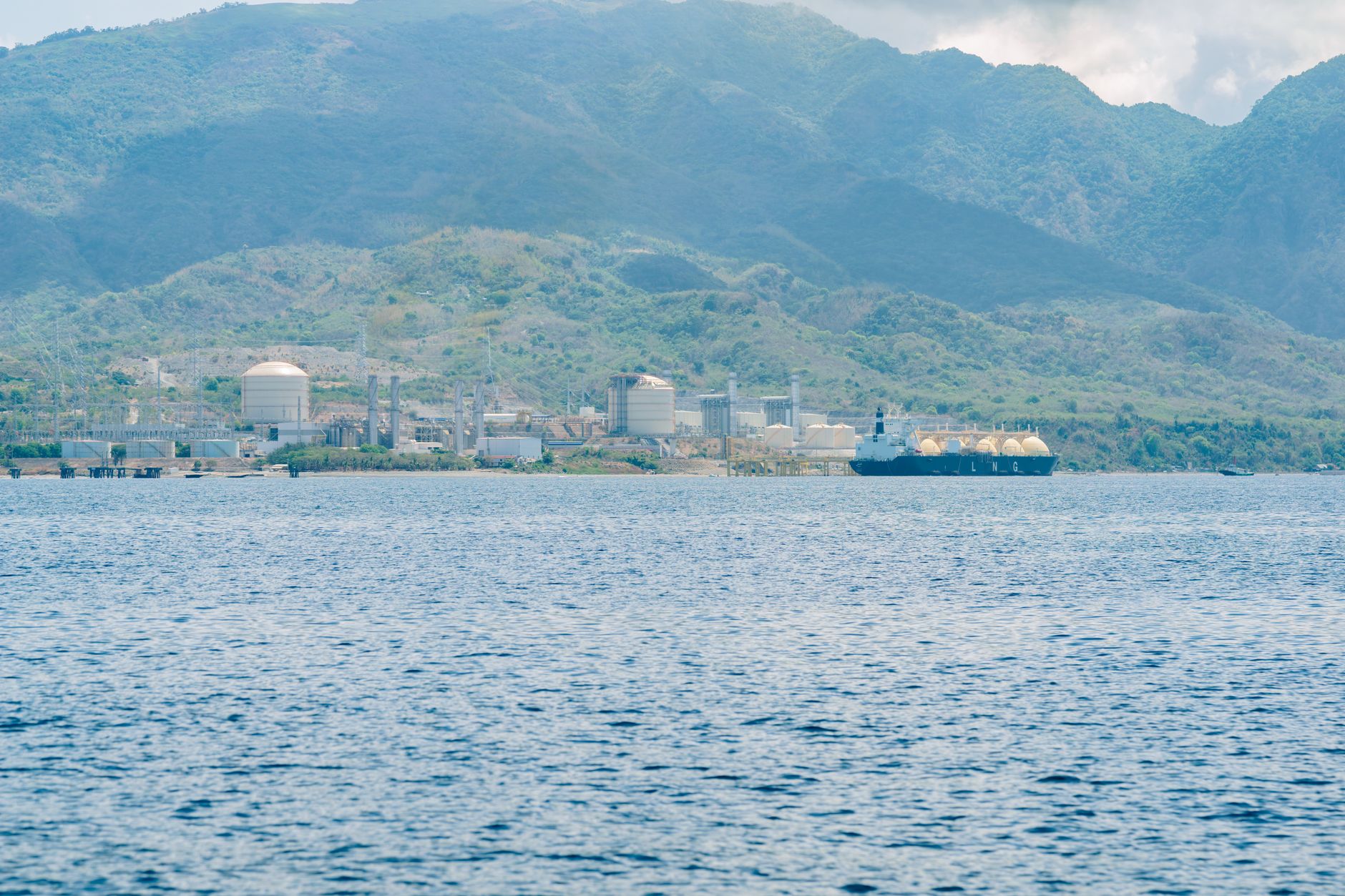
LNG bunkering – the process of fueling ships with liquefied natural gas rather than conventional marine fuel oil – has been a niche corner of the shipping world for years. That is changing fast. The International Maritime Organization’s tightening emissions regulations have pushed shipowners toward cleaner fuel alternatives, and LNG has become the most commercially viable option at scale. Bunkering agreements, which lock in fuel supply terms between suppliers and vessel operators over multi-year horizons, sit at the infrastructure layer of this shift. They are not glamorous assets, but they generate predictable cash flows, and that is precisely what sovereign wealth funds are designed to harvest.
The appeal is structural, not speculative. When a sovereign fund buys into a bunkering agreement or takes a stake in a terminal operator that holds such agreements, it is acquiring a toll-road position on global shipping traffic. Vessels need fuel. Ports are fixed locations. The contracts are long-dated. For funds managing inter-generational capital – the Gulf states, Singapore, Norway – that profile fits neatly alongside toll roads, airports, and regulated utilities in their infrastructure allocations.
Several Gulf-based sovereign vehicles have been particularly active, drawn by the geographic alignment between their existing LNG production assets and the downstream bunkering infrastructure. Owning a stake at both ends of the LNG supply chain – from liquefaction to the moment fuel enters a vessel’s tank – creates a vertically integrated position that pure financial investors simply cannot replicate. This is not a trade. It is an attempt to own the plumbing of a fuel transition that will take decades to complete.
The agreements themselves vary in structure. Some involve direct equity stakes in bunkering terminal operators. Others are structured as throughput rights, where the fund or its subsidiary guarantees a minimum volume of LNG delivered through a specific facility in exchange for priority access and contractual rate protections. A growing number involve co-investment alongside major energy companies that retain operational control while the sovereign fund supplies patient capital and, in some cases, diplomatic leverage in port negotiations.
The Deal Architecture Behind the Headlines
Most of these transactions never make front-page news because sovereign wealth funds are not required to disclose them in the same way that publicly listed companies are. Minority stakes in private bunkering infrastructure, purchased through holding structures in places like Luxembourg or the Cayman Islands, pass through the financial system with minimal visibility. What surfaces publicly are usually the larger platform acquisitions – a fund taking a notable position in a terminal operator’s parent company, or a disclosed co-investment in a new bunkering vessel construction program.
The deal architecture is intentionally layered. A sovereign fund might hold equity in a midstream logistics company that itself holds a portfolio of LNG supply agreements with shipping firms. The cash flows from those agreements – denominated in stable, often dollar-linked terms – flow upward through the structure. The fund is insulated from operational risk at the vessel and terminal level, but captures the margin that comes from controlling the contractual relationship between fuel supplier and ship operator. It is a structure that private equity has used in pipeline and utility assets for decades, now being applied to marine fuel infrastructure.
Singapore’s Temasek and Abu Dhabi’s ADIA have both made publicly disclosed moves into energy infrastructure that borders on this space, though neither has confirmed specific LNG bunkering agreement stakes. The more telling signal is the emergence of sovereign-backed special purpose vehicles as co-investors in new bunkering terminal development projects in Rotterdam, Singapore, and Busan – three of the world’s highest-traffic bunkering hubs. When state capital shows up at the ground floor of infrastructure development, it rarely arrives by accident. These funds have research arms that spend years mapping asset classes before a single dollar moves.
The financing structure also serves a strategic hedging function. Countries that are major LNG exporters – Qatar, Australia, the United States to a growing extent – have a direct interest in ensuring that LNG remains the preferred marine fuel rather than losing ground to ammonia, methanol, or hydrogen-based alternatives over the next two decades. Owning stakes in bunkering agreements is a way of anchoring demand. A fund connected to a producing nation that also holds long-term LNG bunkering contracts is effectively writing insurance on the continued relevance of its primary export commodity. That dual purpose – financial return plus strategic demand security – is what makes this asset class particularly attractive to state-backed capital rather than pure financial investors. It is worth comparing to how hedge funds have been positioning in ammonia terminal throughput agreements, where the strategic calculus is similar but the financial returns are structured very differently.
Shipping companies on the other side of these agreements have their own incentives to welcome sovereign capital. Long-term LNG supply certainty reduces the risk of fuel cost volatility, which is a significant operational concern for carriers running on thin margins. A bunkering partner backed by a sovereign fund carries implicit credit quality that a commercial energy trader cannot match. When fuel supply disruptions hit – as they did repeatedly during the 2021-2022 energy market turbulence – companies with sovereign-backed supply agreements reported fewer operational interruptions. That reliability premium is worth paying for, and it justifies the lower cost of capital that sovereign funds accept in exchange for access to these contracts.
The Risks No One Is Talking About
The quiet accumulation carries risk that is not immediately obvious from the deal terms. LNG bunkering infrastructure is built on assumptions about the pace of the maritime energy transition – assumptions that could be disrupted by accelerating regulation, competing fuel technologies, or a faster-than-expected shift in shipbuilding orders toward methanol or ammonia-capable vessels. Sovereign funds are betting that LNG holds its position as the dominant alternative marine fuel through at least 2040. If the IMO tightens its 2050 decarbonization targets significantly before that date, multi-decade bunkering agreements could become stranded commitments tied to a fuel that ports are actively trying to phase out. The contracts would still have to be honored, but the strategic rationale would erode.
There is also a concentration risk building in the bunkering infrastructure sector that few have flagged publicly. If sovereign wealth funds from a handful of producing nations accumulate dominant positions in the key bunkering hubs – Rotterdam, Singapore, Fujairah – a significant portion of global marine fuel supply chain control effectively shifts to state actors. Antitrust frameworks in the European Union and Singapore are designed to police competitive markets, but they are not well calibrated to evaluate strategic accumulation by sovereign entities operating across multiple jurisdictions under opacity-friendly holding structures. Port authorities and national energy regulators are aware of this dynamic. How they respond will determine whether this quiet accumulation continues unchallenged, or whether the next decade brings a harder look at who actually controls the fuel that keeps global trade moving.