The Quiet Accumulation
Hedge funds are acquiring leases on underground natural gas storage caverns – salt domes, depleted reservoirs, and aquifer formations across the Gulf Coast and Appalachian basin – and doing so with very little public attention.
Why Storage Infrastructure, Why Now
Natural gas storage has never been glamorous. It sits between extraction and delivery, a logistical buffer that most investors have historically left to pipeline operators and regulated utilities. But the economics of that buffer have changed considerably. Europe’s scramble for LNG supplies following the 2022 energy crisis exposed how thin global storage margins actually are. When storage capacity tightens, the spread between spot prices and futures contracts – what traders call the “storage value” – widens dramatically, and whoever controls the physical capacity collects that spread.
Hedge funds, particularly those with commodity-focused mandates, have taken notice. The play is not about betting on natural gas prices going up or down. It is about owning the physical infrastructure that allows traders to arbitrage seasonal price differences. Buy gas cheap in summer, inject it into a storage cavern you control, sell it forward at winter prices. The lease on the cavern is the asset that makes the trade possible – and those leases are finite, geographically constrained, and increasingly difficult to replicate. You cannot simply build a new salt dome.
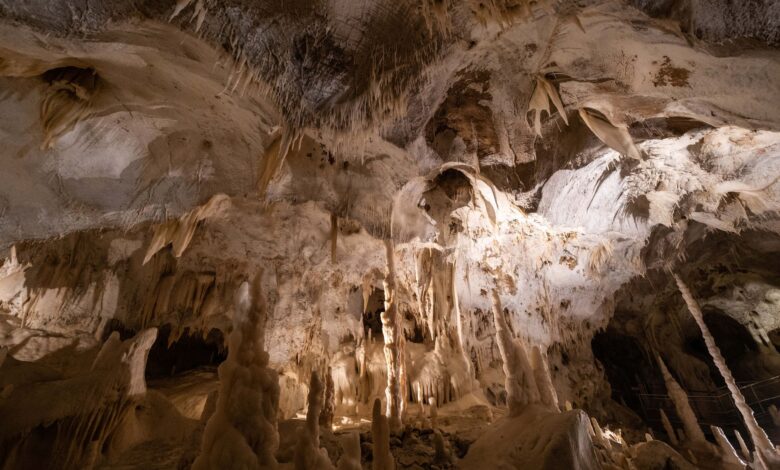
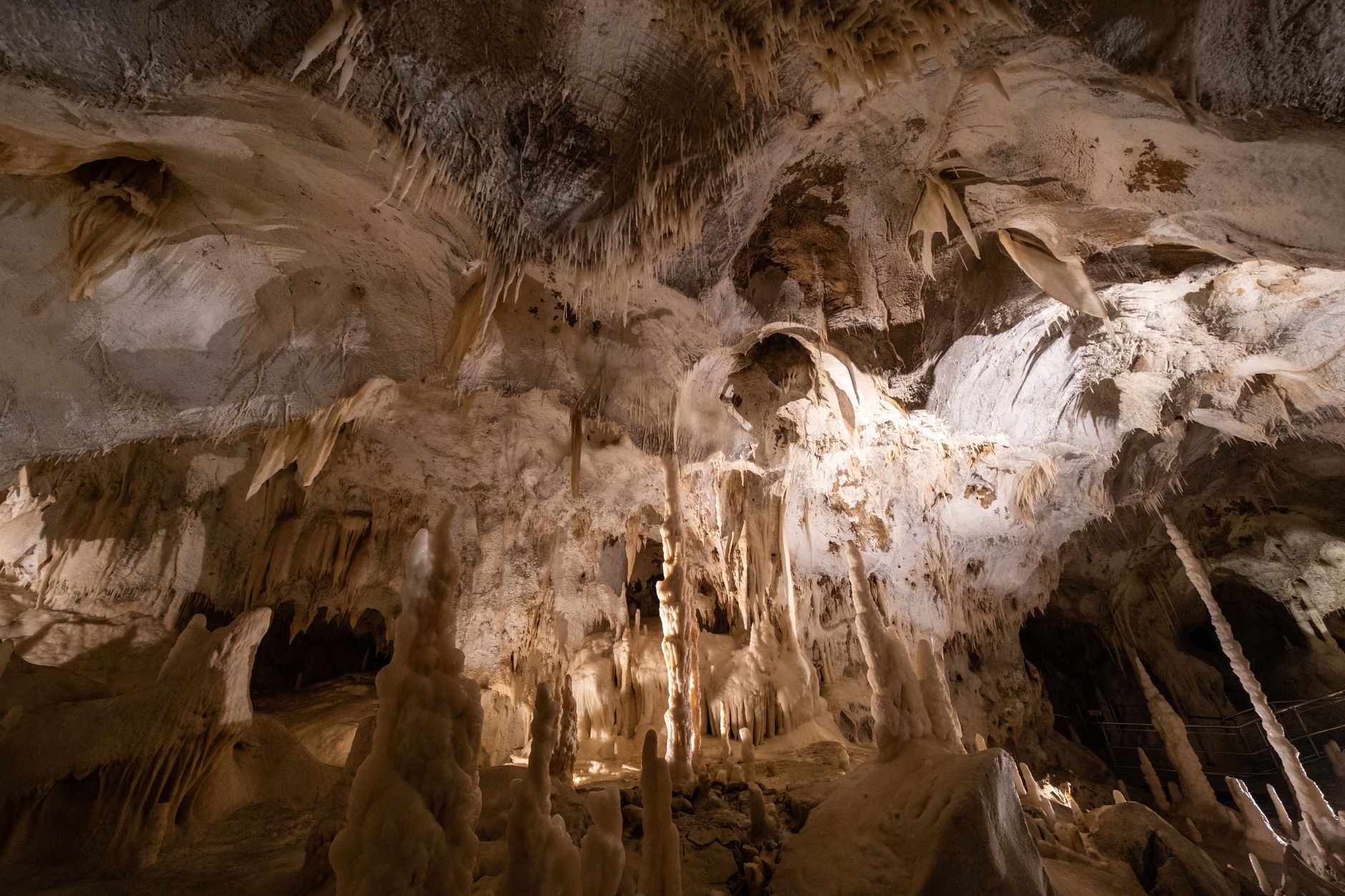
The geology locks in the competitive advantage. Salt cavern storage – which accounts for a disproportionate share of high-deliverability storage in the U.S. – requires specific subsurface formations found in limited regions. The Gulf Coast states hold the densest concentration. Depleted gas fields in Appalachia and the Midcontinent offer lower deliverability but significant working gas capacity. Both types are subject to permitting processes that take years, which means existing leases carry a scarcity premium that new development cannot easily erode.
The regulatory environment adds another layer of value. Federal Energy Regulatory Commission oversight of interstate storage means that capacity can be leased to third parties under tariff structures that provide predictable cash flows. Some hedge funds are structuring their positions not as speculative bets but as yield-generating assets – leasing storage capacity to utilities and trading firms that need it for operational hedging. That fee income, combined with the optionality to run proprietary arbitrage strategies when spreads are favorable, creates a dual revenue stream that pure financial instruments cannot replicate. This approach has some overlap with how sovereign wealth funds have been approaching LNG bunkering berth leases – acquiring physical energy infrastructure for its fee income rather than its commodity exposure.

The Mechanics of the Trade
Actually acquiring a storage cavern lease is not like buying a stock. The process involves negotiating directly with mineral rights holders, pipeline operators, or in some cases state energy agencies that manage public lands with subsurface storage potential. Some hedge funds have brought in former pipeline executives and reservoir engineers specifically to evaluate cavern geology and existing wellbore infrastructure before signing long-term lease agreements.
The lease structures themselves vary considerably. Some funds are targeting operating leases on already-developed caverns with existing injection and withdrawal equipment in place. Others are taking long-dated ground leases on undeveloped formations, accepting the capital expenditure required to bring the cavern online in exchange for lower upfront costs and more favorable terms. The latter approach requires patient capital – something traditional hedge fund structures are not known for – which has pushed some managers toward longer lock-up periods or co-investment structures with family offices and smaller institutional allocators who want commodity infrastructure exposure without running a dedicated energy fund.
Financing these positions has required creativity. Storage leases do not fit neatly into standard credit facilities. Some funds have used the contracted cash flows from third-party capacity agreements as collateral for asset-backed lending, effectively turning the lease stream into something closer to an infrastructure bond. Others have partnered with midstream companies that already have relationships with regional lenders familiar with energy asset valuations. The deal structures are bespoke by necessity.
Price dynamics in the natural gas market have made the timing feel urgent. Henry Hub volatility has increased, and the growth of LNG export capacity in the U.S. has made domestic storage patterns less predictable than they were a decade ago. When LNG export demand pulls gas toward the Gulf Coast terminals, storage levels in consuming regions can drop faster than models anticipate, creating sharp localized price spikes. A fund that controls storage caverns near key demand centers – New England, the Mid-Atlantic, or the industrial Midwest – can capture those spikes in ways that pure financial derivatives cannot fully approximate.
There is also a power sector angle that funds are factoring in. As coal retires and natural gas picks up more load-following responsibility on grids that are adding intermittent wind and solar, the call on gas-fired generation has become less predictable and more peaky. That peakiness increases the value of high-deliverability storage – specifically salt caverns that can inject and withdraw gas at rates measured in billions of cubic feet per day rather than the slower rates typical of depleted reservoir storage. Owning capacity in that category is a direct play on the increased operational complexity of the modern power grid.
What Could Go Wrong
The risk factors are real. Methane emissions regulations are tightening at both the federal and state level, and storage caverns are not exempt. Any facility with detectable leakage could face operational restrictions or mandatory retrofits that compress margins. Environmental permitting for cavern expansions or new well completions has also grown more contentious in some states, which limits the ability to scale a position even when economics would otherwise support it.

Longer term, the trajectory of natural gas demand itself is the central uncertainty. Aggressive decarbonization scenarios project significant gas demand reduction after 2035, which would erode the storage value that makes these leases attractive. Funds with 10- or 15-year lease terms are implicitly making a bet that the energy transition moves slowly enough – and that LNG export growth remains strong enough – to justify the infrastructure investment. That bet is not unreasonable given current policy realities, but it is a bet nonetheless, and the cavern will not move if the market moves against it.
Frequently Asked Questions
Why are hedge funds interested in natural gas storage cavern leases?
Storage cavern leases allow funds to capture seasonal price spreads between summer and winter natural gas prices, while also generating fee income by leasing capacity to utilities and trading firms.
What types of storage formations are hedge funds targeting?
Funds are primarily targeting salt cavern storage along the Gulf Coast for its high deliverability, as well as depleted reservoir formations in Appalachia and the Midcontinent for their larger working gas capacity.