
The Quiet Accumulation
Produced water – the brine-heavy byproduct that flows out of oil and gas wells at volumes that dwarf actual hydrocarbon production – has become the unlikely centerpiece of a niche financial strategy that a growing number of hedge funds are quietly assembling into serious portfolio positions.
Why Royalty Streams, and Why Now
The basic mechanics work like this: when an operator drills a well, produced water comes up with the oil and gas, often at ratios of five to ten barrels of water per barrel of oil. That water has to go somewhere – either disposed of through injection wells or, increasingly, treated and recycled for reuse in fracking operations. Someone owns the infrastructure that handles it, and someone collects a fee every time a barrel passes through. That fee-based, volume-driven income is what hedge funds are now buying rights to.
Royalty structures in the produced water space are still relatively young compared to mineral royalties on oil and gas production itself. That novelty is precisely the attraction. Early-stage royalty markets tend to be illiquid, mispriced, and accessible only to buyers with the patience and capital to acquire assets directly from operators, midstream companies, or landowners who hold surface rights over disposal infrastructure. Hedge funds with dedicated energy desks are uniquely positioned to do exactly that kind of ground-level deal sourcing.
The regulatory backdrop is also pushing volume higher. Several major producing states, including Texas and New Mexico, have introduced or are actively discussing stricter limits on underground injection disposal – the primary method for getting rid of produced water for decades. When disposal gets more expensive or restricted, treatment and transfer infrastructure becomes more valuable, and the royalty streams attached to that infrastructure move up in lockstep. Funds building positions now are betting that regulatory pressure only tightens from here.
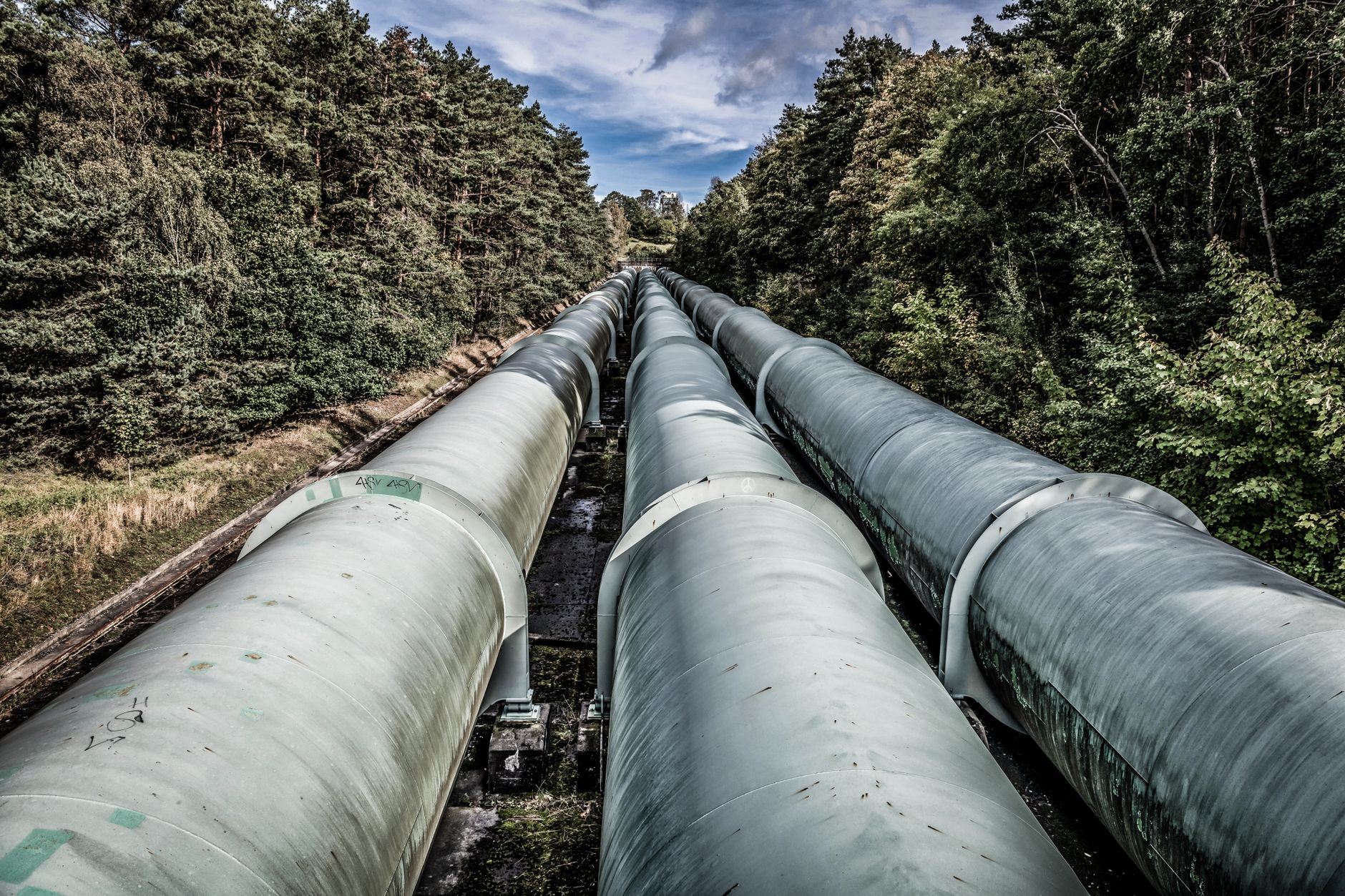
There is also the seismicity issue. Injection wells have been linked to induced earthquakes in Oklahoma, Kansas, and parts of the Permian Basin, creating both regulatory and liability exposure for operators who rely heavily on disposal. That pressure has accelerated investment in produced water treatment and transfer pipelines, and those pipelines need contracted counterparties – exactly the kind of long-duration, fee-based structure that royalty investors prize. This dynamic is structurally similar to what drove early hedge fund interest in barge terminal ground leases, where regulatory and infrastructure bottlenecks created persistent, predictable cash flows.

The Structure of the Trade
Hedge funds entering this space are not buying equity in water treatment companies or taking operational risk on disposal facilities. The appeal of the royalty structure is specifically that it sits above all of that. A royalty holder receives a payment per barrel of produced water handled, regardless of whether the operator is profitable, regardless of commodity prices in any given quarter, and regardless of whether the underlying infrastructure is owned or leased. The cash flow is contractual, it is tied to production volumes rather than margins, and it tends to run for the life of the well or the field – often measured in decades.
That duration profile is particularly valuable in a rate environment where long-duration real assets with inflation-sensitive revenue have become structurally attractive to capital allocators. Produced water volumes tend to increase over the life of an oil well even as hydrocarbon output declines – a well that produces 500 barrels of oil per day in its first year might produce 200 barrels by year five, but the water cut often runs in the opposite direction. That means royalty income can actually grow as the well matures, which is a rare characteristic in any income-producing asset.
Funds are accessing these positions through several channels. Some are buying directly from landowners who hold surface rights and have negotiated water handling agreements with operators. Others are purchasing royalty interests from midstream operators looking to monetize long-term contracts without selling the physical infrastructure. A smaller number are participating in structured vehicles that pool multiple royalty streams across basins – the Permian, the DJ Basin, the Bakken – to offer diversification across geography and operator quality.
Counterparty quality matters considerably in this trade. A royalty stream attached to a well operated by a financially stressed independent carries different risk than one tied to a major with decades of production runway. Funds with more sophisticated due diligence capabilities are distinguishing between these profiles aggressively, which is part of why this remains a relatively closed market – it is not accessible through a Bloomberg terminal or a public exchange, and the information required to underwrite it is not standardized or publicly available.
Pricing has not yet converged to efficient levels. Because the asset class lacks a public benchmark, bid-ask spreads on royalty stream acquisitions remain wide, and sellers frequently undervalue long-duration streams simply because they lack comparables. That mispricing is the primary source of returns for early movers, and it will compress as more capital enters the space and transaction volume creates a price discovery mechanism.
What Could Disrupt the Trade
The risks are real, even if the thesis is coherent. A rapid shift in completion technology that reduces water production per well would shrink the volume base on which royalties are calculated. Some research into “dry” fracking methods – using gases rather than water-intensive slickwater fracturing – has been ongoing for years, though field adoption remains limited. More immediately, a sustained downturn in drilling activity in key basins would reduce new well completions and slow the growth of royalty-generating infrastructure, leaving funds holding positions that throw off income but don’t appreciate.
There is also the question of what happens when water reuse becomes economically mandatory rather than optional. If regulators move to require operators to recycle produced water rather than dispose of it, the infrastructure economics shift, the parties with pricing power change, and royalty structures negotiated around disposal volumes could become partially obsolete. Funds holding positions in disposal-linked royalties would face renegotiation risk that they cannot hedge cleanly. That unresolved tension – between disposal infrastructure and treatment infrastructure – is where the smarter capital is already making quiet, careful distinctions.