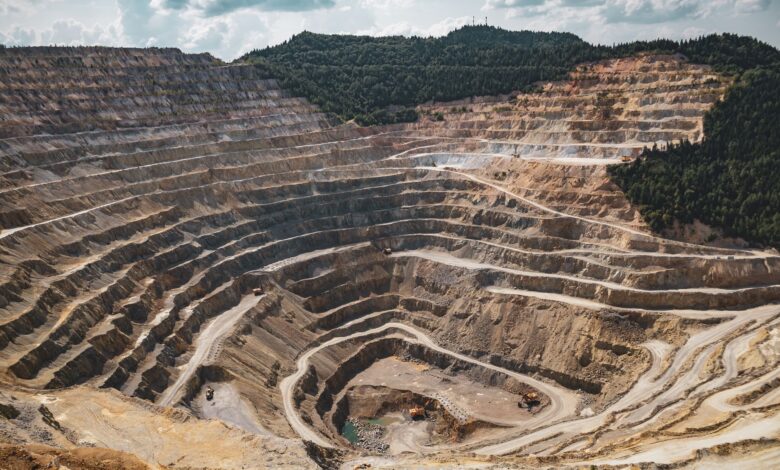
Royalties Over Rigs: Why Hedge Funds Are Rethinking Uranium Exposure
Uranium royalty companies occupy a strange and profitable corner of the commodities world – they collect a percentage of revenue or production from mining operations without ever touching a drill or managing a workforce. That model, long popular in gold and silver, is now drawing serious capital from hedge funds positioning ahead of what many in the nuclear industry consider an imminent supply crunch.
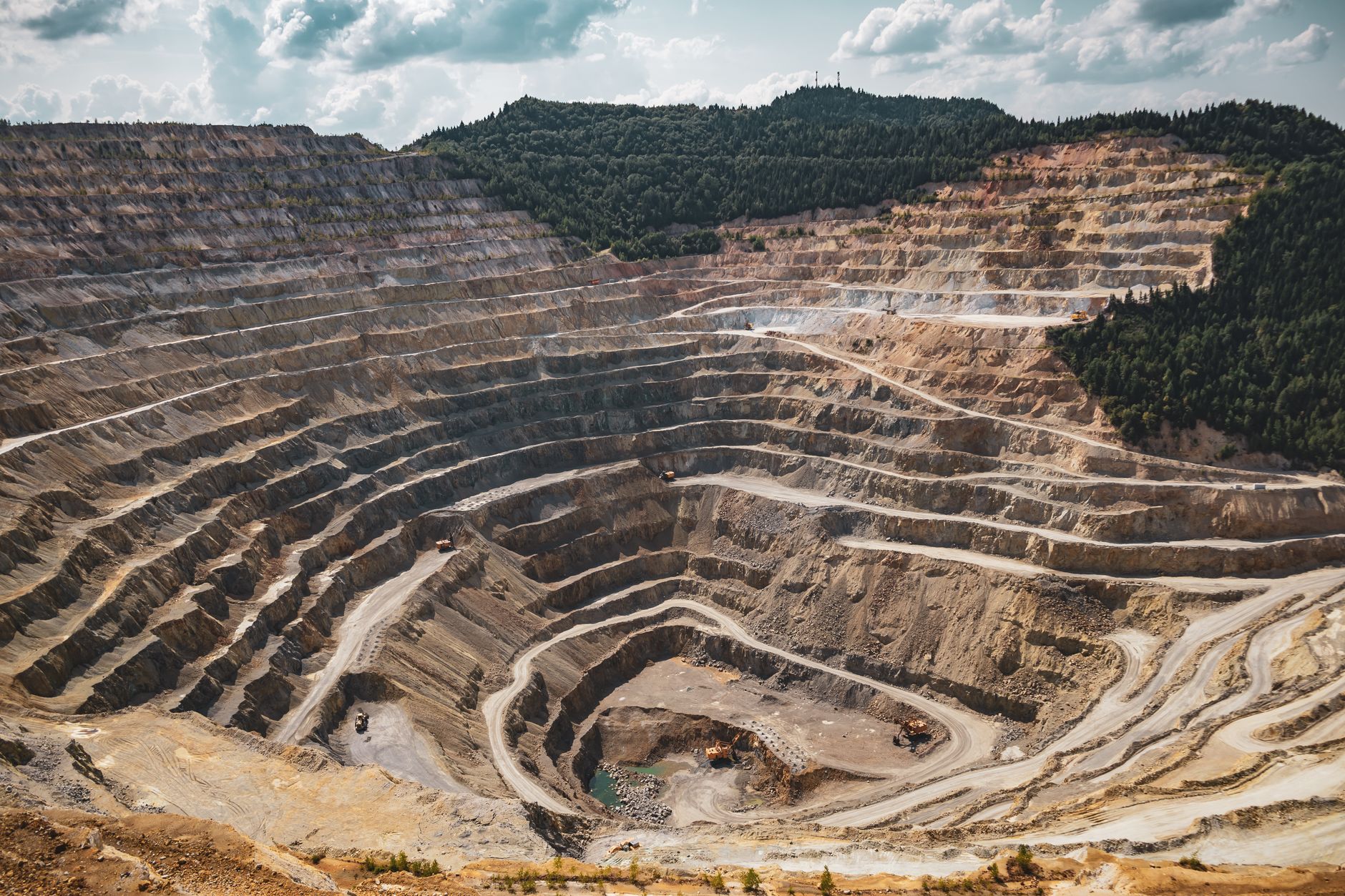
The Royalty Model and Why It Works for Uranium
A royalty stream is essentially a toll road built over someone else’s mine. The royalty holder provides upfront financing to a uranium developer, and in exchange receives a fixed percentage of production or revenue for the life of the asset. The operator handles all the costs – labor, equipment, permitting, remediation – while the royalty holder collects without exposure to operating cost inflation. In a commodity as volatile and politically sensitive as uranium, that separation of financial risk from operational risk is not a minor detail.
Uranium mining is notoriously capital-intensive and slow. A new mine can take a decade from discovery to first production, and the regulatory environment around radioactive materials adds layers of complexity that most hard-rock mining projects never face. That timeline creates a natural financing gap, and royalty companies step into it. They offer developers cash today in exchange for long-dated revenue claims – a trade that suits both sides when uranium prices are rising and developers are eager to lock in funding before a price cycle peaks.
The nuclear fuel supply chain is also unusually concentrated. A handful of countries – Kazakhstan, Canada, and Namibia – dominate global output, and geopolitical pressure on those supply routes has sharpened attention on Western-hemisphere production assets. Royalty companies with positions across multiple jurisdictions offer a form of geographic diversification that direct mine equity rarely provides. A fund holding royalties across Canadian Athabasca Basin projects and emerging deposits in the American Southwest is less exposed to any single political disruption than one betting on a single operator.
Hedge funds are drawn to this structure for a specific reason beyond the risk profile: royalty companies tend to carry operating leverage to the uranium spot price without the dilution risk common in junior mining equity. When uranium moves from $60 to $90 per pound, a royalty holder’s revenue climbs roughly in proportion, while a miner’s net income is squeezed by whatever cost increases tracked that same price rally. That asymmetry is exactly what a fund running a macro uranium thesis wants to own.
Nuclear’s Demand Surge and the Fuel Gap It Creates
The policy backdrop driving this trade has sharpened considerably over the past two years. Several European nations that had scheduled reactor closures have reversed course, and the United States has made extending the life of existing nuclear plants a formal energy security priority. Meanwhile, a wave of new reactor construction in Asia – particularly in China and South Korea – is adding to long-term demand projections that most uranium market forecasters consider conservative by historical standards.
Small modular reactors add another layer to the demand picture. These compact designs, several of which are moving through regulatory approval in the U.S. and Canada, are expected to require enriched uranium fuel in configurations different from conventional light-water reactors. The supply infrastructure for that specialized fuel barely exists yet, which means the broader uranium supply chain is being asked to scale in multiple directions simultaneously. Royalty positions on production assets near existing enrichment and conversion facilities carry extra strategic value in that context.
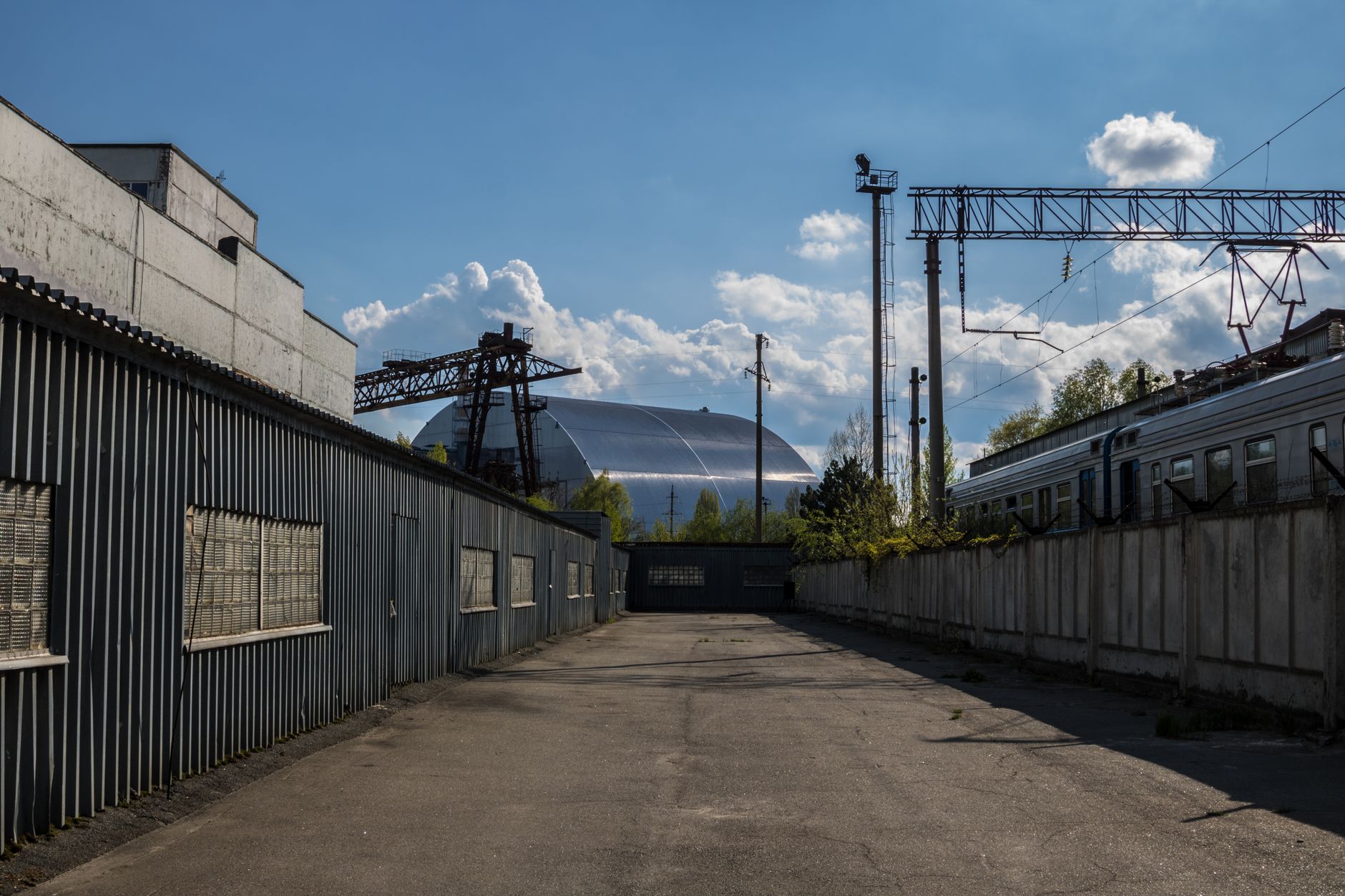
Supply, meanwhile, has not kept pace. The extended period of low uranium prices following the Fukushima disaster in 2011 triggered widespread mine closures and a near-complete halt to new project development. Restarting idled mines is expensive and slow – some assets require years of dewatering and infrastructure rehabilitation before they can produce a pound of yellowcake. The gap between what existing mines can supply and what reactors will need over the next decade is real, and it is not a gap that can be closed quickly regardless of price signals.
This is the core thesis hedge funds are buying into: not just that uranium prices will rise, but that the supply response to higher prices will be structurally delayed. Royalty companies benefit from that delay twice – first because their existing royalties appreciate with the spot price, and second because developers hungry for capital will accept more favorable royalty terms during the financing phase, locking in high-quality streams at attractive rates before the market fully reprices.
There is also a financial structure argument that goes beyond the commodity cycle. Royalty companies in the uranium space are beginning to attract attention from funds that have historically focused on illiquid real asset strategies, given the long-dated, contractual nature of royalty cash flows. A 20-year royalty on a producing uranium mine looks, in cash flow terms, more like a toll road concession than a mining stock – predictable, inflation-linked, and difficult to replicate.
Concentration Risk and the Limits of the Thesis
The royalty model is not without vulnerabilities. The universe of publicly traded uranium royalty companies is small, which means funds building meaningful positions are inevitably concentrating in a thin market. Liquidity can evaporate quickly during a broad commodities selloff, and the bid-ask spreads on smaller royalty company shares can widen to punishing levels in a risk-off environment. A fund that built a large position during a quiet accumulation phase may find it difficult to exit at anything close to fair value if the uranium narrative reverses suddenly.

There is also the question of counterparty risk at the operator level. A royalty is only as valuable as the mine it sits on, and uranium mines are not immune to operational failures, permitting delays, or the financial distress of the developer. Some royalty agreements include provisions that allow the operator to defer or reduce payments under defined circumstances – clauses that were largely theoretical during periods of high uranium prices but that matter considerably if the spot market weakens. Funds entering this space late in a price rally are buying streams that were priced for an optimistic scenario, and the margin for error shrinks accordingly.
Frequently Asked Questions
What is a uranium royalty stream?
A uranium royalty stream is a contractual right to receive a percentage of production or revenue from a uranium mine, granted in exchange for upfront financing provided to the mine developer.
Why are hedge funds interested in uranium royalties instead of mining stocks?
Royalty companies offer exposure to uranium price appreciation without the operating cost risk or dilution common in mining equity, making them more efficient vehicles for a macro uranium thesis.