

The Quiet Accumulation
University endowments and large nonprofit foundations have spent the last several years building meaningful stakes in toll bridge concessions – the long-term operating agreements that give private holders the right to collect revenue from publicly used crossings. These aren’t splashy acquisitions announced at investor conferences. The positions accumulate quietly, through infrastructure fund vehicles, co-investment side pockets, and direct partnership stakes that rarely generate headlines until they’re already substantial.
The appeal is straightforward: toll bridges generate daily, non-discretionary cash flows from captive user bases. Drivers crossing the Bay Bridge at rush hour aren’t comparison shopping. That captive demand, locked in by geography and urban development patterns, creates an income stream that behaves less like a financial asset and more like a utility – predictable, inflation-linked through rate escalators, and largely indifferent to stock market volatility.

Why Infrastructure Allocations Are Shifting
Endowments have long held infrastructure as a portfolio allocation category, but for most of the past two decades that meant exposure through broad infrastructure funds investing across airports, pipelines, water treatment facilities, and roads. The shift toward toll bridge concessions specifically reflects a more deliberate preference for assets with a very particular cash flow profile: usage that is inelastic, contracts that are long-dated, and operating costs that are structurally low relative to revenue.
A toll bridge, once built and maintained, requires far less capital reinvestment than, say, a renewable energy facility that depends on equipment replacement cycles. The concession holder is essentially a revenue collector operating under a government-granted monopoly for a defined corridor. That structure – low capex, high margins, contractually regulated pricing – is what endowments with 50-year investment horizons find genuinely useful. It fits the liability structure of a perpetual institution in a way that quarterly-earnings-driven equities simply don’t.
Several large university endowments have disclosed infrastructure allocations in the 10 to 15 percent range of total assets, and within those allocations, transportation infrastructure – which includes bridge and tunnel concessions – has grown as a subcomponent. The shift is gradual, but it compounds. Each commitment cycle tends to include a larger check than the last, as investment committees grow more comfortable with the asset class and as concession operators themselves seek institutional partners with long holding horizons who won’t demand early liquidity.
The Concession Structure Itself
What exactly is being acquired matters. A toll bridge concession is a contractual right, granted by a government authority, to operate a bridge and collect tolls for a fixed term – often 30 to 99 years. The concession holder assumes operating and maintenance responsibilities in exchange for the toll revenue stream. Governments use these arrangements to monetize existing infrastructure or to attract private capital for new construction without direct public expenditure.
For endowments, the entry point is almost never direct ownership of a single bridge. The more common structure is a co-investment alongside a specialist infrastructure manager, or a limited partnership stake in a fund that holds multiple concessions across different geographies. This diversification matters because individual concession value is tied to local traffic patterns, regional economic health, and the specific regulatory framework governing rate increases in that jurisdiction.
The Revenue Logic and Its Limits
The inflation-linkage argument is the one institutional investors most frequently cite when explaining the attraction. Many concession agreements include scheduled toll escalators tied to CPI or fixed annual percentage increases, which means the real value of the revenue stream is at least partially protected against purchasing power erosion. For an endowment trying to preserve capital in perpetuity while distributing five percent annually to operations, that protection is not incidental – it is central to the whole investment thesis.
Traffic volume risk, however, does not disappear. A concession tied to a bridge serving a corridor dependent on commuter traffic is exposed to remote-work adoption, population migration, and long-term urban planning decisions that no contract can fully hedge. Some concessions have historically included revenue guarantees or government backstops – minimum traffic payment provisions that the public authority covers if usage falls below a threshold. But those provisions vary dramatically by deal, and not every concession carries them. Endowments accepting traffic volume risk without a backstop are making a genuine bet on the durability of the corridor’s economic role.
There is also the question of political risk, which tends to be underweighted in the financial models. Toll roads and bridges are politically sensitive assets. When a concession holder raises rates under a contractual escalator, local politicians facing voter pressure may respond by attempting to renegotiate terms, delay approvals for future rate increases, or publicly campaign against the arrangement. Several international concessions – particularly in Latin America and parts of Southern Europe – have seen governments attempt to claw back agreements they considered too favorable to private holders, sometimes succeeding through regulatory pressure rather than outright expropriation. Endowments with long time horizons are buying into that political exposure whether they model it explicitly or not.
This is part of why geographic diversification within a concession portfolio matters so much. A position spread across regulated concessions in the United States, Australia, and Western Europe carries a very different political risk profile than concentration in a single emerging market. Sovereign wealth funds acquiring stakes in port dredging rights have navigated similar considerations, balancing the contractual strength of the agreement against the sovereign’s history of honoring infrastructure deals over multi-decade terms. For endowments, the calculus is the same, and the portfolio construction choices reflect it.
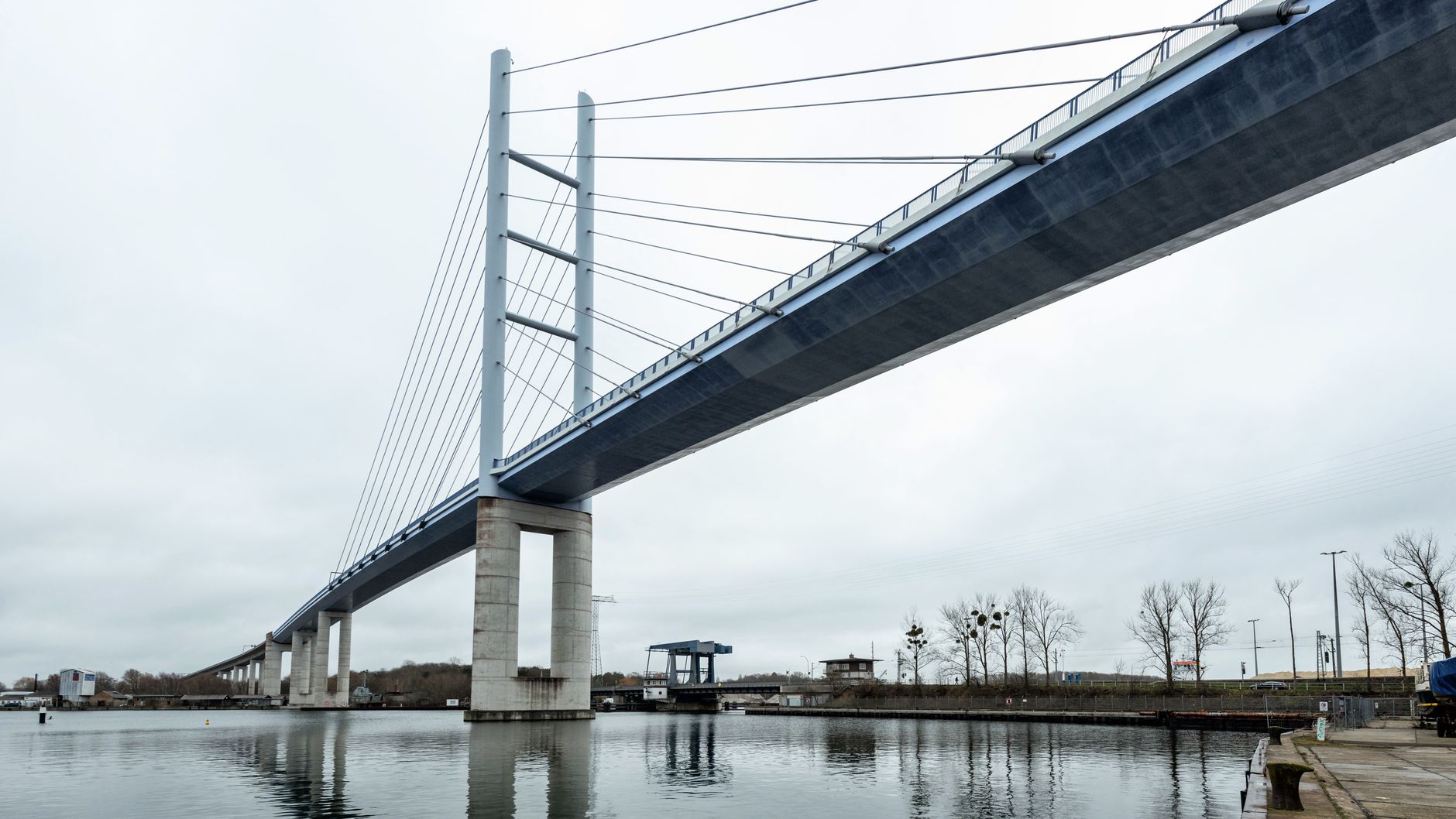
The real test for endowments accumulating these positions will come not during the next bull market but during the next genuine infrastructure stress event – a major bridge closure, a concession renegotiation forced by fiscal pressure on a municipal government, or a sustained traffic decline in a specific corridor. How those situations resolve will determine whether the asset class delivers on the promises embedded in the financial models, or whether the captive revenue stream turns out to be less captive than the pitch decks implied.
Frequently Asked Questions
Why are endowments investing in toll bridge concessions?
Toll bridge concessions offer predictable, inflation-linked revenue streams and long-dated contracts that match the perpetual investment horizons of university endowments and foundations.
What risks come with toll bridge concession investments?
Key risks include traffic volume exposure, political pressure to renegotiate contracts, and geographic concentration in jurisdictions with weaker regulatory protections for private concession holders.