
The Quiet Land Grab Below the Tracks
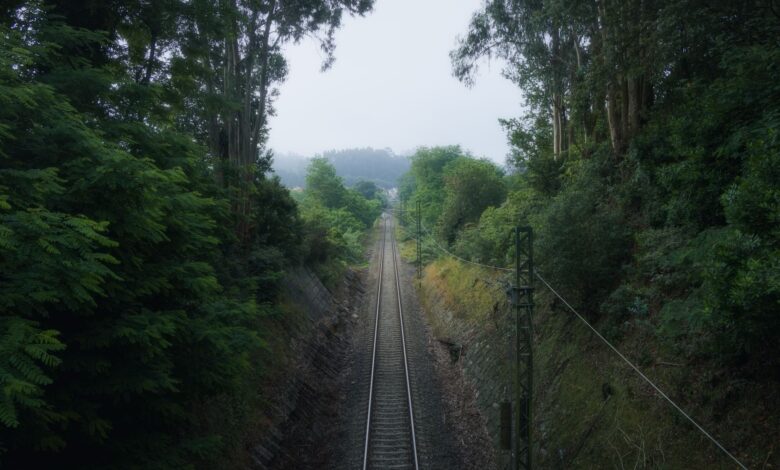
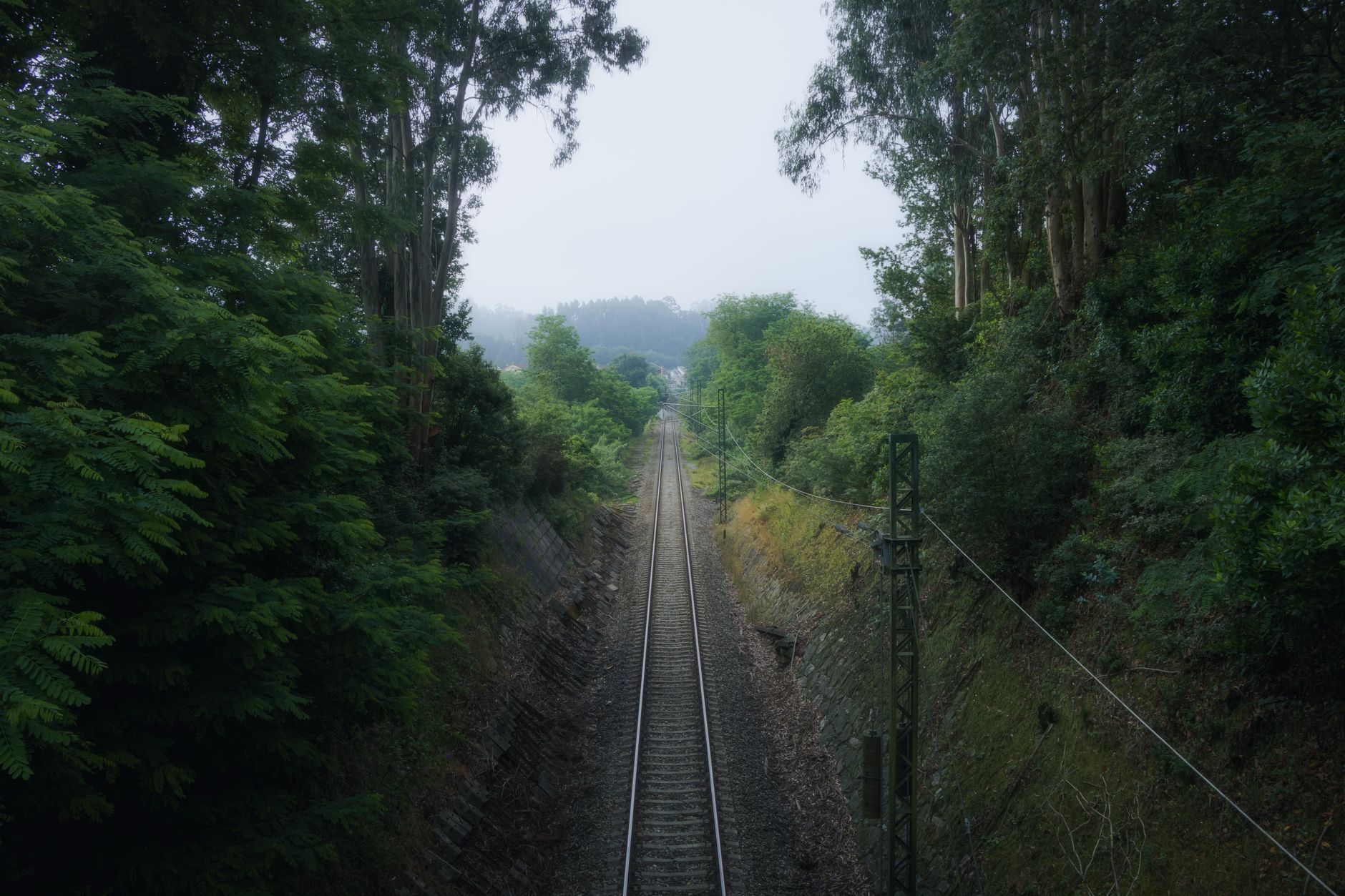
Railroad right-of-way land is among the most legally complex, physically specific, and financially misunderstood asset classes in American real estate. These narrow strips of land – sometimes just 100 feet wide but stretching for hundreds of miles – were granted to railroad companies throughout the 19th century by federal and state governments as incentives to build the national rail network. What most investors have overlooked for decades is that the railroads never fully monetized what sits beside, beneath, and above those tracks.
That oversight is correcting itself fast.
A growing number of hedge funds and alternative asset managers are quietly building positions in the lease rights attached to these corridors, targeting everything from fiber optic cable conduit agreements and pipeline easements to solar panel installations and data transmission towers. The play is not about the trains. It is about the land the trains run through, and the extraordinary range of secondary uses that land supports in an era of digital infrastructure buildout and energy grid expansion.
Why Right-of-Way Leases Are Suddenly Attractive
Railroad right-of-way corridors have two characteristics that make them structurally appealing to institutional capital: they are already permitted and they are already linear. Getting a new easement across private land in the United States is a years-long legal and political battle. Railroad corridors bypass that problem entirely. A fiber optic operator who needs to run cable from Chicago to Kansas City can negotiate a single lease with a railroad rather than hundreds of individual landowner agreements. That efficiency has real dollar value, and hedge funds are moving to capture a share of it before broader market attention arrives.
The lease structures themselves tend to be long-duration, inflation-linked contracts. A telecom company installing conduit in a railroad right-of-way might sign a 30-year agreement with annual escalators tied to the Consumer Price Index. For a fund seeking predictable, inflation-protected cash flows, that profile sits somewhere between a Treasury Inflation-Protected Security and a toll road concession. The underlying asset – the physical corridor – cannot be replicated or competed away. No one is building new transcontinental railroad routes to create supply.
What makes this moment particularly interesting is the convergence of several demand drivers at once. The federal government’s push to expand broadband access into rural areas has increased the value of existing conduit routes. The buildout of renewable energy infrastructure requires transmission corridors. And the proliferation of wireless towers along freight lines creates recurring annual revenue from telecom operators who need consistent line-of-sight placement. Each of these demands lands on the same narrow strip of land, and the railroads – as well as the investment vehicles acquiring secondary lease positions – benefit from each one independently.

How the Position-Building Actually Works
Most hedge funds are not buying railroad stock to gain this exposure. The more direct approach involves acquiring existing lease agreements from smaller holders – regional developers, telecom infrastructure companies, or energy firms that entered right-of-way agreements years ago and now need liquidity. A fund can purchase the income stream from a 25-year fiber conduit lease without ever touching the railroad’s equity. This creates a secondary market for right-of-way cash flows that is thinly traded, opaque, and therefore priced inefficiently – which is exactly where alternative capital thrives.
Some funds are going a layer deeper, acquiring minority stakes in the management companies that negotiate and administer right-of-way agreements on behalf of multiple railroads. These platforms sit between the railroad and the end user, handling legal due diligence, environmental compliance, and rent collection across thousands of individual agreements. Owning a piece of the platform is effectively owning a toll booth on the entire ecosystem. This kind of position is difficult to value using standard discounted cash flow models, which is part of why it has stayed below the radar of conventional real estate investment trusts and infrastructure funds. This broader pattern of funds moving into specialized infrastructure lease positions – similar in logic to the activity around biomass energy land leases – suggests a systematic search for yield in corridors that public markets have not yet priced properly.
The legal complexity is both a barrier and a feature. Railroad right-of-way land exists in a patchwork of ownership structures – some corridors are owned outright by the railroads, others involve century-old federal land grants with unique title conditions, and some run through what are legally considered “easements in perpetuity” rather than fee simple ownership. Untangling which uses are permitted under which grant conditions requires specialized legal expertise that most investors simply do not have. Funds that have built that expertise in-house have a durable advantage, because the learning curve for new entrants is steep and the deals require patience most public market investors cannot offer.
The Risks That Do Not Make the Pitch Deck
Right-of-way lease investing carries risks that are easy to understate when the income stream looks clean on paper. The most significant is reversionary risk – the possibility that a railroad abandons a corridor, triggering complex legal questions about what happens to the underlying land and any leases attached to it. When railroads are “railbanked” under federal law, meaning the corridor is preserved for future rail use rather than sold off, the lease rights can become tangled in litigation between adjacent landowners, trail conversion advocates, and existing lessees. A fund holding a 20-year fiber conduit lease on an abandoned corridor can find itself in a dispute that takes a decade to resolve and produces no income in the interim.
There is also concentration risk that is geographic rather than sector-based. Right-of-way corridors are fixed in space, which means a flood, a landslide, or a regulatory change affecting one region can impair multiple lease agreements simultaneously. A fund with positions concentrated along a single freight corridor – say, through a mountain pass or a flood-prone river valley – faces a correlation problem that its diversification model may not fully capture.

Despite these complications, the direction of capital flow is clear. The same digital and energy infrastructure demands that are reshaping how investors think about fiber networks, power transmission, and wireless towers are pushing sophisticated money toward the land corridors that connect them all. Railroad right-of-way leases sit at the intersection of every major infrastructure buildout trend of the next two decades, and the funds that have gotten there first are betting that a market which has been ignored since the 19th century land grants were signed is about to be repriced from the ground up – which raises the question of how long the window stays open before the next wave of institutional capital closes the efficiency gap entirely.