
The Quiet Accumulation Nobody Is Talking About
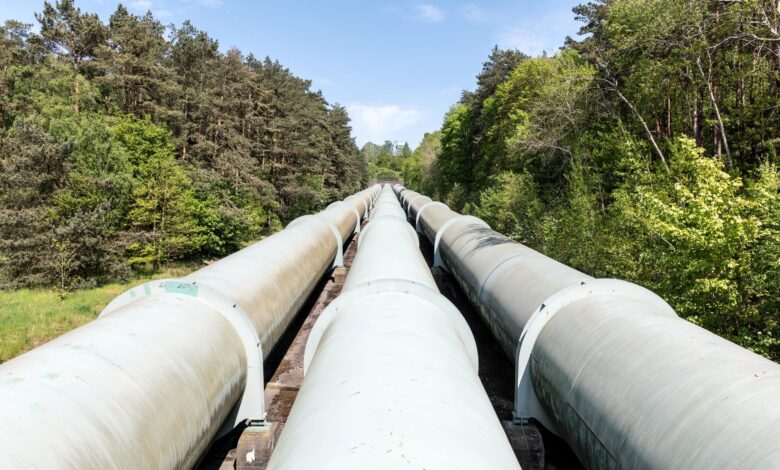
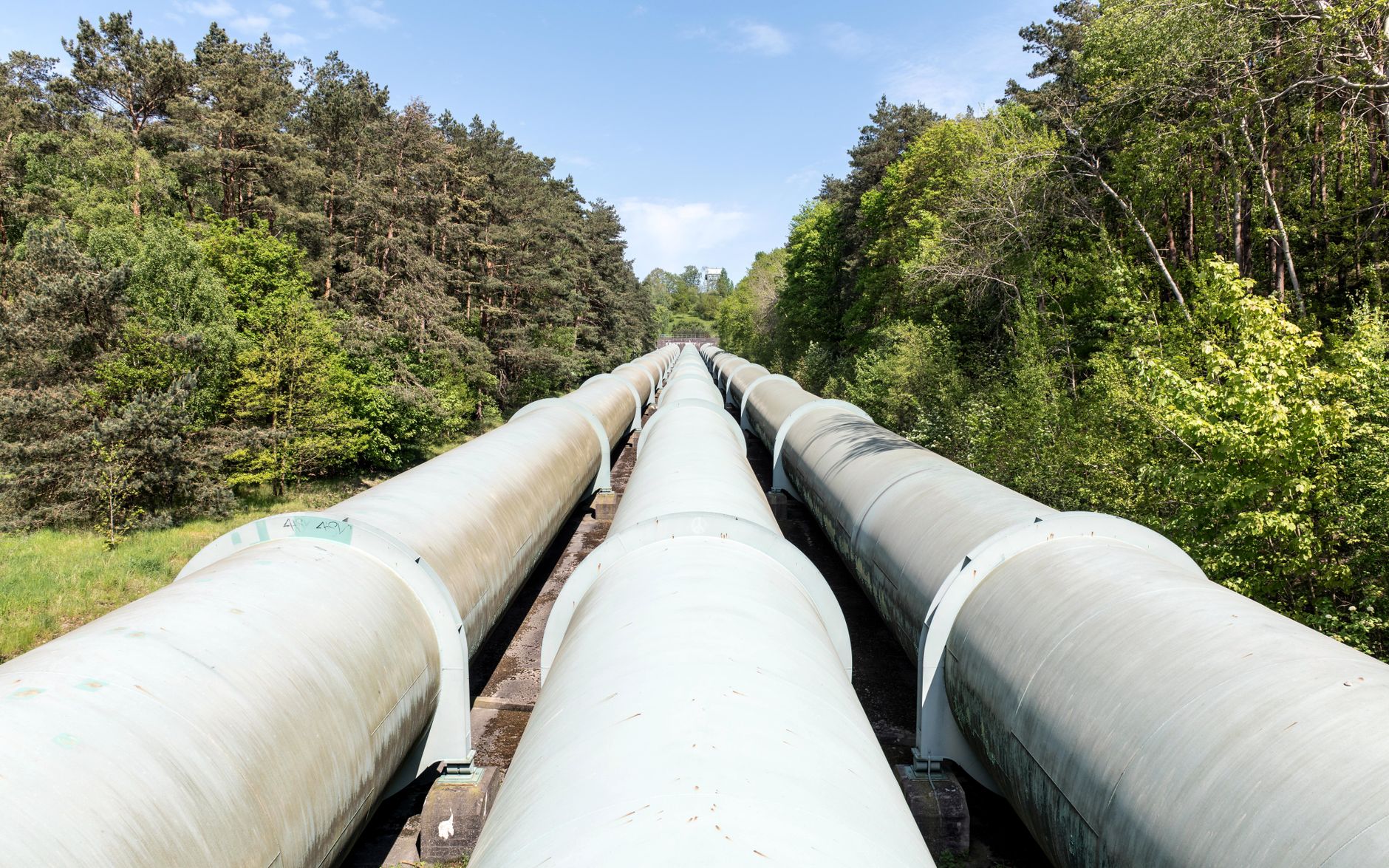
Pipeline compression easements sit at a peculiar intersection of energy infrastructure, real property law, and long-duration yield – which is exactly why most retail investors have never heard of them. A compression easement grants the holder the legal right to operate compression equipment on a defined strip of land, typically along a natural gas transmission corridor. That equipment – compressor stations, pressure regulators, related mechanical infrastructure – keeps gas moving through long-haul pipelines at the volumes and velocities that generate revenue. Without it, the pipeline is effectively inert.
Family offices have been quietly building positions in these easements through a combination of direct acquisition, participation in private credit structures, and minority stakes in midstream operating companies that specifically hold compression rights. The transactions are small by institutional standards, often structured as private placements with no public disclosure requirements, which is why the accumulation has gone largely unnoticed.
The appeal is structural, not speculative.
Why Compression Rights Generate Durable Cash Flow
A compression easement is not the same as owning the pipeline itself. It is a narrower, more defensible asset – a recorded real property interest that survives changes in pipeline ownership, operator bankruptcy, and even some regulatory restructurings. The compression operator earns revenue through throughput fees, which means the cash flow is tied to actual gas volumes moving through a corridor, not to commodity price fluctuations. When natural gas prices spike, producers push more volume. When prices fall, long-term take-or-pay contracts with shippers often guarantee minimum throughput payments regardless. Either way, the compression easement holder collects.
The duration profile of these assets is another reason family offices find them attractive. Easements are frequently granted in perpetuity or for terms of 50 to 99 years, with renewal options built into the original conveyance. That duration mirrors the liability structure of multi-generational wealth – a family office managing capital across three or four generations of a founding family does not need to recycle capital every seven years the way a private equity fund does. A compression easement acquired today can generate cash distributions to a founder’s grandchildren without any requirement to sell or refinance.
There is also a regulatory dimension that quietly works in the easement holder’s favor. Natural gas compression infrastructure is considered critical to interstate commerce and is subject to federal oversight under the Natural Gas Act. That federal jurisdictional layer creates a degree of tariff protection and rate-setting stability that purely private contracts cannot replicate. Compression operators who have obtained FERC authorization to charge regulated rates are insulated from the kind of contract renegotiation risk that plagues other midstream assets.

How Family Offices Are Structuring the Trades
The most common entry point is through direct participation in private credit facilities extended to midstream operators who need to finance compression upgrades or expansions. A family office might provide a mezzanine loan secured by a first-priority lien on specific compression easements, with the loan structured to convert to an equity interest in the underlying real property if the borrower triggers a defined default. This structure gives the family office current income – typically at a spread well above investment-grade corporate bonds – plus a pathway to direct ownership of the easement without having to bid in a competitive sale process.
A second approach involves acquiring fractional interests in existing easements from the landowners who originally granted them. When a farmer or rancher granted a compression easement to a pipeline company decades ago, the landowner typically retained a royalty interest or a reversionary right tied to certain conditions. Some of those retained interests have become quietly marketable as the original grantors age and want liquidity. Family offices, working through specialized land title brokers and energy law firms, have been purchasing these retained interests at prices that reflect the illiquidity discount on a non-operator position in a long-duration real property asset. The discount can be meaningful, and the underlying cash flow – once the position is seasoned – is largely self-managing. This pattern of acquiring easement-adjacent rights through private channels is not unique to compression; endowments have pursued similar strategies in broadband conduit easements, where the core logic – durable real property rights tied to essential infrastructure – is structurally identical.
The third and least visible approach is coinvestment alongside private equity funds that specialize in midstream asset acquisition. Several fund managers have built strategies around acquiring compression assets from major pipeline companies that are divesting non-core infrastructure to meet ESG commitments or simplify their balance sheets. Family offices that maintain relationships with these managers can take coinvestment allocations – direct participation in specific transactions at the fund’s cost basis, without paying management fees on that allocated capital. The coinvestment route provides institutional-grade due diligence and legal documentation while preserving the tax efficiency that family offices need to maintain across long holding periods.
The Risks That Don’t Show Up in the Pitch Deck
Compression easements are real property interests, which means their value depends entirely on the physical infrastructure they support remaining operational. A compressor station that is decommissioned – whether because the pipeline is abandoned, because electrification shifts the economics of gas transmission, or because a regulatory order mandates shutdown – transforms a yielding asset into a recorded but economically inert legal document. The easement itself survives, but the cash flow does not. Family offices that have concentrated positions in compression rights along aging transmission corridors face a scenario where the underlying infrastructure outlives its economic usefulness before the easement term expires.
Environmental liability is the other risk that deserves more attention than it typically receives in private placement memoranda. Compression stations involve significant mechanical equipment, lubricants, coolants, and in some configurations, combustion engines that create air quality obligations. If contamination is discovered on an easement parcel, the holder of the recorded real property interest may face exposure under state environmental statutes even if the holder is not the operator. The legal distinction between an easement holder and an operator is well established in contract law but less consistently applied in state environmental enforcement, particularly in jurisdictions that have adopted strict liability standards for petroleum-related contamination.
None of these risks make compression easements a flawed asset class – they make them a specialist asset class, which is precisely why family offices with dedicated energy legal counsel and long time horizons hold an advantage over institutions that require quarterly mark-to-market reporting and standardized risk frameworks. The family office that bought into a compression corridor in the Permian Basin five years ago and has collected uninterrupted throughput-based distributions since then is not particularly worried about whether that position appears in a Bloomberg terminal. The question facing new entrants now is whether enough of the discount is still available to justify the complexity, or whether the accumulation that has already occurred has quietly closed the gap.