
How Airlines Are Using Dynamic Pricing to Boost Credit Card Partnership Revenue

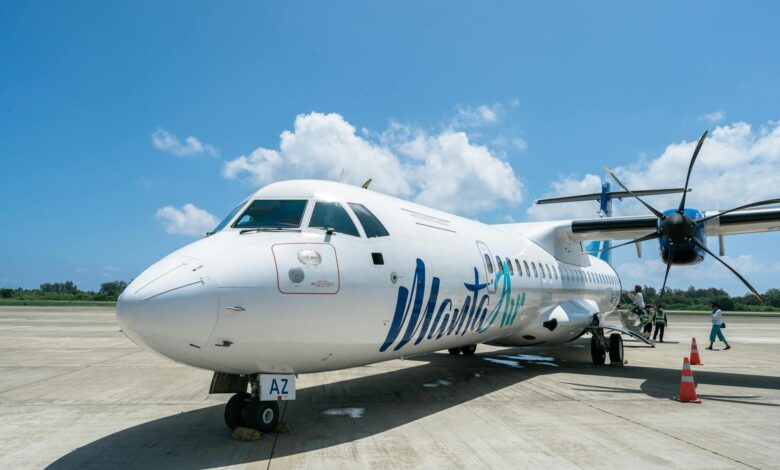
Delta Air Lines passengers checking flights on their phones this week discovered something peculiar: identical seats on the same route showed wildly different prices depending on which credit card they used to search. Welcome to the new frontier of airline revenue optimization, where dynamic pricing algorithms now factor in payment methods to maximize profits from lucrative credit card partnerships.
Major airlines have quietly transformed their pricing systems over the past two years, moving beyond traditional demand-based pricing to incorporate sophisticated data about customer payment preferences and spending patterns. The shift represents a fundamental change in how carriers approach their most profitable revenue stream outside of ticket sales: credit card partnerships worth billions annually.
The Algorithm Revolution in Airline Pricing
Airlines now deploy machine learning systems that analyze dozens of variables in real-time to set prices, but the integration of credit card data marks a new level of sophistication. These algorithms track which payment methods customers use, their historical spending patterns, and even their likelihood to purchase ancillary services like seat upgrades or baggage fees.
American Airlines pioneered this approach in late 2022, followed quickly by Delta, United, and Southwest. The systems can adjust prices within seconds based on inventory levels, competitor pricing, seasonal demand, and now, the specific credit card a customer uses to search for flights.
“We’re seeing pricing variations of 10 to 15 percent based purely on payment method selection,” explains airline industry analyst Robert Johnson from Aviation Economics Research. “Airlines have realized that customers using premium travel rewards cards are less price-sensitive and more likely to book immediately.”
The technology works by tracking cookies and user behavior across airline websites and mobile apps. When a customer searches for flights while logged into their frequent flyer account or after entering credit card information, the system instantly accesses their purchase history and card type to inform pricing decisions.
Southwest Airlines has been particularly aggressive with this strategy, offering different base fares to customers depending on whether they search while holding their co-branded Chase credit card. The airline’s rapid rewards program integration allows for seamless data sharing that enables these pricing adjustments.
Credit Card Partnership Economics Drive the Strategy
The financial incentives behind this pricing evolution are staggering. Airlines earn more from their credit card partnerships than from many of their flight routes. Delta’s partnership with American Express generates over three billion annually, while United’s Chase relationship brings in approximately two billion per year.
These partnerships work on multiple revenue levels. Airlines receive substantial upfront payments for exclusive branding rights, earn fees for each new card application, and collect ongoing interchange fees on every purchase cardholders make. Most lucratively, they sell miles to credit card companies at rates significantly higher than the actual cost of providing those rewards.
“The credit card tail is wagging the airline dog,” notes financial services consultant Maria Rodriguez. “These partnerships have become so profitable that airlines are restructuring their entire pricing philosophy around maximizing cardholder engagement.”
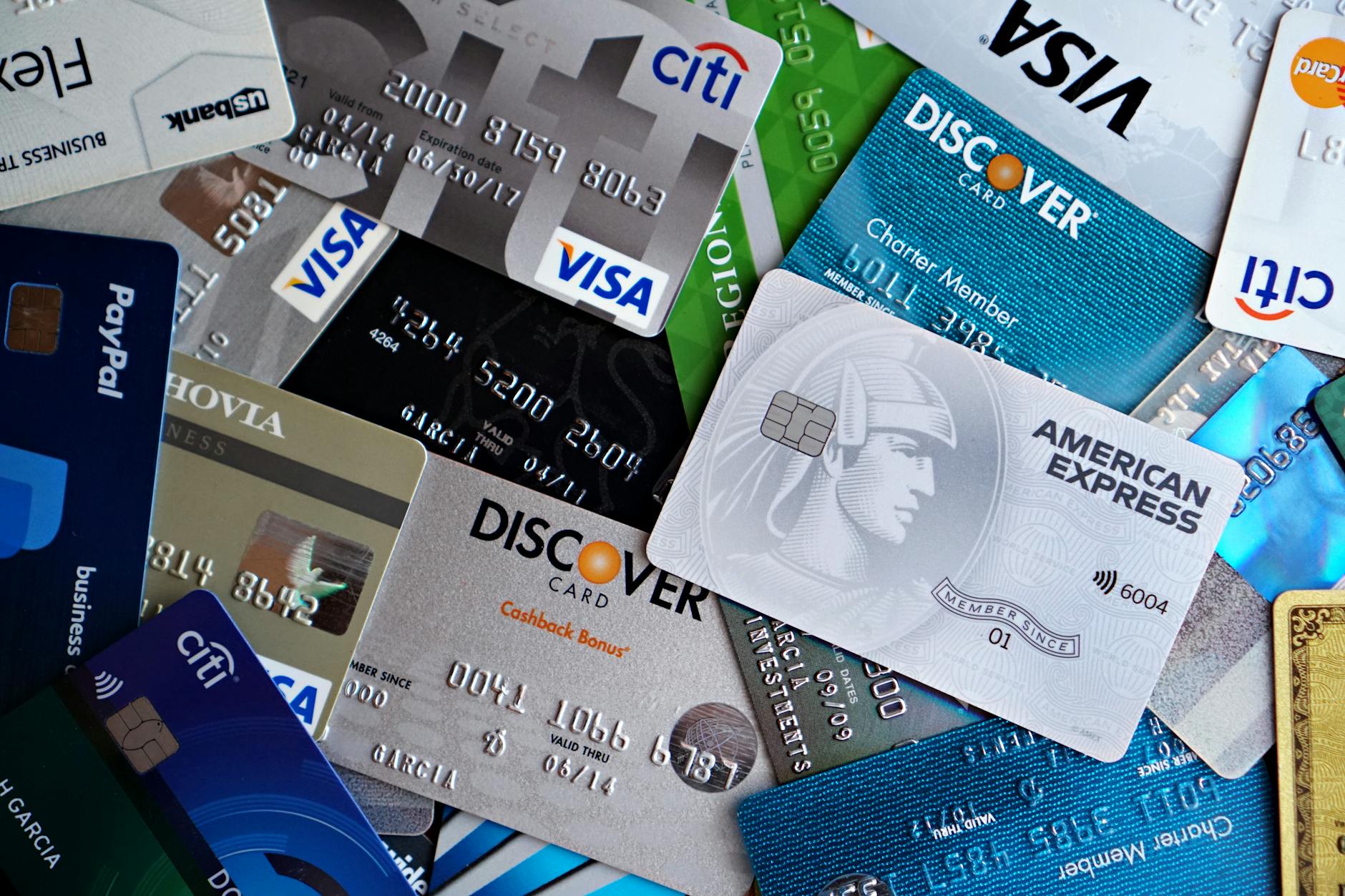
United Airlines has taken this integration furthest, with their MileagePlus program serving as a quasi-financial services platform. The airline now offers targeted flight discounts exclusively to their Chase cardholders, sometimes undercutting their own published fares by significant margins to drive card usage and loyalty.
The strategy extends beyond simple price discrimination. Airlines use credit card data to predict customer lifetime value, identifying high-spending passengers who merit preferential pricing and service. This creates a feedback loop where premium cardholders receive better deals, encouraging continued card usage and higher spending.
JetBlue’s partnership with Barclays exemplifies this approach, with the airline offering exclusive redemption rates and bonus mile opportunities that effectively create a two-tiered pricing system based on payment method.
Consumer Impact and Market Response
The proliferation of payment-based pricing has created a complex landscape for travelers. Savvy consumers have begun gaming the system by searching for flights in incognito mode or using different payment methods to compare prices, but airlines are responding with increasingly sophisticated tracking methods.
Some travelers report price differences of several hundred dollars for identical itineraries when searching with different credit cards or payment methods. This has led to the emergence of specialized travel booking services that help consumers navigate these pricing variations.
Consumer advocacy groups have raised concerns about transparency, arguing that airlines should disclose when pricing varies based on payment method. However, the practice currently operates in a regulatory gray area with no specific disclosure requirements.
The competitive dynamics have also shifted dramatically. Airlines with stronger credit card partnerships can afford to offer lower base fares while recouping revenue through payment processing fees and cardholder incentives. This advantage has contributed to market consolidation, as smaller carriers struggle to compete without comparable partnership deals.
Travel booking platforms like Expedia and Kayak have adapted by developing features that show price variations across different payment methods, though airlines have pushed back by restricting access to their lowest fares through third-party sites. Similar to how buy now pay later companies are targeting holiday travel bookings, airlines are leveraging financial partnerships to capture more customer spending.
The Technology Behind Personalized Pricing
Airlines have invested heavily in the technology infrastructure required for real-time personalized pricing. These systems process millions of data points daily, incorporating everything from weather forecasts and oil prices to individual customer browsing patterns and payment histories.
The most sophisticated implementations use artificial intelligence to predict not just whether a customer will purchase at a given price point, but which ancillary services they’re likely to add and their overall profitability as a customer. This creates highly personalized pricing that can vary dramatically between seemingly identical customers.
Delta’s revenue management system, developed in partnership with IBM, can process over 100 million pricing calculations per day. The system continuously learns from customer behavior, adjusting pricing strategies based on conversion rates and revenue optimization across their entire network.
Airlines also leverage data from their partners to enhance these algorithms. Credit card transaction histories, hotel bookings, and car rental patterns all feed into predictive models that determine optimal pricing strategies for individual customers.
The integration has become so seamless that many customers remain unaware of how extensively their data influences the prices they see. Airlines argue this creates better value by offering lower prices to price-sensitive customers while capturing additional revenue from those willing to pay premium prices.
Looking Ahead: The Future of Airline Pricing
Industry experts predict that payment-based pricing will become even more sophisticated as airlines expand their financial services offerings. Several major carriers are reportedly developing their own credit products and exploring cryptocurrency integration to capture additional revenue streams.
The regulatory environment may evolve as consumer awareness grows. The Department of Transportation has begun investigating airline pricing practices, though any new regulations would need to balance consumer protection with market innovation.
Competition from new market entrants could also disrupt these established partnerships. Low-cost carriers without legacy credit card deals are experimenting with transparent pricing models as a differentiator, potentially forcing industry-wide changes if consumer preferences shift toward pricing clarity.
As airlines continue refining these revenue optimization strategies, travelers can expect even more personalized pricing experiences. The days of fixed, transparent airfare pricing appear to be ending, replaced by dynamic systems that treat every booking as a unique revenue optimization opportunity.
Frequently Asked Questions
How do airlines use credit card data for pricing?
Airlines track payment methods and spending patterns through their websites and apps, then adjust flight prices based on the customer’s credit card type and purchase history.
Can I get better flight prices by using different payment methods?
Yes, airlines often offer different prices based on payment method, with premium credit cardholders sometimes seeing higher prices due to perceived lower price sensitivity.