
The Quiet Accumulation of Gravel
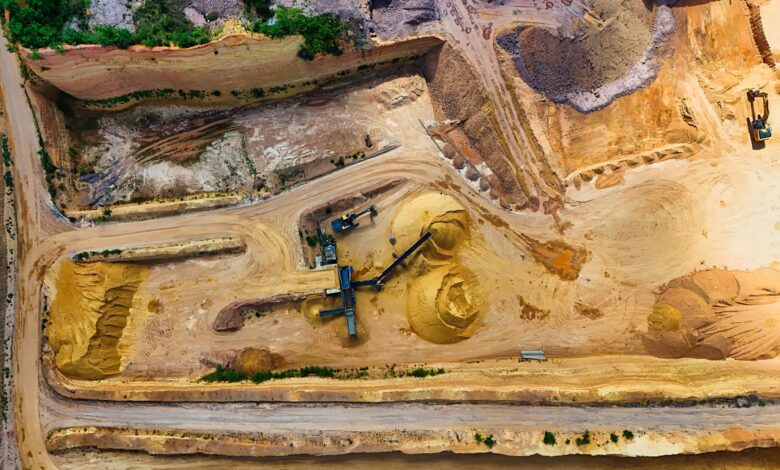
Gravel is not a glamorous asset. It sits in pits, gets loaded onto trucks, and ends up under roads, inside concrete, and beneath railroad beds. Nobody writes songs about it. But pension fund managers – the people responsible for the retirement security of teachers, firefighters, and municipal workers – have been quietly building exposure to gravel pit extraction leases over the past several years, treating aggregate mineral rights the way earlier generations of institutional investors treated farmland: as a long-duration, inflation-linked income stream with built-in scarcity protection.
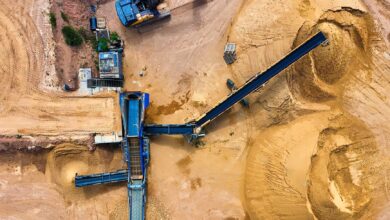
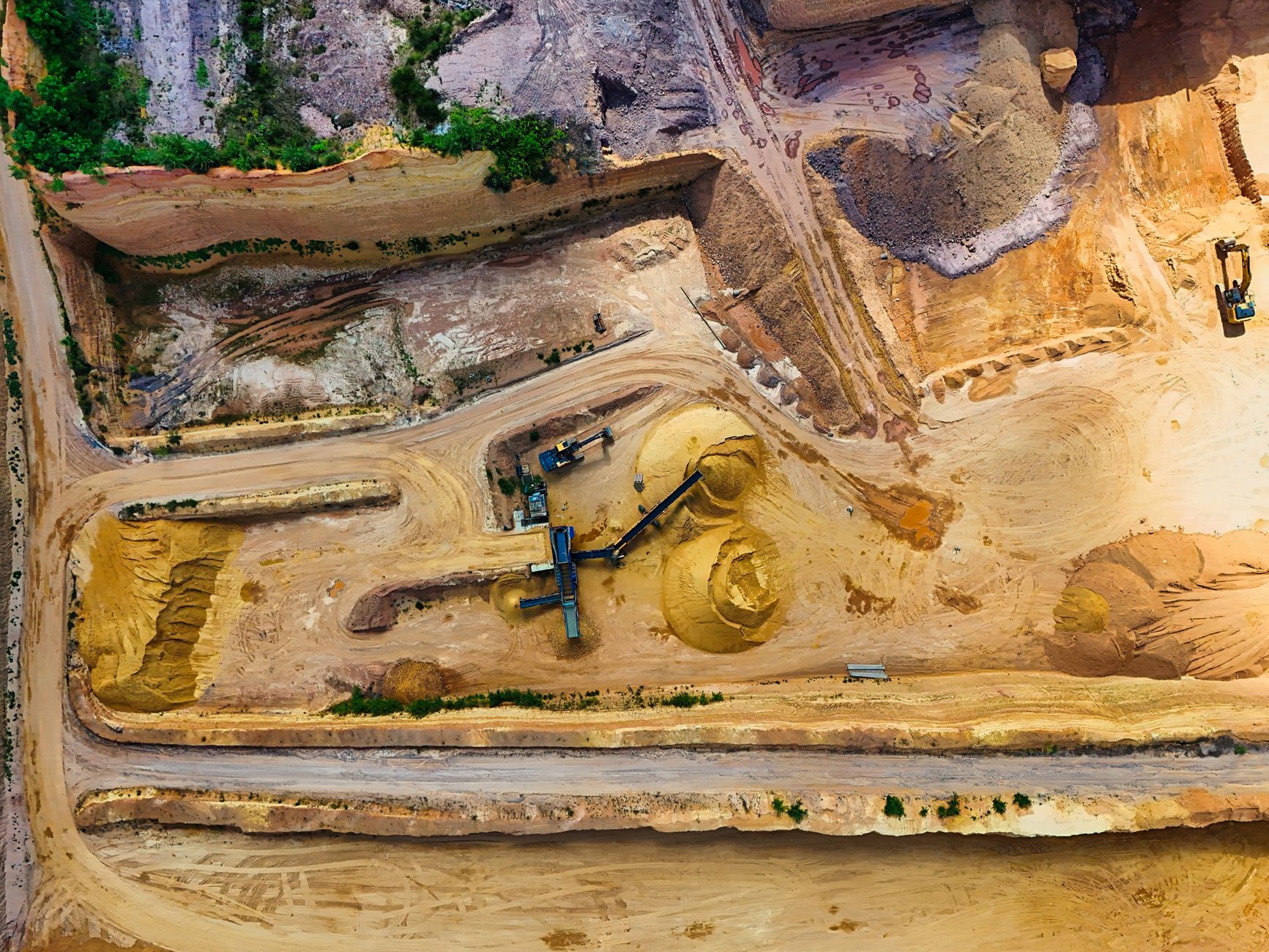
The mechanics are straightforward enough. A pension fund acquires the lease rights to a gravel pit – or more commonly, a portfolio of pits across a region – and collects royalty income each time material is extracted. The fund does not operate the pit. It does not buy equipment or hire workers. It simply holds the paper that entitles it to a per-ton payment whenever a quarrying company pulls aggregate out of the ground. That passive income structure is exactly what large, liability-driven funds have been searching for as traditional fixed-income yields have failed to keep pace with their long-term obligations.
Why Aggregate, Why Now
Construction aggregate – crushed stone, sand, and gravel – is consumed in enormous quantities and cannot be easily substituted. Every mile of highway requires tens of thousands of tons of it. Every new data center foundation, every warehouse expansion, every suburban subdivision adds to demand. And unlike commodities that can be shipped cheaply from distant suppliers, gravel is almost entirely local. The economics of hauling it more than roughly 50 miles by truck become prohibitive, which means a pit located near a growing metropolitan area is a genuinely scarce resource. That geographic constraint creates pricing power that few other commodity leases can match.
Infrastructure spending has added a reliable floor under demand. Federal legislation allocating hundreds of billions of dollars to roads, bridges, and broadband deployment over the coming decade means construction aggregate consumption is likely to remain elevated regardless of broader economic conditions. Pension funds with 20- and 30-year investment horizons can reasonably project that the pits they are leasing today will still be generating royalty income when the obligations they are managing come due.
The lease structure itself offers protections that bond portfolios cannot. Many gravel extraction leases include minimum royalty provisions – essentially a floor payment that the quarrying operator must deliver even in slow years. Some are indexed to construction cost inflation measures, meaning the per-ton royalty adjusts upward as material prices rise. That combination of downside protection and inflation linkage is difficult to replicate in public markets without taking on significantly more credit risk.
Access to these leases has historically been the barrier. Gravel pits are owned by families, small regional quarrying companies, and occasionally larger aggregate producers looking to monetize non-core assets. Transactions are negotiated privately, often through specialized real asset advisors who have spent years cultivating relationships with landowners and quarry operators. Pension funds without dedicated real assets teams have largely been shut out, which is part of why the accumulation has remained quiet – this is not a market with a public ticker or an index to track.
How the Lease Portfolios Are Structured
Rather than acquiring single pits, institutional buyers have generally pursued portfolio strategies – bundling leases across multiple sites and geographies to reduce the risk that any one location underperforms. A fund might hold royalty interests in a dozen pits spread across several states, with different quarrying operators running each site. That diversification smooths out the lumpy, cyclical nature of construction activity while preserving the aggregate income characteristics the fund is after.
Pension funds managing this kind of exposure often route it through separately managed accounts with specialized real asset managers, or through commingled vehicles that aggregate capital from multiple institutional investors. The commingled structure lowers the minimum ticket size required to achieve meaningful diversification and lets smaller pension systems access deal flow they could not source on their own. It also means the actual pension fund allocations are several layers removed from public view, which contributes to how understated the trend has been in mainstream financial coverage.
The Risk Picture
The strategy is not without complications. Environmental permitting for extraction operations has grown more contested in many jurisdictions, and a lease tied to a pit that loses its operating permit is effectively worthless. Pension funds acquiring these positions need to conduct serious due diligence on the regulatory standing of each site – not just the financial terms of the lease. Some funds have required indemnification provisions from operators covering permit loss scenarios, though enforcement gets complicated quickly if an operator faces financial distress at the same time a permit is revoked.
Liquidity is the other honest constraint. Gravel pit leases do not trade on any exchange. Exiting a position requires finding a buyer – another institution, a quarrying company, or a land investor willing to step in – and that process can take months or longer. For pension funds with genuinely long investment horizons, this is an acceptable trade-off. For funds that might face near-term liquidity pressure from benefit obligations or from member redemptions in cases of multi-employer plans, locking up capital in illiquid mineral leases carries real operational risk.

There is also a consolidation dynamic worth watching. The aggregate industry has been consolidating for decades, with large national producers acquiring smaller regional operators. If a quarrying company that has been paying royalties gets absorbed into a larger corporate structure, the lease terms do not automatically change – but the negotiating dynamic around future lease renewals can shift considerably when the counterparty is a sophisticated national company rather than a family-owned quarry. Pension funds that locked in long lease terms with favorable indexing provisions are better positioned than those whose leases come up for renegotiation in the near term. The funds that moved earliest are already sitting on the stronger contractual positions, and the window for replicating those terms at comparable valuations is narrowing.