

The Quiet Shift Toward Infrastructure’s Most Unglamorous Assets
Toll road equipment leases rank somewhere below municipal bonds on the excitement scale, which is precisely why pension funds are buying into them. These are the contracts that govern everything from electronic tolling gantries and weigh-in-motion sensors to license plate readers and payment processing hardware – the physical backbone of toll collection systems that most investors ignore entirely. Pension managers, operating on decades-long investment horizons and desperate for inflation-linked yield, have started treating these leases as a distinct asset class rather than a footnote buried inside broader infrastructure funds.
The appeal is structural. Toll road equipment leases typically run five to fifteen years, carry government or quasi-government counterparties, and generate cash flows tied contractually to usage volume or fixed annual escalators. For a fund managing obligations to workers who will retire in 2040 or 2055, that kind of predictability is worth paying a premium for. The fact that these assets sit well below the radar of most institutional investors means pricing has not yet been bid up to the levels seen in core infrastructure – airports, pipelines, regulated utilities – where competition is ferocious and yields have compressed accordingly.

What These Leases Actually Cover
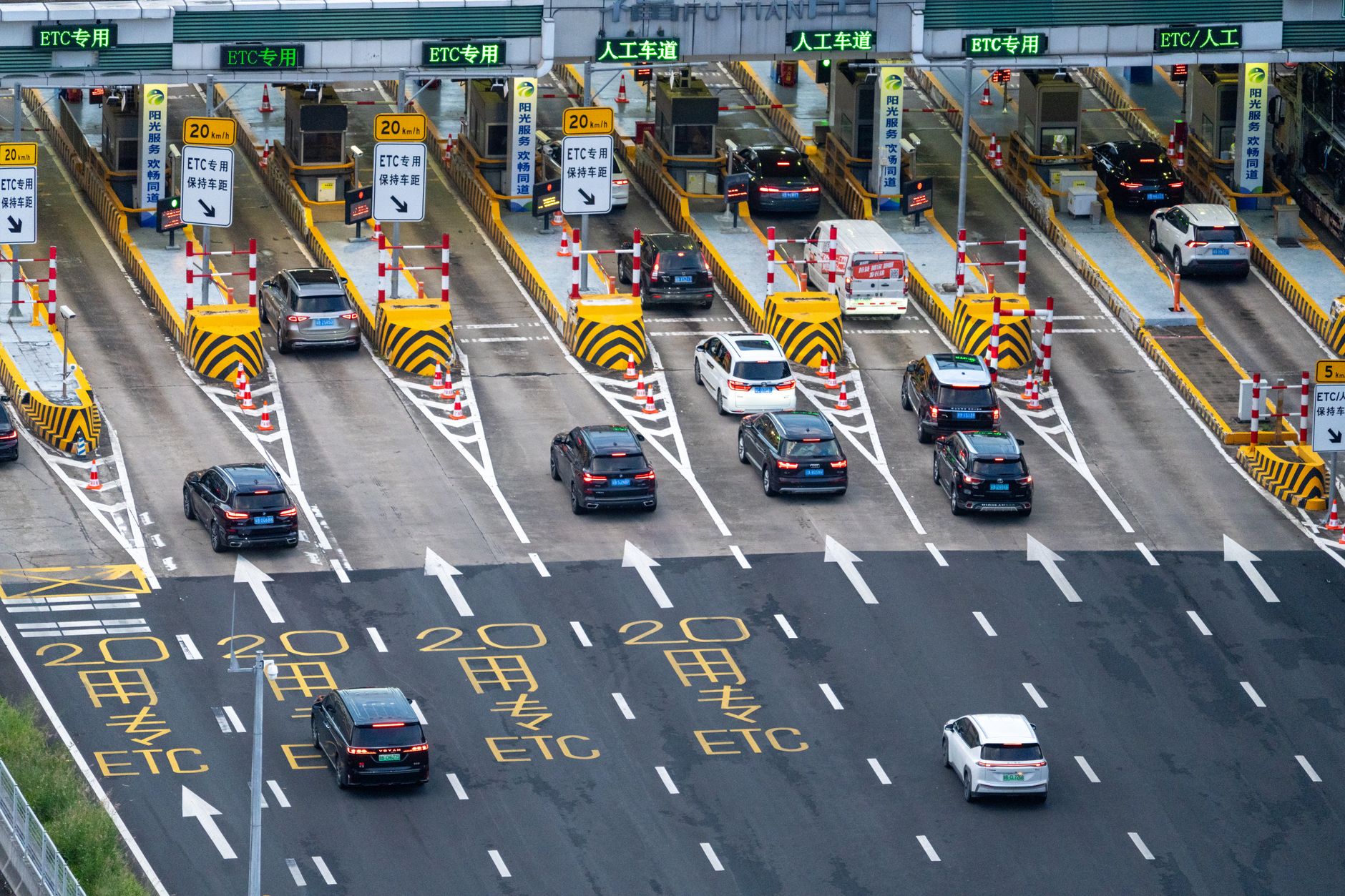
The equipment side of toll infrastructure is more complex than it appears from the driver’s seat. A single highway interchange may rely on dozens of discrete systems: transponder readers, overhead gantry structures, dynamic message signs, toll plaza lighting, fiber-optic communication networks linking remote sites to central processing hubs, and the servers that reconcile transactions in real time. Each of these components can be financed separately, and the lease structures that govern them vary considerably in their risk profiles and return characteristics.
Pension funds are not operating these systems – they are providing the capital that allows toll operators, state transportation departments, and private concessionaires to acquire equipment without large upfront outlays. In exchange, the lessee (usually a public authority or a private toll road operator under a long-term concession) makes scheduled payments over the lease term. The pension fund holds a secured interest in the equipment itself, which provides a recovery mechanism if the lessee defaults, though defaults in this segment are historically rare given the essential-service nature of toll collection. The equipment wears out before the concession does, which is why replacement cycles create a steady pipeline of new lease transactions.
Some pension funds are accessing this market directly through separately managed accounts with specialist asset managers who focus exclusively on transportation equipment finance. Others are coming in through broader infrastructure debt funds that allocate a portion of capital to equipment leases alongside construction financing and revenue bonds. The direct route offers more control over deal selection and pricing, but requires either in-house expertise or a tight relationship with a specialist manager who can source transactions at scale. A growing number of mid-sized public pension funds – those managing between five and twenty billion dollars in total assets – have been building these relationships over the past several years, quietly enough that the positions rarely surface in public filings until well after they are established.
The ticket sizes involved help explain the low profile. Individual equipment lease transactions often range from ten to one hundred million dollars, small enough that they fall below the threshold attracting significant press attention, but large enough to be meaningful when aggregated across a portfolio. A pension fund might build a position of three to four hundred million dollars across dozens of individual leases covering multiple states and operators, achieving diversification without any single transaction generating headlines.

Why Pension Funds Are Choosing This Over Core Infrastructure Equity
Core infrastructure equity – buying stakes in actual toll roads, airports, or regulated utilities – has become a crowded trade. Sovereign wealth funds, large endowments, and major pension systems worldwide have all moved into that space, and the result has been valuation multiples that price in very little margin for error. Equipment leases sit one level down in the capital structure and one level below the radar, offering what amounts to an infrastructure-adjacent return premium without requiring a fund to compete in a bidding war for trophy assets.
The secured nature of the debt is also relevant here. A pension fund holding a lease on electronic tolling equipment has a claim on specific, identifiable assets. If a private toll road operator runs into financial difficulty – and several major concessionaires have done exactly that over the past decade when traffic projections proved optimistic – the equipment lessor typically retains priority over unsecured creditors. The equipment can theoretically be repossessed and redeployed, though in practice most stressed situations result in renegotiated leases rather than physical recovery. That legal backstop still matters to pension trustees evaluating fiduciary risk.
The Inflation Protection Angle
Pension funds have faced sustained pressure to find assets that hold their value when inflation runs above expectations. Traditional fixed-income portfolios took visible losses during the most recent inflationary period, and trustees have been pushing investment committees to source more inflation-linked cash flows. Toll road equipment leases, when structured with annual escalators tied to the Consumer Price Index or the Producer Price Index for capital goods, provide exactly that linkage.
The inflation protection is not perfect – lease escalators are often capped, and some older agreements use fixed step-ups that don’t track CPI dynamically – but the direction of exposure is right for a fund trying to protect real purchasing power over a long horizon. Equipment replacement cycles also tend to coincide with periods of elevated capital spending, which historically align with inflationary environments, keeping the pipeline of new lease transactions active precisely when funds want to deploy capital into inflation-sensitive instruments.
There is also the matter of duration matching. Pension funds carry long-dated liabilities – future benefit obligations stretching out twenty, thirty, or forty years. Finding assets with matching long durations at acceptable yields has been one of the defining challenges of institutional portfolio management for the better part of two decades. A fifteen-year equipment lease on a major toll authority’s transponder network does real work in that matching exercise, particularly when the counterparty is a state agency with strong credit ratings and little meaningful risk of early termination. Family offices have pursued a structurally similar logic in port drayage debt, seeking secured, duration-matched cash flows from transportation infrastructure that institutional investors have historically overlooked.
Where the Strategy Could Run Into Trouble
The case for toll road equipment leases is not without complications. Technology obsolescence is the most frequently cited concern. The electronic tolling industry has moved fast – cashless all-electronic tolling replaced traditional cash plazas, and now some transportation planners are exploring vehicle-miles-traveled fees that could eventually displace tolling architecture altogether. A pension fund holding a ten-year lease on hardware that becomes technically redundant in year six faces an uncomfortable conversation with its lessee about early termination rights and residual value.
Concentration risk is another issue that deserves attention. The universe of creditworthy toll operators and transportation authorities is not unlimited, and a fund building a significant equipment lease portfolio may find itself with meaningful exposure to a handful of states or concession operators. Geographic diversification across multiple states and operators is achievable but requires deal flow that not every specialist manager can consistently provide. Funds that have moved into this space most successfully tend to be those with patient capital and the willingness to hold a transaction at the expected rate rather than selling into a secondary market that remains thin and illiquid compared to public bond markets.
The liquidity question may be the sharpest edge. Toll road equipment leases do not trade on exchanges, and the secondary market for these instruments is limited enough that a fund needing to exit a position quickly would almost certainly do so at a significant discount. For a pension fund with stable, predictable liability payments and a long investment horizon, that illiquidity is manageable – arguably it’s part of why the return premium exists in the first place. But a fund that has underestimated its near-term liquidity needs, or that faces unexpected benefit payment acceleration, could find itself holding assets it cannot sell at any reasonable price when it needs cash most urgently.
Frequently Asked Questions
What are toll road equipment leases?
They are financing contracts that allow toll operators or public authorities to acquire equipment like transponder readers and tolling gantries, with the lender holding a secured interest in the hardware.
Why are pension funds interested in this asset class?
Toll road equipment leases offer inflation-linked cash flows, long durations suitable for liability matching, and yields above compressed core infrastructure equity, with secured debt protection.