
The Obscure Asset Class Powering a Quiet Hedge Fund Pivot
Power easements attached to data center land parcels have become a surprisingly active target for hedge fund capital, even as the broader market conversation fixates on AI chip stocks and hyperscaler valuations. These easements – legal rights granting access to electrical infrastructure running across or beneath privately held land – sit at the intersection of real estate law, energy transmission, and the raw demand surge driven by machine learning workloads. They are not traded on any exchange, they rarely appear in earnings calls, and most retail investors have never heard of them. That is precisely the point.
A growing number of alternative asset managers are treating data center power easements the way an earlier generation treated toll roads or cell tower ground leases: as durable, inflation-linked income streams with structural demand that is difficult to unwind. The logic is straightforward. You cannot run a data center without power delivery rights. And as grid interconnection queues stretch into multi-year timelines across Northern Virginia, Texas, and the Pacific Northwest, the easements that already exist carry a scarcity premium that compounds quietly over time.

Why Easements, and Why Now
The conventional data center trade – buying equity in REITs or taking positions in hyperscaler stocks – has become crowded enough that entry multiples compress the expected return. Easement positions, by contrast, sit in a part of the capital structure that most institutional players skip entirely. They are not equity. They are not debt. They are contractual property rights, often recorded against land titles for 25 to 50 years, that generate fees every time the underlying electrical capacity is used or simply maintained. The fee structures are typically indexed to power consumption or tied to long-term fixed escalators, which makes them behave like royalty streams in an energy context.
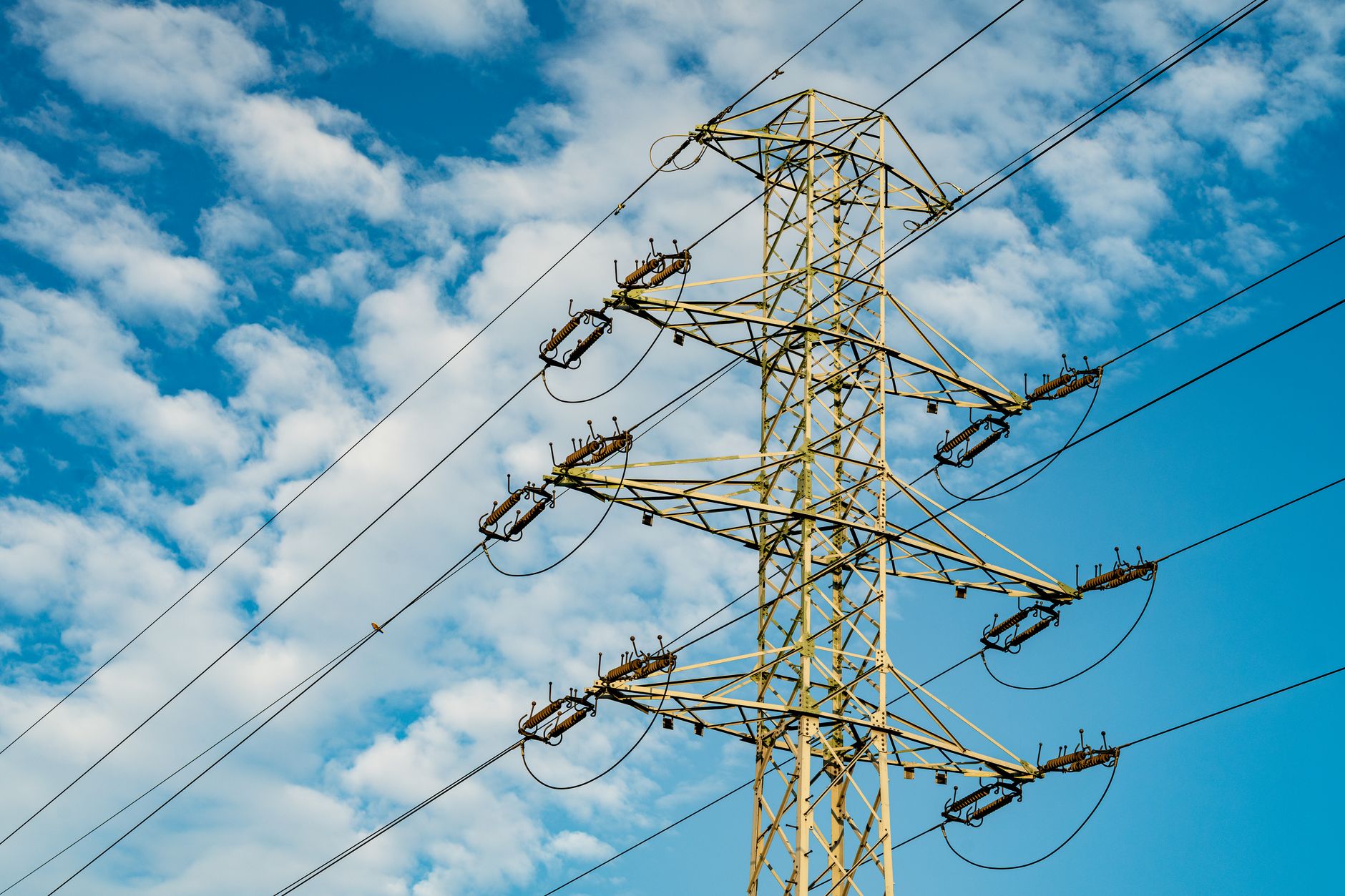
The timing connects directly to the grid capacity crunch. Utility commissions in key data center corridors have imposed interconnection moratoria or severe queuing delays. A data center developer who already holds a power delivery easement from a previous cycle is sitting on something that a new entrant simply cannot replicate quickly. Hedge funds buying into that position – either by acquiring easement rights directly from landowners or by purchasing structured notes backed by easement cash flows – are essentially buying the queue position itself. The asset is not the land. It is the right to use a scarce pathway through the land.
Structure of the Trade
The mechanics vary by fund strategy. Some managers are taking direct positions, negotiating easement purchases from agricultural landowners or rural municipal entities that happen to sit in utility corridors adjacent to planned or operating data center campuses. The landowner receives an upfront payment plus an ongoing fee. The fund receives a recorded easement right with a contractual term and, in most structures, a reversion clause that kicks in if the data center tenant abandons the site.
Others are approaching the trade through structured credit. A data center operator with existing easements can securitize those rights into a note facility, using the easement cash flows as collateral. Hedge funds with credit mandates find this format more familiar – it looks and behaves like an asset-backed security, with the underlying collateral being a property right rather than a receivable. The credit quality depends heavily on the tenant covenant and the remaining term of the easement, but the physical asset securing the note is non-depreciating land access, which appeals to managers who survived the 2022 rate cycle watching duration assets crater.
A third approach involves buying into operating companies that aggregate easement portfolios. These are typically private, often structured as pass-through entities, and they sit in the same general category as ground lease trusts that endowments have used to build durable income exposure in hospitality real estate. The aggregator model allows a fund to gain diversified easement exposure across multiple corridors and utility districts without sourcing each individual right separately.
What makes all three approaches attractive from a portfolio construction standpoint is their low correlation to public equity markets. Power easement income does not move with the S&P 500. It does not reprice when the Federal Reserve holds rates steady or when a tech earnings cycle disappoints. The cash flow is contractual, the collateral is recorded in a county deed registry, and the demand driver – electricity delivery to compute infrastructure – is not going away regardless of which AI model wins the current benchmarking race.
Risk Factors the Funds Are Pricing In
The trade is not without exposure to things that can go wrong. Utility regulatory risk is the most discussed concern. State public utility commissions can alter transmission access rules, renegotiate interconnection agreements, or impose new grid fees that erode the economic value of an easement position. A fund holding easement rights in a state where the regulatory environment turns hostile to large-scale power consumers faces a problem that is difficult to hedge through standard derivatives.
There is also the question of counterparty concentration. Many of the most valuable easements in high-demand corridors are tied to a small number of hyperscaler tenants or large colocation operators. If a single tenant abandons a campus – whether due to technology shifts, consolidation, or a strategic pivot away from a particular geography – the easement backing that site can lose its premium pricing overnight. The reversion rights built into most easement structures provide some protection, but finding a replacement tenant capable of absorbing the same power volumes is not always fast or guaranteed.
The Broader Capital Pattern
This move into data center power easements fits a pattern visible across alternative asset management over the past several years, where infrastructure-adjacent rights – rather than the infrastructure itself – become the preferred way to play a demand theme with less construction risk and more contractual certainty. The same logic animated the sovereign wealth fund accumulation of copper royalty streams as the energy transition trade matured, where the royalty on the resource extracted proved more defensible than owning the mine outright.
The easement trade also reflects a view on where the grid bottleneck actually sits. Building a data center is capital-intensive but well-understood. Securing the power to run it, across an increasingly constrained transmission network, is the harder problem. The funds now moving into this space are betting that the chokepoint – not the compute facility, not the land beneath it, but the electrical pathway feeding it – is where durable value will accrue over the next decade.
Northern Virginia, which accounts for a disproportionate share of global data center capacity, has already seen easement right negotiations become a serious line item in site acquisition budgets for new campus developments. The utility corridor running through Loudoun County has become something close to contested ground, with landowners increasingly aware that the strip of land above a buried transmission line is worth considerably more than the agricultural assessment on their property tax bill suggests. That awareness is starting to price into negotiations in ways that make early-mover easement holders – and the funds that bought into their positions – look prescient.