
The Quiet Reallocation
Agricultural land leases are not glamorous. They don’t generate headlines the way tech IPOs or crypto rallies do, and they don’t produce the kind of quarterly returns that make institutional investors look like geniuses at board meetings. What they do produce is something pension funds have been quietly desperate for: long-duration, inflation-linked income that doesn’t move in lockstep with equity markets.
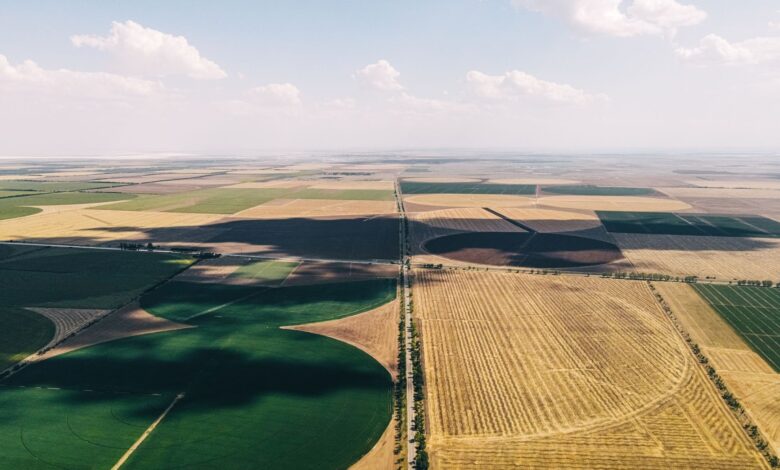
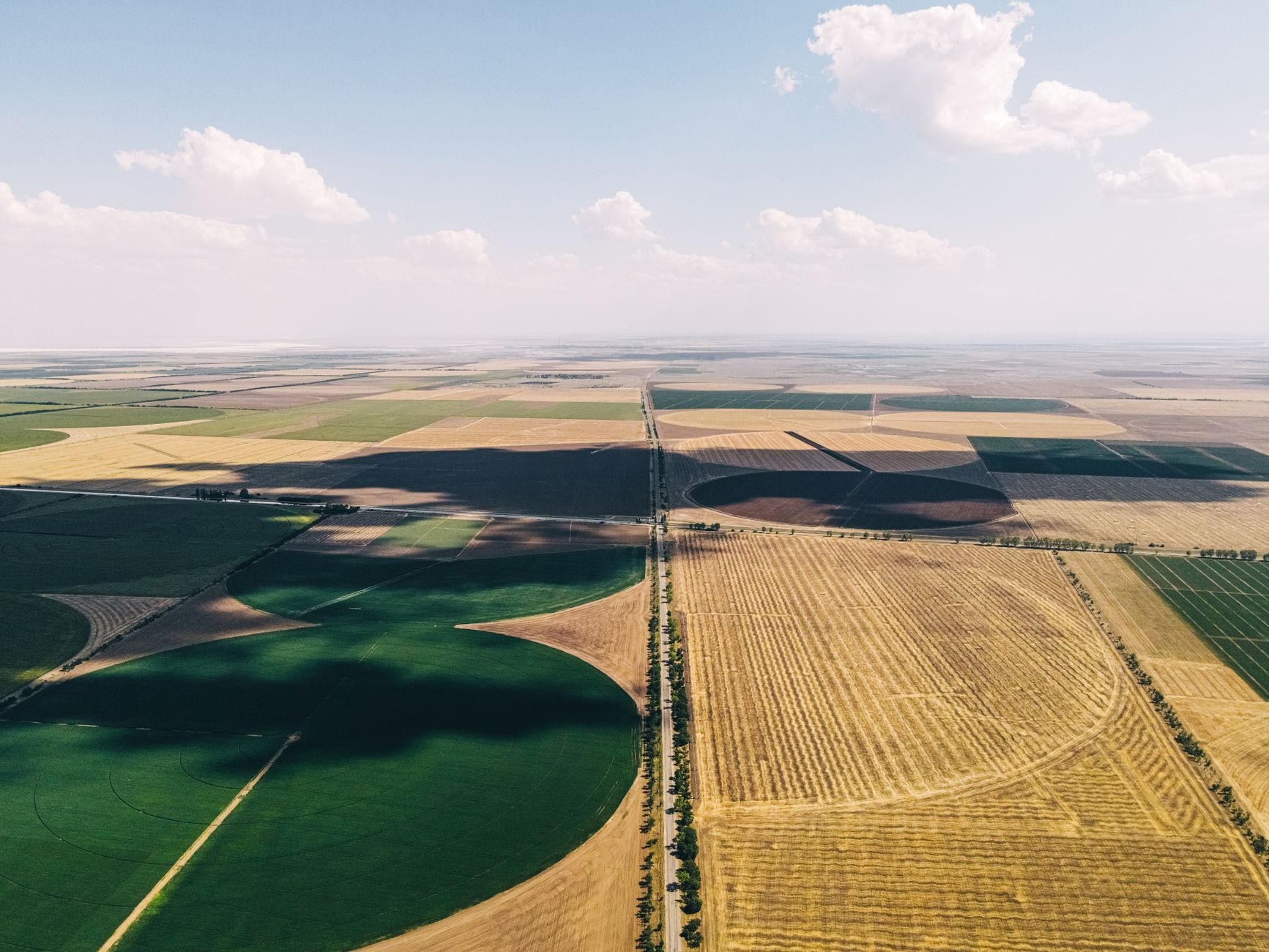
Over the past several years, a growing number of large pension funds – particularly in Canada, Australia, and the Netherlands – have been increasing allocations to farmland, specifically through lease structures rather than direct ownership. The approach lets funds collect rental income from operating farmers while holding the underlying land as a hard asset on their books. It’s a setup that looks, structurally, a lot like real estate investment, but with a different risk profile and a much longer investment horizon.
The shift is quiet by design.
Why Leases, Not Ownership
There’s a meaningful difference between a pension fund buying farmland outright and one structuring exposure through long-term lease agreements. Direct ownership brings operational risk – someone has to manage the land, handle crop failures, navigate water rights disputes, and deal with the regulatory complexity of agricultural production in different jurisdictions. Lease structures sidestep most of that. The fund acts as landlord. The farmer absorbs the operational exposure. The fund collects a rent that is typically indexed to commodity prices or inflation metrics, depending on how the contract is drawn.
That inflation-indexing feature is the primary driver of institutional interest right now. Pension funds carry long-dated liabilities – obligations to pay retirees decades into the future – and they need assets that hold purchasing power over that same horizon. Fixed-income instruments lose ground when inflation runs hot. Equities can compensate, but they introduce volatility that creates matching problems on the liability side. Agricultural land rents, tied to food prices which themselves trend upward over time, offer a middle path: not flashy, but durable.
The lease structure also keeps funds out of direct agricultural activity, which matters for regulatory and reputational reasons. Several pension funds have faced scrutiny over foreign land ownership, particularly when the acquisitions involve productive farmland in developing countries. A domestic lease portfolio – say, across the U.S. Midwest corn belt or Australian wheat regions – is a much cleaner story to tell beneficiaries and regulators. It keeps the fund in the role of passive investor rather than land baron.

How the Portfolio Math Works
Agricultural lease income typically runs lower than the headline returns available from equities or private equity, but that comparison misses the point. The relevant comparison for pension funds is risk-adjusted return relative to their liability profile. A lease portfolio generating steady, inflation-linked cash flows over a 20- or 30-year term lines up well against a fund’s obligation to pay out benefits over that same period. The correlation to traditional asset classes is low, which reduces overall portfolio volatility without sacrificing all yield.
Farmland as an asset class has historically appreciated in nominal terms over long periods, driven by constrained supply – there is a fixed amount of productive agricultural land globally – and growing demand from a larger, wealthier global population. The lease structure captures both dimensions: current income from the rent, and capital appreciation on the underlying land value. When a fund eventually exits, either by selling the land or restructuring the lease arrangement, it can realize gains that have compounded quietly over decades.
There’s also a diversification argument that goes beyond simple correlation statistics. Agricultural land values are driven by different forces than, say, office real estate or infrastructure assets. Weather patterns, soil quality, water access, regional crop demand – these factors create a return stream that behaves differently from urban property markets or regulated utility assets. For funds already holding significant positions in infrastructure and commercial real estate, adding farmland leases broadens the real-asset sleeve in a genuinely distinct way. This same logic of long-duration, non-correlated real-asset leases is visible in other institutional strategies, including how sovereign wealth funds have been quietly accumulating positions in seaport terminal leases – a different asset class but a structurally similar thesis.
The Friction Points
None of this is frictionless. Farmland lease investments are illiquid – there’s no exchange where a fund can reduce its position if it needs cash in a hurry. Valuation is also complex; unlike publicly traded assets, farmland appraisals depend on local market conditions, soil assessments, and lease terms that vary enormously by geography and crop type. Two farms ten miles apart can carry very different values based on water rights alone.
Political risk is real and underappreciated. Several U.S. states have introduced or are considering legislation restricting foreign institutional ownership of agricultural land. While most domestic pension funds aren’t foreign entities, the regulatory attention puts the broader category of institutional farmland investment under a scrutiny it hasn’t historically faced. Any fund building a significant farmland position has to weigh the possibility that the rules governing that investment could change over its holding period.
There’s also the question of farmer relationships. Lease structures work best when the operating farmer is financially stable and committed to maintaining land quality. A farmer who is cash-strapped may cut corners on soil health, drainage maintenance, or crop rotation in ways that degrade the underlying asset over time. Sophisticated institutional investors in this space are increasingly building land stewardship requirements directly into lease agreements – linking rent adjustments to soil health metrics or requiring third-party land quality audits at regular intervals.
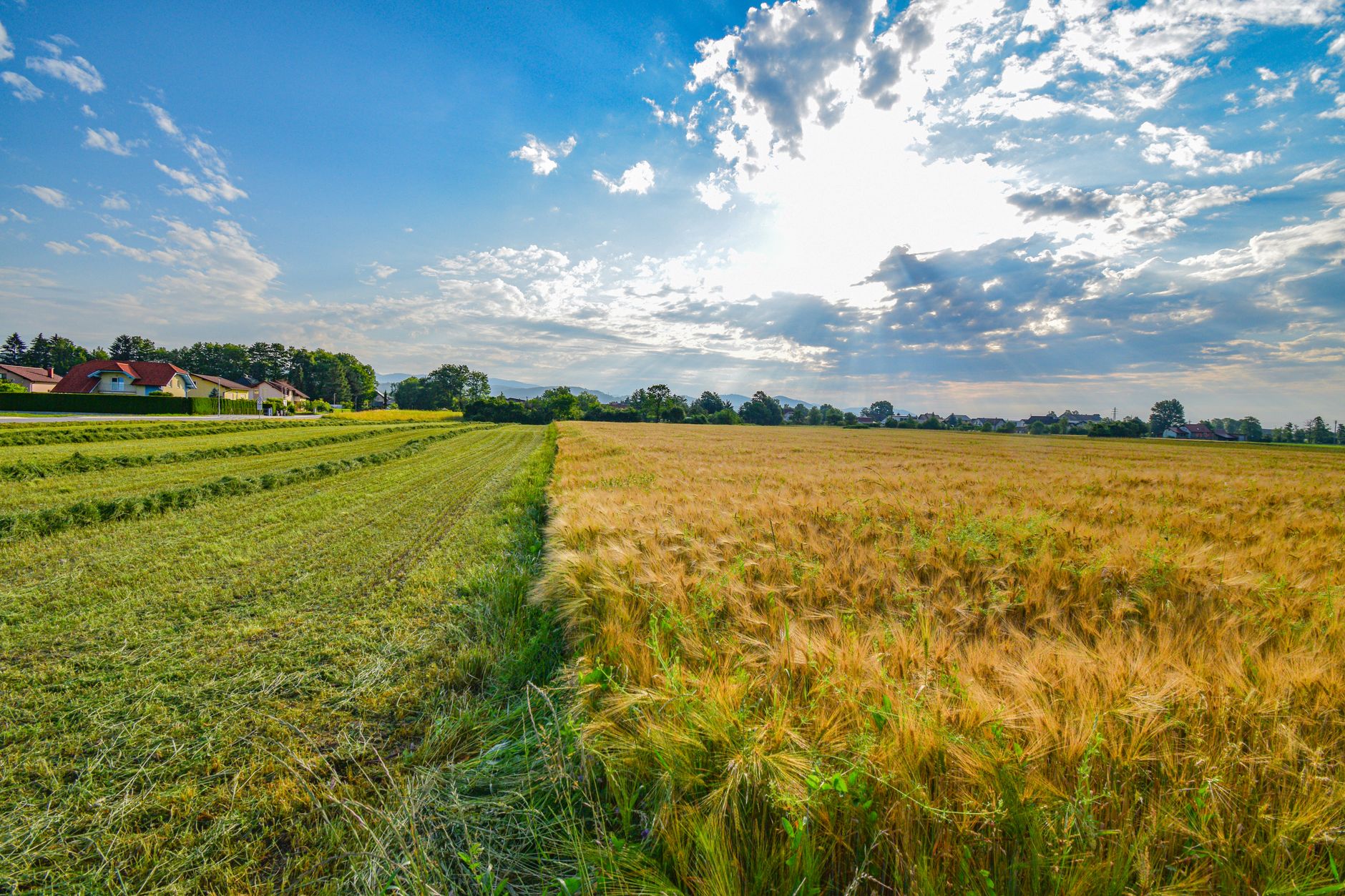
The deeper tension running through all of this is that pension funds are, by their nature, patient capital – and farmland rewards patience in ways that quarterly reporting cycles do not. A fund that locks into a 25-year farmland lease program will not see dramatic results in year three. What it will see, if the land is well-chosen and the leases well-structured, is a slow accumulation of inflation-protected income and appreciating hard-asset value that looks, in hindsight, obvious. Whether the investment committees overseeing these funds can sustain conviction through the flat stretches is a much harder problem than finding the right land.