Sovereign Wealth Funds Quietly Accumulate Stakes in Butane Storage Terminal Leases

The Quiet Accumulation
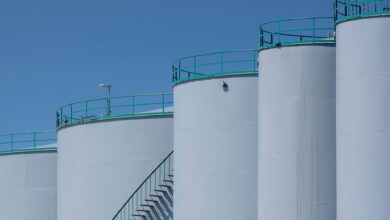
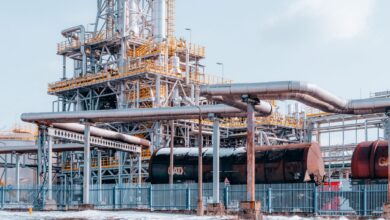
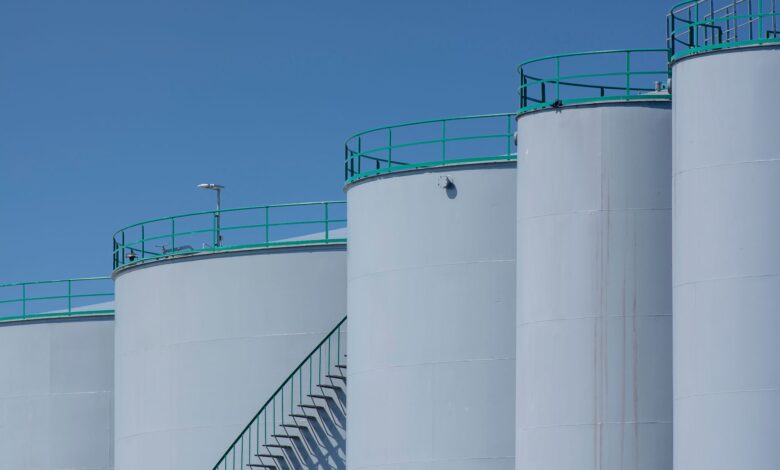
Butane storage terminal leases are not the kind of asset that shows up in earnings calls or investor presentations. They are industrial, unglamorous, and deeply technical – the sort of infrastructure that sits between refineries and distribution networks, invisible to consumers but indispensable to the energy supply chain. That invisibility is precisely why sovereign wealth funds have been moving into this space with so little public attention.
Over the past several years, a growing number of state-backed investment vehicles – particularly those tied to Gulf Cooperation Council nations, Norway, and several Asian sovereign funds – have been acquiring long-term lease positions in liquefied petroleum gas storage terminals, with butane capacity forming a substantial portion of those holdings. The strategy does not involve buying the terminals outright. Instead, these funds are securing multi-decade lease agreements that give them priority access to storage capacity, effectively locking in throughput rights at a time when energy transition pressures are reshaping how hydrocarbons move through global logistics networks.
It is a strategy built for patience, not headlines.
Why Butane, Why Now
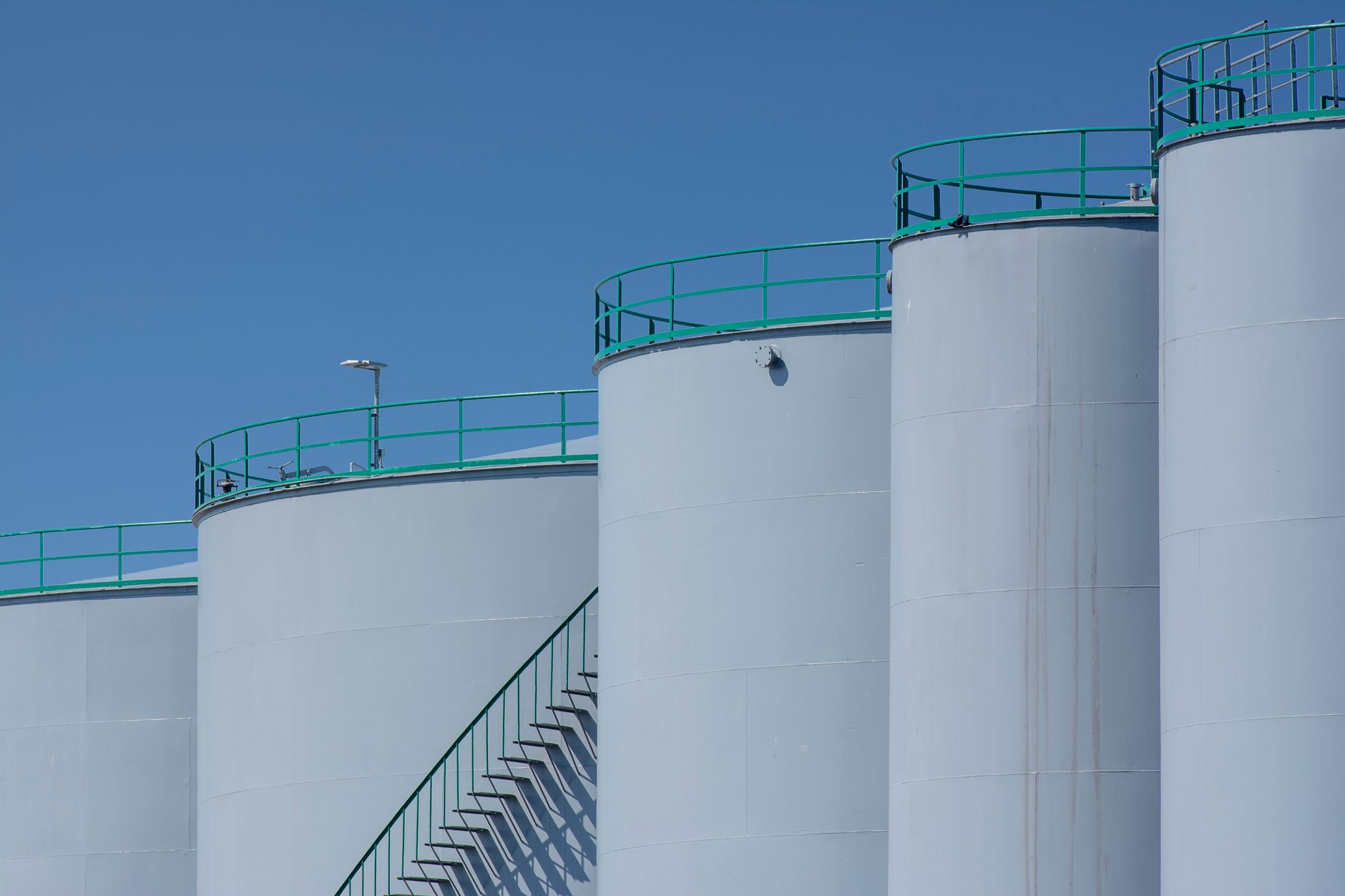
Butane occupies a specific and durable niche in the energy economy. It is a feedstock for petrochemicals, a blending component for gasoline, and the primary fuel source for hundreds of millions of households across South Asia, Africa, and parts of Latin America who rely on LPG for cooking. Demand in those regions has not softened – it has grown steadily as rural electrification programs lag and urban migration continues. Sovereign funds with long time horizons have taken note of this structural demand floor, which provides the kind of predictability that equities and even most fixed income instruments cannot.
Terminal leases, specifically, offer a financial profile that looks more like real estate than commodity trading. A lease agreement on a butane storage facility typically runs 15 to 30 years, with inflation-linked pricing adjustments and volume commitments from counterparties that include major trading houses and national oil companies. The revenue is not tied directly to the spot price of butane – it is a capacity payment, closer to a toll road than a commodity bet. That distinction matters enormously to funds whose mandates require capital preservation alongside returns. This is a similar logic to what has driven pension funds to build exposure to methanol terminal leases – the underlying asset class shares much of the same cash flow architecture.
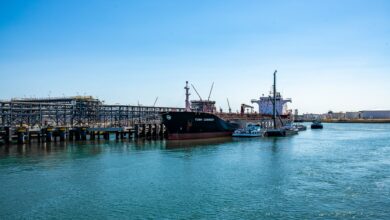
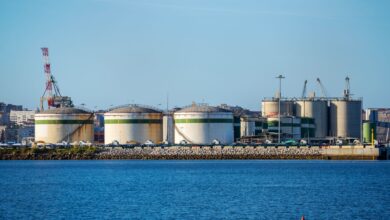
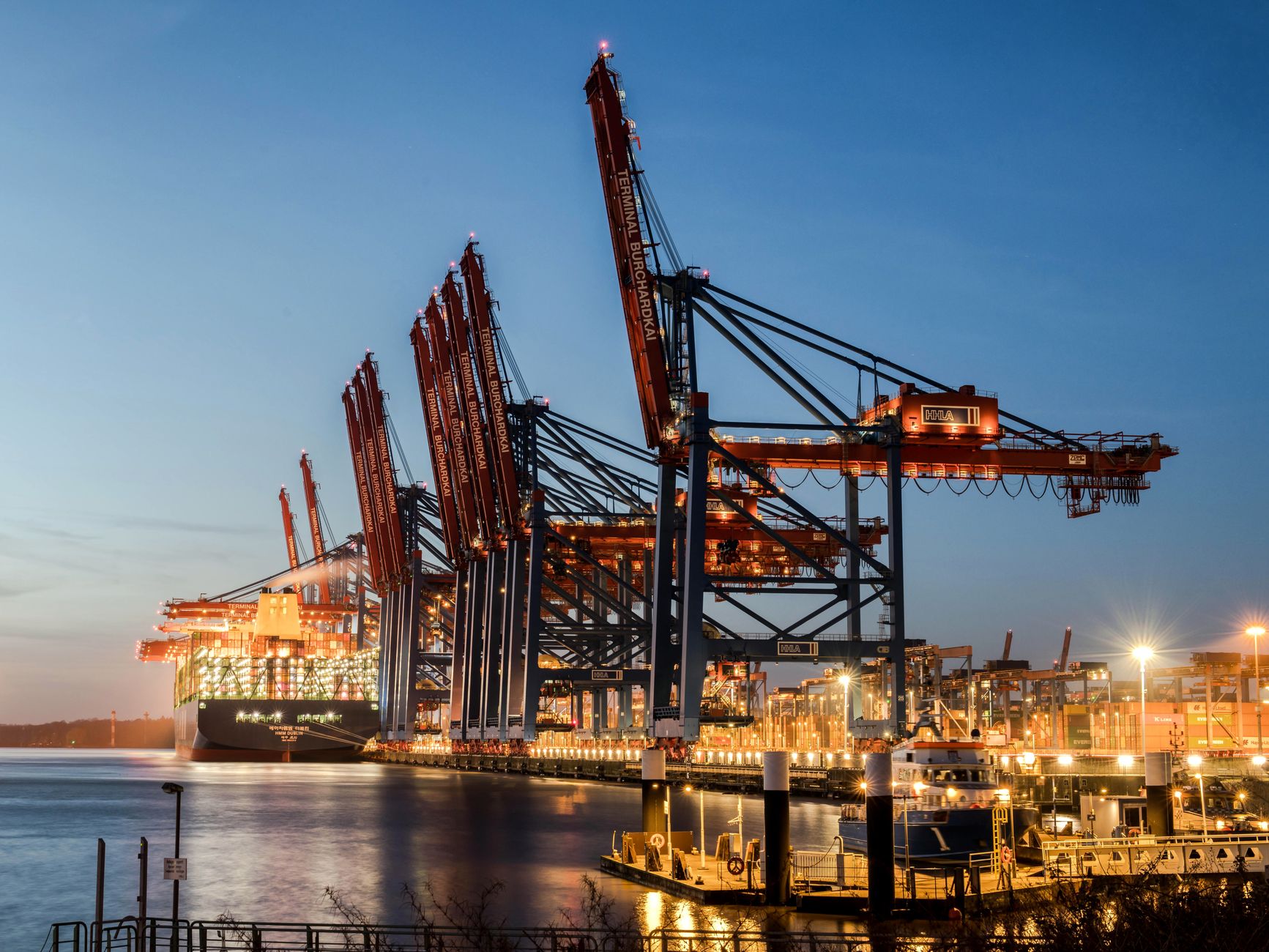
The geographic concentration of activity tells its own story. Terminals in Rotterdam, Fujairah, Singapore, and several West African port cities have seen elevated interest from sovereign capital in recent deal cycles. These are not peripheral facilities – they are nodes in the global LPG trading network where geographic position alone justifies the asset premium. A storage terminal in Fujairah, for instance, sits at the intersection of Middle Eastern production and Asian demand, making its capacity valuable independent of any particular price environment.
The Structural Appeal of Long-Lease Infrastructure
What makes terminal leases attractive to sovereign wealth funds is the same feature that makes them difficult for retail investors to access: they are structurally illiquid, require deep counterparty relationships, and involve regulatory environments that vary significantly by jurisdiction. These barriers effectively limit competition to a small pool of well-capitalized, long-duration investors. Sovereign funds, with their permanent capital bases and existing relationships with port authorities and national energy companies, are among the few institutions that can navigate this space without needing short-term liquidity or quarterly performance benchmarks.
The lease structure also provides inflation protection that has become increasingly valuable. Most long-term terminal agreements include annual escalation clauses tied to producer price indices or, in some cases, direct links to regional energy price benchmarks. When inflation runs hot, the lease payments adjust upward. When it moderates, the baseline capacity revenue remains. That asymmetry is not accidental – it is a deliberate feature that terminal operators have built into contract templates to attract the exact type of institutional capital that can commit to decade-long horizons.
There is also a supply constraint angle that reinforces the thesis. Building new butane storage capacity near major ports requires environmental permitting, community approvals, substantial capital expenditure, and years of construction lead time. In many established port locations, zoning restrictions and neighborhood opposition effectively cap the development of new terminals. Existing capacity, therefore, carries a scarcity premium that tends to compound over time rather than erode. Sovereign funds acquiring lease rights today are, in effect, securing access to assets that cannot easily be replicated at any price.

The Longer Game
The political dimension of these acquisitions rarely surfaces publicly, but it is never entirely absent. A sovereign wealth fund that controls lease positions in strategically located butane terminals is not just earning yield – it is securing optionality over energy logistics corridors that may become more contested as LPG’s role in the energy mix shifts. For nations that both produce and consume LPG at scale, owning the storage infrastructure on the other end of the supply chain is a form of supply chain diplomacy. The returns are real, but so is the strategic value of knowing that your nation’s feedstock supply has a guaranteed place to sit while markets settle. That is the kind of calculation that does not fit neatly into a discounted cash flow model – and that is exactly why it keeps happening away from the financial press.