
The Quiet Accumulation
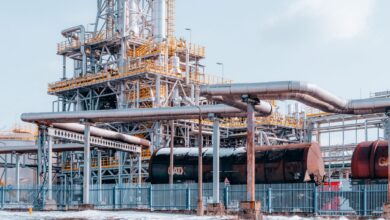
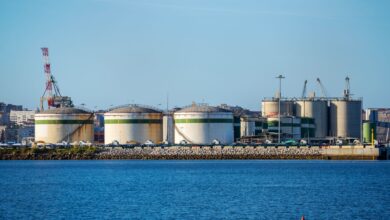
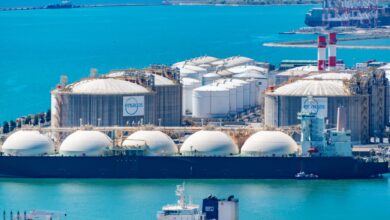
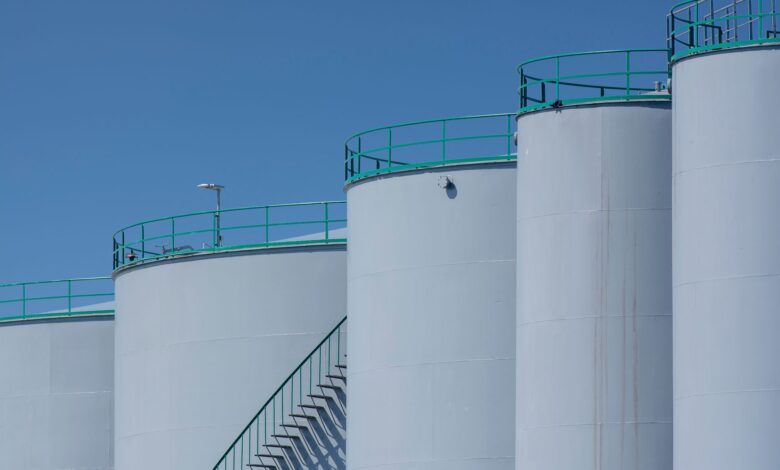
Pension funds managing retirement savings for teachers, municipal workers, and state employees have begun allocating capital to a corner of infrastructure that rarely makes headlines: crude oil tank farm leases. These are long-term agreements granting the right to occupy and operate large above-ground storage facilities, typically located near refinery hubs, port terminals, or pipeline interconnects. The appeal is straightforward – fixed lease income, long contract durations, and an asset class that sits outside the volatility of public equity markets.
The shift is happening quietly, through private infrastructure vehicles and real asset funds rather than direct acquisition. Pension allocators are not buying tank farms outright. They are buying the income streams attached to them, packaged through fund structures that aggregate multiple leases across geographic regions. The result is a slow but steady build in institutional exposure to physical crude oil storage infrastructure at a time when that infrastructure carries growing strategic value.
Why Storage Infrastructure Generates Reliable Income
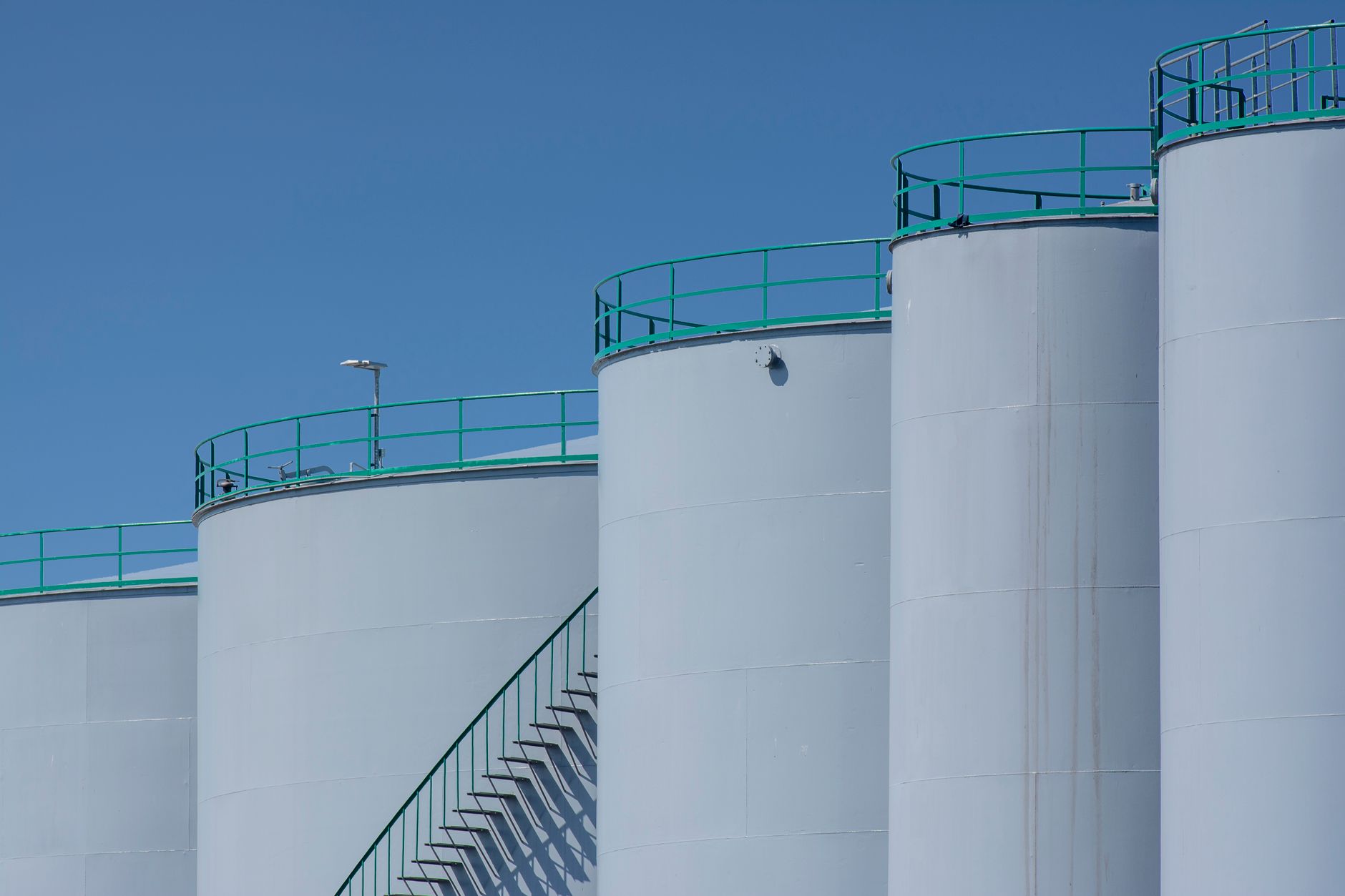
Tank farm leases operate on a fundamentally different logic than commodity trading. The pension fund is not betting on the price of crude oil. It is betting that crude oil will continue to move through the physical system – from wellhead to refinery, from port to pipeline – and that whoever moves it will need places to store it along the way. Storage is a toll on the flow of energy, not a wager on its price. That distinction is what makes the income stream attractive to liability-driven investors who need predictable cash flow over multi-decade horizons.
Long-term lease structures, sometimes running 10 to 20 years with fixed escalators tied to inflation indices, provide the kind of duration matching that pension actuaries require. A fund with obligations payable in 2040 and 2045 benefits from assets that generate income on a similar timeline. The lease payments come from oil majors, trading houses, and midstream operators who need guaranteed storage capacity to manage their own logistics. These counterparties tend to be investment-grade entities, which keeps the credit risk profile within bounds that institutional investment committees can approve.
There is also a scarcity dynamic at work. Permitting new tank farm construction near major port terminals or refinery corridors is an increasingly difficult regulatory undertaking. Environmental review processes, community opposition, and land availability near existing infrastructure hubs all constrain new supply. Existing permitted capacity therefore carries a premium that is not easily replicated by a competitor willing to write a check. For pension funds, that scarcity is a form of capital protection – the asset they hold becomes harder to displace over time, not easier.

How Funds Are Structuring the Exposure
The entry point for most pension funds is through dedicated infrastructure funds or real asset sleeves within larger alternative investment allocations. These vehicles pool capital from multiple institutional investors and acquire lease positions across a portfolio of storage sites, spreading operational risk across geography and counterparty. A single tank farm lease in the Gulf Coast might sit alongside positions in the Midwest or the Pacific Northwest, giving the fund exposure to different crude grades, transportation corridors, and regional supply-demand conditions.
This is structurally similar to how institutional capital has moved into ammonia terminal leases – packaging individual infrastructure agreements into pooled vehicles that offer diversification without requiring each investor to source and underwrite individual assets. The fund manager handles counterparty negotiation, lease administration, and regulatory compliance. The pension fund receives quarterly distributions and holds a limited partnership interest that shows up in the alternatives allocation on their annual report.
The Macro Context Driving Institutional Interest
Global crude oil demand has not collapsed on the timeline that many energy transition models projected a decade ago. Refinery throughput remains substantial across Asia, the Middle East, and parts of Europe where electrification of transport is advancing more slowly than in North American policy discussions. That persistent physical demand means the storage infrastructure supporting crude movement stays utilized. Tank farms with high utilization rates generate stronger lease renewal leverage for landlords, and institutional investors holding those leases benefit accordingly.
There is also an energy security argument that has gained traction since supply disruptions in 2021 and 2022 reshaped how governments and corporations think about physical commodity buffers. Countries and companies alike have placed renewed value on domestic storage capacity as a hedge against import disruption. That policy environment, where strategic reserve expansion and private storage incentives have become more common, strengthens the case for owning infrastructure that sits at the intersection of physical supply chains and national energy policy.
Interest rate dynamics add another layer to the calculus. When bond yields were near zero, long-duration infrastructure income looked especially attractive. As rates have moved higher, the comparison is less automatic – fixed-income alternatives now compete more directly with infrastructure yields. Yet tank farm leases with inflation escalators maintain relevance because they offer a real return component that nominal bonds do not provide. A lease that escalates with the Consumer Price Index preserves purchasing power in a way that a fixed coupon does not, which still makes it a useful portfolio tool even in a higher-rate environment.
What pension fund investment committees are navigating now is the question of counterparty concentration. If a significant portion of lease income flows from a small number of oil majors or trading houses, a credit deterioration at one of those counterparties creates outsized exposure. Fund managers are responding by diversifying the lessee base within their portfolios, mixing large investment-grade operators with smaller regional midstream companies that hold strong balance sheets in their own right. The construction of that lessee mix is where the real underwriting work happens – and where the difference between a well-managed infrastructure fund and a poorly structured one becomes visible over time.
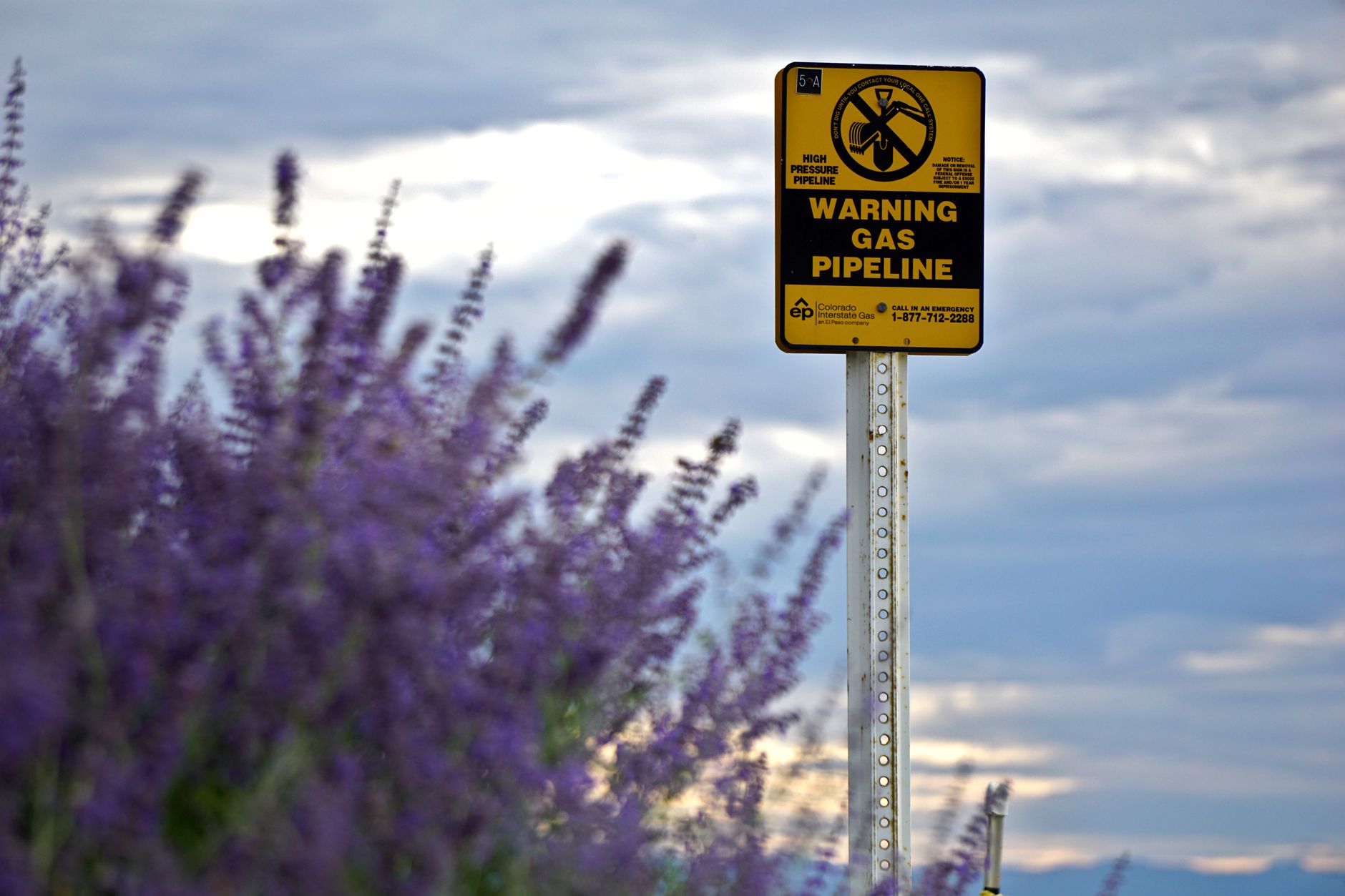
The pension funds moving into this space are not making a statement about the long-term future of fossil fuels. They are making a narrow, specific bet: that crude oil will move through pipes, ports, and refineries for long enough to justify a 15-year lease agreement, and that the infrastructure required to store it along the way will remain both necessary and constrained in supply. That bet does not require optimism about oil’s role in 2050. It requires confidence in its role through 2038 – a distinction that separates energy transition ideology from infrastructure investment math.