Sovereign Wealth Funds Quietly Accumulate Stakes in Tin Smelter Offtake Rights


The Quiet Play Nobody Is Talking About
Sovereign wealth funds are moving into one of the most obscure corners of commodity markets: offtake rights tied to tin smelters. It is not the kind of deal that makes front-page headlines, but the accumulation is real, and the strategic logic behind it is hard to ignore.
Why Tin Offtake Rights, and Why Now
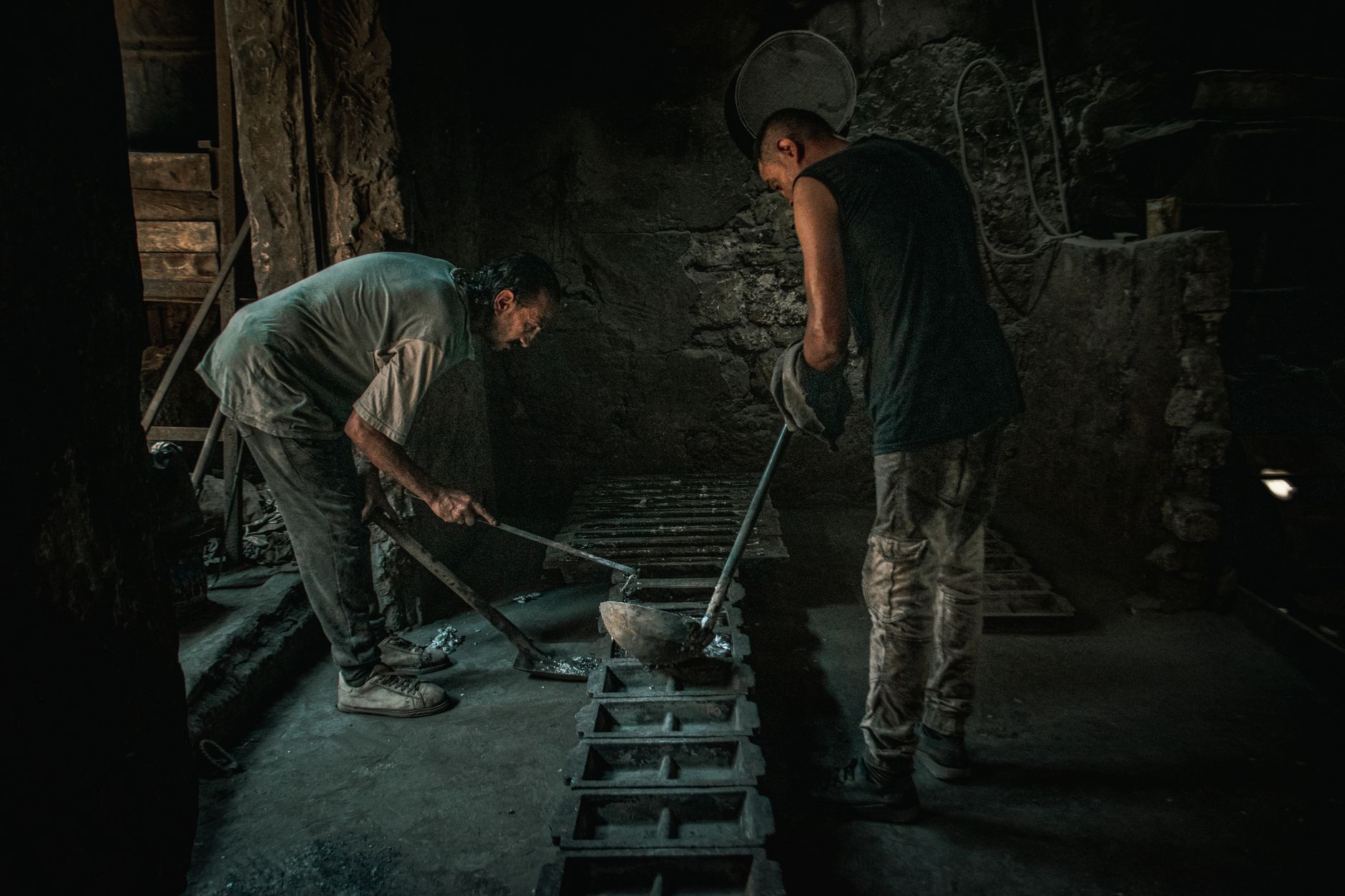
An offtake agreement, for those outside the mining finance world, is a contract that gives the holder the right to purchase a set volume of refined metal from a producer at agreed terms, often before that metal ever reaches an open exchange. When a sovereign wealth fund acquires a stake in those rights, it is not buying the smelter itself. It is buying a guaranteed claim on future output, typically at pricing structures that sit below spot market rates during periods of supply tightness. That gap between contracted price and spot price is where the value lives.
Tin is a relatively small market by volume compared to copper or aluminum, but it punches well above its weight in terms of industrial relevance. The metal is a core input in solder used for printed circuit boards, which means every semiconductor, every electric vehicle control unit, and every server rack contains tin. As the electronics supply chain has expanded and reshored across Southeast Asia, Europe, and North America, demand forecasts for refined tin have moved consistently upward. Production, by contrast, has not kept pace. The largest smelting operations remain concentrated in Indonesia, China, and a handful of processing facilities in Bolivia and Myanmar, all of which carry varying degrees of geopolitical and logistical risk.
Sovereign funds from the Gulf, Southeast Asia, and Scandinavia have been the most active, according to deal structures becoming visible through regulatory filings in Singapore, the Netherlands, and the UK. The approach mirrors the strategy some funds have taken with crude oil royalty streams – acquiring rights that generate returns tied to commodity output without taking on the operational headaches of running the underlying asset. With tin, the added appeal is scarcity: there are only a limited number of smelters globally with enough throughput capacity to make offtake rights worth structuring at institutional scale.
The timing is not accidental. Several long-term offtake contracts signed in the 2010s are coming up for renegotiation, and the original counterparties – often trading houses or mid-tier mining companies – are in a weaker position than they were a decade ago. Sovereign funds, with their long investment horizons and patient capital, are stepping in as replacement buyers of those rights, sometimes at premium terms but with the durability that a trading house simply cannot offer.

The Structure of These Deals and What They Deliver
The mechanics of a tin smelter offtake stake vary, but the most common structure involves a fund acquiring a minority interest in a special purpose vehicle that holds the contract itself. This keeps the fund at arm’s length from the physical commodity while still giving it economic exposure to the price differential. In some arrangements, the fund also provides pre-financing to the smelter in exchange for a discounted offtake rate, effectively functioning as a lender while capturing commodity upside. It is a structure that blends fixed income characteristics with commodity optionality, and that combination is genuinely attractive to funds managing long-duration liabilities like pension obligations or national reserve targets.
The returns depend heavily on the spread between contracted offtake price and prevailing spot prices on the London Metal Exchange. Tin spot prices have been volatile, swinging between roughly $17,000 and $48,000 per metric ton over the past five years. A fund locked into offtake rights at a contract floor built during a lower-price period benefits enormously when spot prices spike. That asymmetry is the core of the thesis: the downside is bounded by contractual minimums, and the upside is open-ended as long as demand for electronics and solder materials continues to grow.
There is also a supply chain security angle that appeals to funds with mandates tied to national industrial policy. A Gulf sovereign fund acquiring offtake rights from a Southeast Asian tin smelter is not just making a financial bet – it is ensuring that its home country has a preferred claim on a critical industrial metal if global supply chains tighten further. This blending of financial return and strategic resource access is increasingly common across commodity markets, and tin is a natural fit because its market is small enough that even a modest capital commitment can secure a meaningful share of available output.
Not all of these positions are being taken through direct negotiation. Some funds are acquiring stakes through secondary market purchases of existing offtake agreements, buying out trading firms or mining finance vehicles that originally structured the deals. The secondary market for tin offtake rights is illiquid by design – these agreements were never built to trade – but that illiquidity is precisely why pricing can be favorable for well-connected institutional buyers with the legal teams capable of navigating the transfer documentation.
Risk is real and not evenly distributed. Smelter counterparty risk is significant in markets like Indonesia and Bolivia, where regulatory changes, labor actions, and export policy shifts can disrupt production schedules regardless of what any contract says. A fund holding offtake rights against a smelter that cannot produce is holding paper. The funds most active in this space are the ones doing deep operational due diligence on smelter capacity, management quality, and regulatory standing before committing capital – not simply buying the financial structure and hoping the underlying works out.
What This Signals About Commodity Strategy Going Forward
The accumulation of tin smelter offtake rights is part of a wider pattern in which state-backed investment vehicles are moving earlier in commodity supply chains, closer to the physical asset and the production decision. Rather than buying shares in mining conglomerates listed on public exchanges, these funds want direct economic exposure to specific output streams, with contractual protections that equity ownership does not provide. It is a more complicated trade to execute and a harder position to explain to oversight boards, but it delivers something that public market exposure simply cannot: a locked-in claim on physical supply at a defined cost basis.
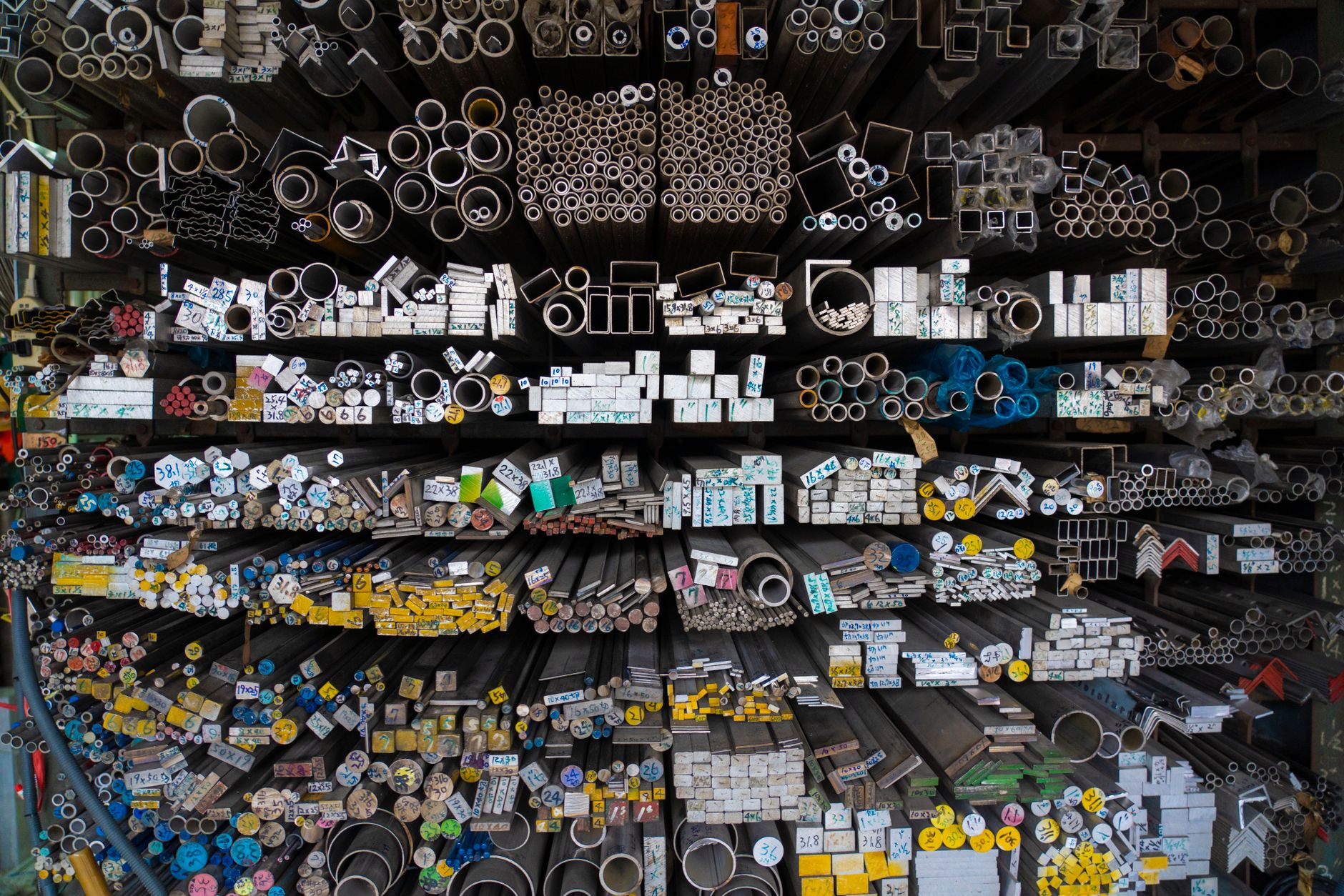
The funds that moved first into tin offtake are now sitting on positions that would be nearly impossible to replicate at the same terms. The smelters with real throughput capacity are largely spoken for, and new smelting infrastructure takes years and significant capital to build. Any fund looking to enter this market today is bidding against counterparties who got there in 2022 and 2023 – and who have no particular reason to sell.