
Sovereign Wealth Funds Quietly Acquire Positions in Electricity Transmission Easements

The Ground Beneath the Grid
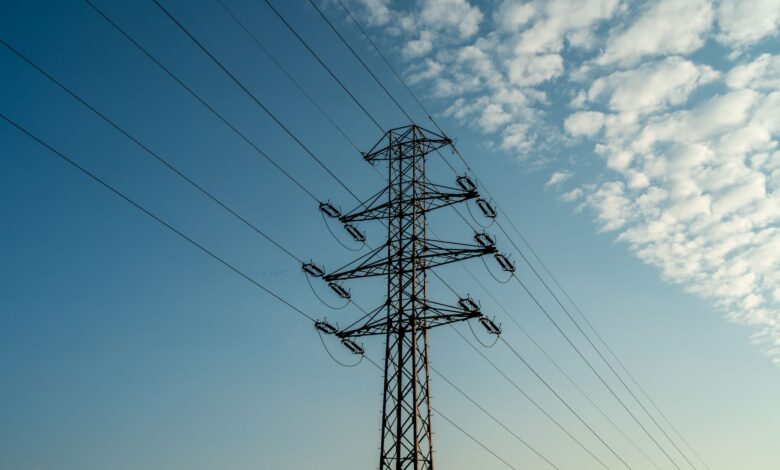
Electricity transmission easements are not glamorous assets. They are strips of land – sometimes only a few hundred feet wide – where high-voltage power lines cross private property, farmland, and forest. The utility company holds the right to operate and maintain those lines; the landowner retains title but cannot build on or obstruct the corridor. For decades, these rights sat in utility balance sheets, rarely traded and almost never considered an investment category on their own. That is changing.
Sovereign wealth funds from the Gulf states, Norway, Singapore, and several Asian economies have been quietly acquiring stakes in portfolios of transmission easements, either directly or through infrastructure vehicles that bundle these rights into structured positions. The acquisitions rarely make headlines because they are structured as minority stakes in holding companies, not outright land purchases, and disclosure requirements in most jurisdictions are limited for passive infrastructure investors. The assets move without fanfare.
What draws state-backed capital to a right-of-way in rural Ohio or a transmission corridor cutting through the Texas panhandle is not speculation – it is duration.
Why Easements, Why Now
Transmission easements carry contractual terms that can run 50 to 99 years, sometimes in perpetuity. For a fund managing multigenerational wealth obligations – a pension liability stretching to 2070, or a national reserve fund designed to outlast the oil economy – that duration is the point. The underlying cash flow is not dramatic: easement holders collect access fees and renegotiation premiums when utilities upgrade lines or add capacity. But the cash flow is indexed to infrastructure activity, which tends to move with inflation, and it is backed by physical necessity rather than consumer preference.
The United States alone is forecast to require several trillion dollars in new grid investment over the coming decades to support electrification of transportation, industrial processes, and heating systems. Every new line, every upgraded substation, every grid expansion touches an easement. When a utility needs to string a second circuit across an existing corridor, or widen the right-of-way to accommodate larger towers, the easement holder sits at the table. That renegotiation moment – often triggered by the utility’s own capital plan – is where long-term easement holders capture value that was invisible at acquisition.
Sovereign funds are not alone in recognizing this. Endowments have been building exposure to toll road concession rights using similar logic: lock in a legal claim on essential infrastructure activity, then collect as usage and upgrade cycles intensify. Transmission easements apply the same principle to the grid rather than the highway.
How the Positions Are Structured
Direct acquisition of easements by foreign state-owned entities faces meaningful regulatory scrutiny in the United States, particularly near military installations or critical infrastructure nodes. That scrutiny has pushed sovereign capital into indirect structures. A common approach involves investing through a domestic infrastructure fund that aggregates easement portfolios from utilities, rural landowners, and right-of-way developers. The sovereign fund holds a limited partner position; the general partner handles compliance, negotiation, and asset management. The foreign capital is present but not visible at the asset level.
A second structure involves preferred equity or mezzanine debt in companies that specialize in acquiring and leasing back transmission corridors from utilities that want to free up balance sheet capital. The utility sells its easement interest, leases it back under a long-term agreement, and continues operating the lines as before. The investor holds the legal interest and the income stream. This sale-leaseback model, familiar from commercial real estate, has been adapted for linear infrastructure assets with considerable success. It suits sovereign wealth capital particularly well because the risk profile – long-term contracted income, essential service, regulated counterparty – matches the liability structure of sovereign funds almost exactly.
The Committee on Foreign Investment in the United States reviews deals that could give foreign entities control over critical infrastructure, and transmission assets fall within its scope. Minority positions below certain ownership thresholds, held through U.S.-domiciled funds, have generally not triggered mandatory review. Lawyers working in this space describe a deliberate structuring discipline: stay passive, stay indirect, stay below the threshold that requires disclosure. The strategy works precisely because transmission easements have not historically been considered sensitive in the way that semiconductors or telecommunications are. That perception may not survive much longer.
The Risk No One Prices
Easement portfolios carry one risk that even sophisticated sovereign fund managers may be underweighting: political renegotiation. Transmission easements are contracts, but they exist within a regulatory environment that states and federal agencies can reshape. If grid investment becomes a national security priority – and the political rhetoric is already moving in that direction – Congress or state legislatures could impose new rules on foreign ownership of transmission-related rights, potentially requiring divestiture or restructuring of positions that were legally acquired. That is not a hypothetical; it is the pattern that played out in farmland investment after several states enacted restrictions on foreign agricultural land ownership.
There is also a subtler tension between the patient capital thesis and the operational reality of aging grid infrastructure. Easement value depends on utilities actually upgrading and expanding lines – which requires regulatory approval for rate recovery, which in turn depends on state utility commissions approving capital expenditure plans. In states with aggressive rate suppression policies, utility capital spending has lagged, leaving easement holders with contracted rights that generate limited renegotiation opportunities. A sovereign fund that acquires easements across a geography with historically hostile utility regulation may wait a very long time for the upgrade cycle that the investment thesis assumes is coming.
The deeper question is whether the grid build-out that justifies these positions will happen at the pace and scale the investment models assume – and whether the political environment will remain permissive enough for foreign state capital to hold these positions when it does.
Frequently Asked Questions
What are electricity transmission easements?
They are legal rights allowing utilities to operate power lines across private or third-party land, often lasting 50 to 99 years or in perpetuity.
Why are sovereign wealth funds interested in transmission easements?
The long duration, inflation-linked cash flows, and rising grid investment needs make easements attractive for funds managing multigenerational financial obligations.