

The Invisible Infrastructure Play
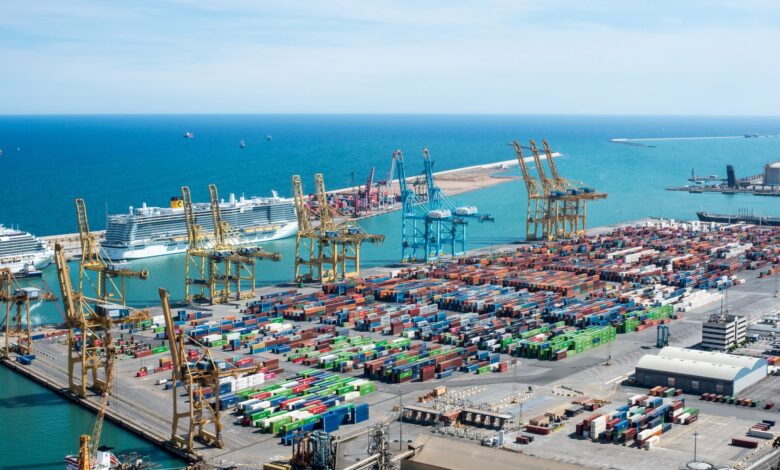
Port dredging rights occupy a strange corner of global infrastructure finance – unglamorous, technical, and almost never discussed in mainstream investment coverage. Yet a growing number of sovereign wealth funds have been quietly building positions in these rights over the past several years, treating waterway access as a long-duration asset class with characteristics that bond markets simply cannot replicate. The logic is straightforward: as container ships grow larger, ports that cannot accommodate them become economically irrelevant, and the entities that control dredging rights sit at the center of every decision about who gets access and at what cost.
Dredging rights are not a single instrument. They can take the form of concession agreements with port authorities, equity stakes in dredging contractors with long-term exclusive contracts, or direct ownership of the legal permissions tied to specific shipping channels. Each structure carries different risk profiles, but all of them share one feature that sovereign capital finds attractive: they are extraordinarily difficult for new entrants to replicate.
The asset is boring by design.
Why Sovereign Funds Are Moving Here
Sovereign wealth funds operate on time horizons that most private investors find uncomfortable. A fund managing national oil revenues or pension obligations for a government with a 40-year outlook does not need quarterly returns – it needs assets that hold value across political cycles, inflation regimes, and technological disruption. Dredging rights, structured correctly, check every one of those boxes. Port infrastructure does not become obsolete the way software does. It does not get disrupted by a startup. And the demand for deeper shipping channels is, if anything, accelerating as global trade volumes grow and vessel sizes increase.
The financial structure of these investments also appeals to sovereign capital. Dredging rights often generate revenue through access fees, maintenance contracts, or royalty-style arrangements tied to cargo tonnage. That last structure is particularly appealing because it links returns directly to trade volume rather than to any single counterparty’s financial health. A fund holding tonnage-linked rights at a major Southeast Asian or Gulf Coast port is, in effect, holding a fractional claim on the movement of global commerce through that corridor. This is a similar strategic logic to what drives sovereign wealth fund accumulation of LNG terminal easements – control over the physical chokepoints through which energy and goods must flow.
There is also a regulatory moat embedded in these assets that rarely gets discussed openly. Dredging operations require environmental permits, Army Corps of Engineers approvals in the United States, and equivalent regulatory sign-offs in most jurisdictions worldwide. Those permits take years to obtain and are frequently contested. An investor who already holds grandfathered rights is protected from competition by a bureaucratic wall that no amount of capital can simply purchase away. Sovereign funds, with their tolerance for slow-moving regulatory processes, are better positioned than most private equity firms to sit through that timeline.
The Geography of Accumulation
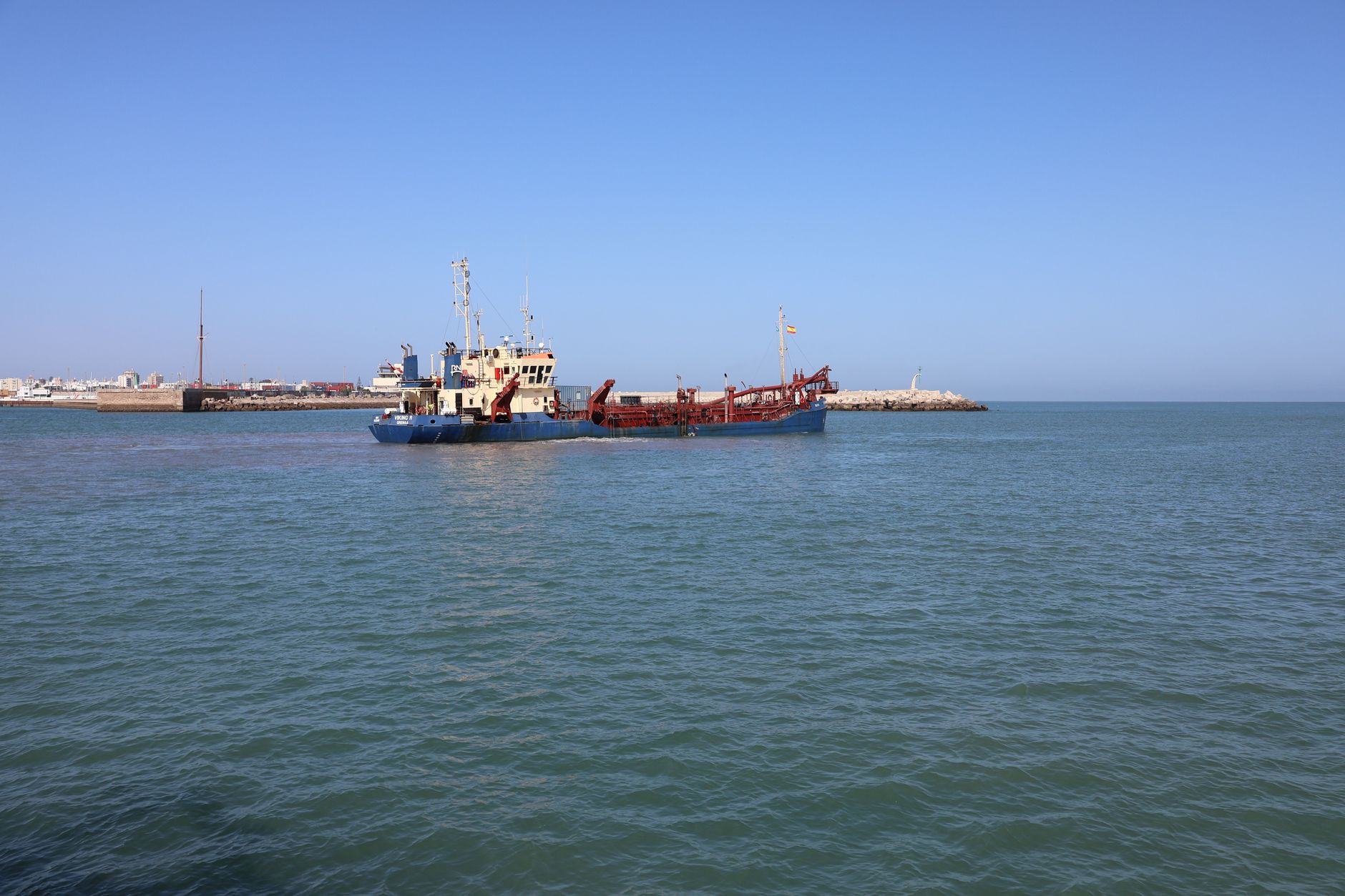
The concentration of sovereign interest in port dredging rights has not been random. Activity has clustered around ports facing known capacity constraints – particularly those serving regions where trade volumes are projected to grow faster than port infrastructure can currently handle. Southeast Asian shipping corridors, West African coastal hubs, and select Gulf of Mexico approaches have drawn the most attention. In each case, the underlying driver is the same: a port that cannot be deepened quickly enough to accommodate next-generation vessels becomes a bottleneck, and bottlenecks generate pricing power for whoever controls access to the solution.
Middle Eastern sovereign funds have been particularly active, though their structures tend to favor indirect exposure through infrastructure holding companies rather than direct concession agreements. This approach provides political insulation – a Gulf state fund taking a direct concession at a strategically sensitive port would attract regulatory scrutiny in a way that a fund-of-funds structure typically does not. Norwegian and Singaporean vehicles have shown more appetite for direct agreements, particularly in jurisdictions where bilateral investment treaties provide legal comfort. The geographic spread of these positions also reflects a deliberate diversification strategy: no single port failure or regional disruption should be capable of materially affecting the overall portfolio.
What makes this accumulation particularly quiet is the disclosure environment. Unlike equity stakes in publicly traded companies, concession agreements and dredging right transfers frequently do not trigger public reporting requirements. A sovereign fund can build a substantial position across multiple port jurisdictions without a single mandatory filing appearing in a searchable database. This opacity is not necessarily improper – it mirrors the disclosure standards applied to most private infrastructure investment – but it does mean that the full scale of sovereign accumulation in this space is, by definition, unknown from the outside.
What This Means for Global Trade Infrastructure
The long-term implication of sovereign capital concentrating in dredging rights is that a class of assets historically controlled by port authorities, municipal governments, and specialized contractors is quietly shifting toward national-level ownership structures with different incentive sets. A port authority optimizes for regional economic development and shipping throughput. A sovereign fund optimizes for risk-adjusted return. Those objectives overlap often enough that conflict is not inevitable – but they do not overlap completely, and the cases where they diverge will determine whether this capital concentration is ultimately a stabilizing or distorting force in global port economics.
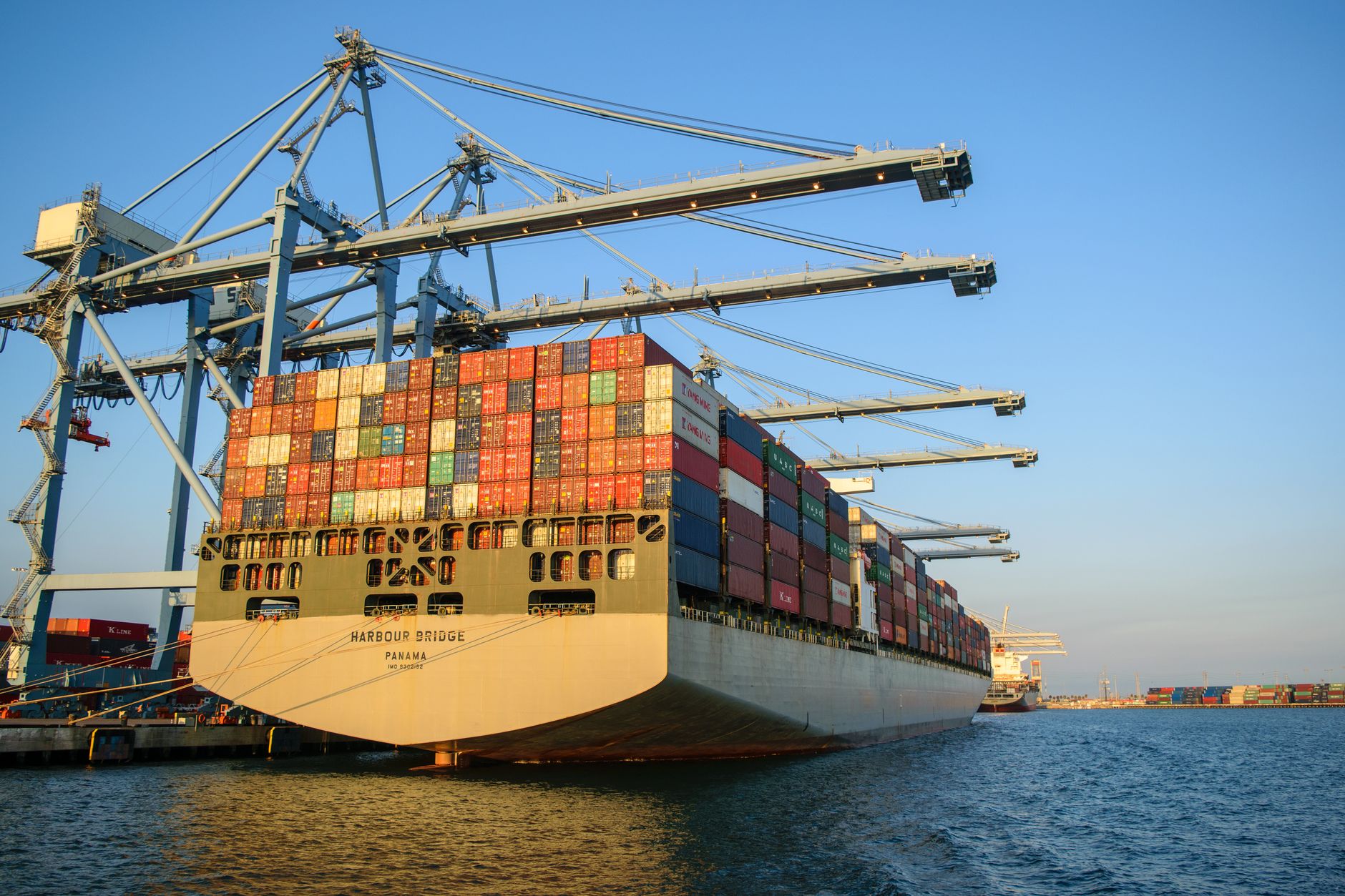
The more immediate question is whether this wave of sovereign acquisition will drive up the cost of port deepening projects that municipal and regional port authorities are trying to fund on their own balance sheets. If sovereign-held dredging rights become a toll on port expansion – a cost that must be negotiated before any new depth can be achieved – smaller ports in developing economies may find themselves priced out of the very upgrades they need to compete. That scenario has not yet materialized in any documented case, but the structural conditions for it exist wherever sovereign-held rights sit upstream of a port authority’s expansion plans.