


The Invisible Infrastructure Play
University endowments and large charitable foundations are quietly building exposure to one of the most overlooked asset classes in institutional investing: the legal rights to run fiber optic and broadband conduit through private and public land. These easements – strips of legally protected corridor that carry the physical backbone of internet connectivity – are starting to attract serious capital from institutions that have spent decades perfecting the art of finding yield where others are not yet looking.

Why Easements, and Why Now
A broadband conduit easement grants the holder the right to install, maintain, and lease access to underground conduit – the physical pipe through which fiber optic cables run – across a defined strip of land. The landowner retains title. The easement holder controls the infrastructure corridor. It is a narrow legal instrument, but it generates something endowments deeply value: long-duration, inflation-linked cash flow with almost no operational complexity once the conduit is in place.
The investment logic is straightforward. Demand for fiber capacity is not cyclical in any meaningful sense. Broadband traffic has grown every year for two decades, driven by video streaming, cloud computing, remote work, and now artificial intelligence workloads that require constant data movement between facilities. Telecom carriers, data center operators, and government broadband programs all need conduit access. When they cannot build new routes – because permitting is slow, land acquisition is expensive, or rights-of-way are already occupied – they lease space inside existing conduit. That makes a well-positioned easement portfolio function more like a toll road than a traditional real estate asset.
The inflation protection angle matters just as much to institutions managing multigenerational portfolios. Conduit lease agreements are commonly indexed to CPI or negotiated with fixed annual escalators, typically in the range of two to three percent annually. For an endowment managing a 30-year spending horizon, that built-in escalation is structurally attractive in a way that flat-yield fixed income simply is not. Add to that the near-zero vacancy risk on routes connecting dense population centers or major data center corridors, and the risk-adjusted math becomes difficult to ignore.
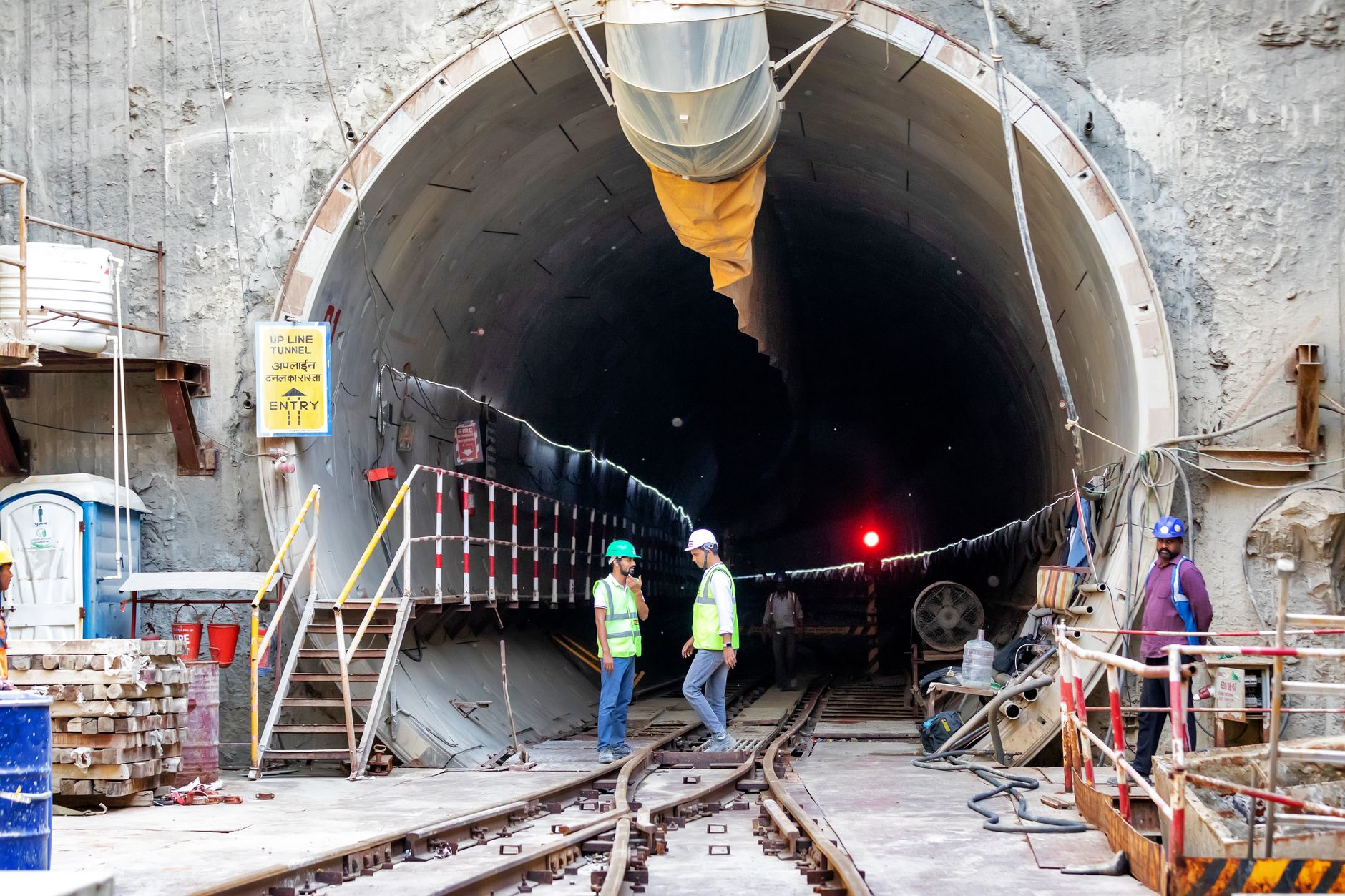
There is also a scarcity dynamic at work that is not always visible from the outside. Municipalities and state transportation authorities have largely stopped granting new right-of-way access across high-traffic corridors. In many cases, the conduit that exists under a major highway or rail line is the only conduit that will ever exist there. Whoever controls that corridor controls a geographic monopoly on a specific route – an economic position that endowments have historically paid significant premiums to own in other infrastructure categories. The parallel to toll tunnel concessions, where physical geography creates permanent bottleneck value, is direct and well understood by infrastructure allocators.
How Institutions Are Getting Exposure
Direct ownership of easements at scale requires legal infrastructure, geographic expertise, and the ability to negotiate with landowners, municipalities, and telecom carriers simultaneously. Most endowments are not staffed to do that work internally, which is why the earliest institutional capital in this space has moved through specialized private funds rather than direct deals. A small number of infrastructure-focused managers have been assembling easement portfolios over the past several years, aggregating individual corridor rights into diversified pools that can be held as limited partnership interests.
The fund structures tend to look similar to other real asset vehicles – closed-end, 10-to-15-year duration, with distributions tied to lease income rather than asset appreciation. That income-first profile suits endowment spending policies, which generally require predictable annual distributions to fund university operations or grant programs. Unlike a development-stage infrastructure project that might deliver returns only at exit, a conduit easement portfolio generating active lease revenue can match spending policy needs from early in the fund’s life.
Some larger endowments with dedicated infrastructure teams are beginning to explore co-investment alongside these funds, taking direct stakes in specific high-value corridors. This approach reduces fee drag and allows the institution to concentrate more capital in routes they have conviction on – typically long-haul fiber paths connecting major metros, or last-mile conduit in dense urban markets where new permitting is essentially impossible. The diligence required is granular: legal review of each easement’s terms, technical assessment of conduit capacity, and analysis of the lease roll in terms of tenant concentration and contract duration.
Secondary market activity in easement portfolios is still thin. This is partly a function of asset class age – many of these portfolios have not yet seasoned to the point where early investors need liquidity – and partly a function of the legal complexity involved in transferring easement rights across jurisdictions with different recording requirements. That illiquidity is a feature rather than a bug for a 30-year endowment with no pressure to mark assets to a public market, but it does mean that any institution entering the space needs to be comfortable with capital being committed for a full fund cycle without a clear exit window.
Valuation is another area where the asset class is still developing standardized practice. Unlike a cell tower portfolio, which has comparable transaction data stretching back decades, broadband conduit easements as a distinct institutional asset class are young enough that appraisal methodologies vary between managers. Some use discounted cash flow models anchored to current lease rates. Others use replacement cost analysis, estimating what a new entrant would need to spend to replicate a given route through permitting and construction. The gap between those two approaches can be wide, and institutions are right to push hard on valuation methodology before committing.
The Risk Layer That Gets Less Attention
The easiest risk to identify is technology obsolescence – the possibility that wireless or satellite delivery eventually reduces demand for terrestrial fiber capacity enough to compress conduit lease rates. The counter-argument, which most infrastructure managers make with conviction, is that wireless networks themselves run on fiber back to towers, and that every increase in wireless capacity generates a proportional increase in demand for the wired infrastructure behind it. Satellite broadband adds another layer of complexity, but ground-based fiber conduit remains the lowest-cost, highest-bandwidth option for fixed locations and carrier interconnection. The obsolescence case is not compelling over the medium term, though over a 30-year horizon, nothing in technology is truly risk-free.

The more immediate risk is regulatory. Easement rights are governed by a patchwork of state property law, local permitting regimes, and federal right-of-way policy that can change without much warning. A municipality that decides to reclaim a conduit corridor for road widening or a different infrastructure use creates a legal dispute that may take years to resolve – and while the easement holder typically has legal protection, the income stream is disrupted during litigation. Institutions building positions in this space are watching closely as federal broadband funding programs under the BEAD initiative push states to build new public conduit networks that could, in some markets, introduce a competing supply of government-owned conduit at subsidized rates. Whether that competes with or complements privately held easement portfolios depends entirely on where the new public conduit gets built and how aggressively states choose to price access.
Frequently Asked Questions
What is a broadband conduit easement?
It is a legal right to install and lease access to underground conduit – the pipe carrying fiber optic cables – across a defined strip of land, without owning the land itself.
Why are endowments interested in conduit easements?
They offer long-duration, inflation-linked lease income with low operational complexity, and routes in dense or restricted corridors carry near-permanent scarcity value.