

The Quiet Land Grab Reshaping Biomass Energy Finance
A growing number of hedge funds are moving into an asset class most investors have barely registered: long-term land leases tied to biomass energy production. The positions are being built quietly, through private transactions that rarely surface in public filings, but the scale and consistency of the activity suggests a coordinated bet on the intersection of rural land, energy policy, and carbon accounting.

Why Biomass Land Leases Are Suddenly Attractive
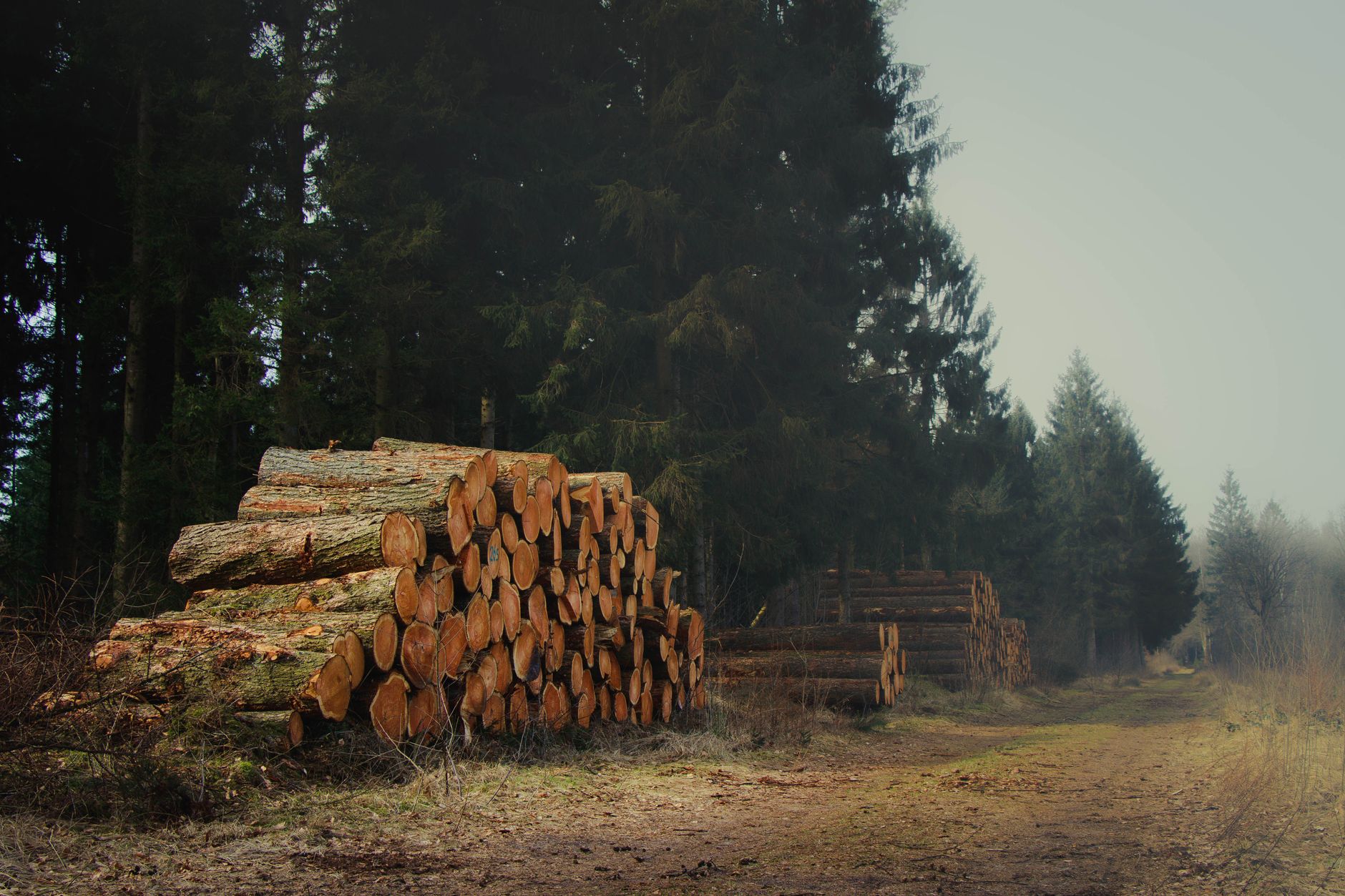
Biomass energy – power generated from organic material like wood pellets, agricultural waste, and dedicated energy crops – requires something that solar and wind do not: a continuous, managed supply of raw material grown or harvested on land. That dependency creates a financial instrument that functions less like a technology investment and more like a real estate play with an energy income layer on top. For hedge funds that specialize in real assets, that combination is difficult to ignore.
The structure of a biomass land lease typically involves a fund acquiring long-term rights to a parcel – sometimes 20 to 40 years – while a biomass operator manages the agricultural or forestry activity on site and pays rent based on production output or a fixed schedule. The land itself retains value independent of the energy market, which gives the investment a floor that pure energy bets lack. When biomass production is healthy, the income layer adds yield on top of land appreciation. When it underperforms, the fund still holds a physical asset with alternative uses.
Regulatory tailwinds are also part of the calculation. Several U.S. states and the European Union classify certain forms of biomass as renewable energy, making them eligible for subsidies, renewable energy credits, and carbon offset recognition. That classification is contested in some scientific and policy circles, but for the purposes of the investment thesis, it means the revenue stream has multiple potential sources – not just electricity sales, but also green certification income and carbon market payments. Hedge funds structuring positions around all three revenue streams are essentially running a diversified income strategy on a single parcel of land.
The interest is not confined to the United States. Funds are reportedly acquiring lease rights in the Baltic states, parts of Southeast Asia, and the American South – regions where timber and agricultural land is abundant, labor costs for biomass cultivation are manageable, and proximity to existing wood pellet export infrastructure reduces logistics friction. The American South in particular has become a concentration point, given its established pellet export industry and deep inventory of available timberland.
The Financial Architecture Behind the Strategy
What makes this strategy worth examining closely is the layered financial structure hedge funds are using to build exposure. Rather than purchasing land outright – which is capital-intensive and illiquid – many funds are acquiring lease rights through special purpose vehicles that pool multiple parcels across different geographies and biomass feedstocks. This pooling approach distributes risk and creates an asset with enough scale to attract institutional co-investors, including some pension funds that have already been building exposure to infrastructure-linked lease assets in adjacent categories.
The SPV structure also allows hedge funds to sell portions of the vehicle to secondary buyers without dissolving the underlying lease portfolio. That liquidity mechanism is central to the pitch: investors get exposure to a long-duration real asset but retain a pathway to exit that doesn’t require selling land on the open market. It mirrors the financial engineering that made ground lease portfolios attractive in commercial real estate – the separation of the land interest from the operational activity on top of it.
Carbon accounting adds another dimension that is still being priced in. Biomass operations that meet certain sustainability criteria can generate carbon credits, either through avoided deforestation claims or through verified sequestration models tied to replanting programs. Hedge funds with sophisticated carbon desk operations are treating these credits as an embedded option within the lease structure – not the primary investment thesis, but a potential return enhancement if carbon markets tighten and credit prices rise. The optionality is cheap to hold and potentially significant if policy support for voluntary carbon markets strengthens.
There is also a currency dimension that institutional investors rarely discuss publicly. Biomass land leases denominated in local currencies in Eastern Europe or Southeast Asia give dollar-based funds a built-in hedge against certain dollar strength scenarios, while also accessing land markets where prices remain far below comparable U.S. timberland. A fund that can lease productive forestry land in Lithuania or Malaysia at a fraction of the cost of equivalent acreage in Georgia or Alabama has a structural cost advantage that doesn’t disappear even if biomass energy policy shifts.
The mechanics of how these leases are priced reveal how specialized this market remains. Unlike public REITs with transparent net asset value calculations, biomass land lease portfolios are valued using proprietary models that incorporate timber yield projections, feedstock price forecasts, regulatory credit assumptions, and local land market comparables. Valuations from one fund to the next can differ significantly for functionally similar portfolios, which gives skilled operators room to find mispriced leases – and gives unsophisticated buyers room to overpay badly.
The Risks That Don’t Get Mentioned in the Pitch Deck
The policy risk embedded in biomass classification is real and tends to be underweighted in fund marketing materials. The EU’s renewable energy framework has been subject to ongoing revision, with sustainability criteria for biomass tightening repeatedly over the past decade. A fund that locked in lease economics based on a specific subsidy regime could find those assumptions invalidated mid-lease by regulatory changes that reclassify certain feedstocks or impose new sourcing requirements. Unlike wind or solar, where the technology is fixed, biomass revenue depends heavily on what governments decide counts as “sustainable” in any given year.
There is also the question of what happens when the energy transition accelerates past biomass. If battery storage and grid-scale solar continue to fall in cost, the economic rationale for biomass baseload power weakens – and with it, the operator’s ability to meet lease payment obligations. The land retains value, but the income layer that justified the premium acquisition price could erode faster than models currently assume. Funds that have layered leverage onto these positions to juice returns would face a particularly uncomfortable unwinding if operator defaults cluster during a biomass price downturn.

Who Is Actually Buying
The clearest signal of where this is heading comes from the profile of the buyers. The funds accumulating biomass land lease positions are not generalist macro funds making a clean energy bet. They tend to be real assets specialists, natural resources-focused vehicles, and alternative credit managers who already have experience pricing long-duration land rights in agriculture or forestry. Several funds that built positions in timberland in the 2010s are using that expertise as a template, treating biomass leases as a yield-enhanced version of the timberland thesis with a more complex income stack.
Family offices and small institutional allocators are starting to follow. The entry price for a meaningful position in a biomass lease SPV is generally lower than direct timberland ownership, and the managed structure appeals to investors who lack the operational capacity to manage agricultural land directly. Whether that broadening of the investor base reflects genuine conviction or a late-cycle reach for yield in a crowded real assets market is a question the next commodity cycle will likely answer.
Frequently Asked Questions
What are biomass energy land leases?
They are long-term agreements giving investors rights to land used for biomass energy production, such as forestry or agricultural waste operations, while operators pay rent tied to output or fixed schedules.
Why are hedge funds interested in biomass land leases now?
The strategy offers a combination of physical land value as a floor, energy income as yield, and carbon credit optionality – appealing to real assets specialists seeking diversified long-duration returns.