

The Quiet Land Rush Beneath the Surface
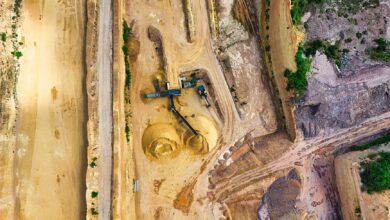
University endowments and large institutional foundations have been acquiring peat extraction leases at a pace that has drawn little public attention but considerable interest from a narrow circle of commodity-focused asset managers. The positions are being built through private placement structures, often routed through blind-pool vehicles that keep the underlying land rights off the front page of annual reports. Peat – the partially decomposed organic material that accumulates over millennia in waterlogged bogs – sits at an odd intersection of energy, agriculture, and carbon markets, which is precisely why institutional capital is circling it now.
The strategy is not entirely new, but the scale and the profile of the buyers represent a departure from historical norms. Peat leases were once the domain of regional energy companies in Finland, Ireland, and the Baltic states, along with a handful of Scottish horticultural suppliers. Institutional endowments – the kind managing tens of billions in university or foundation assets – rarely appeared on these lease registries. That is changing, quietly and deliberately.

What Peat Actually Offers as an Asset
Peat serves multiple commercial purposes that make it attractive from a portfolio diversification standpoint. In horticulture, it remains a primary growing medium for commercial agriculture and consumer gardening, with demand holding steady across Northern Europe and growing markets in East Asia. In energy, peat is still burned for electricity generation in Ireland and parts of Eastern Europe, though that use is declining under environmental pressure. The third use – and the one drawing the most institutional interest – is its role in carbon sequestration accounting. Intact peatlands store more carbon per hectare than tropical forests, and the emerging voluntary carbon credit market has assigned real financial value to preserved peat deposits.
This creates a dual-track asset. A lease holder can generate cash flow through extraction rights while simultaneously holding optionality on a carbon credit future. If extraction becomes politically or economically unviable, the same land can potentially be rewetted and monetized through carbon offset programs. The optionality is the point. Endowments with 30 to 50-year investment horizons are not buying peat leases to turn an immediate profit on horticultural peat; they are buying the flexibility to pivot between extraction value and conservation value depending on which market prices higher over the next two decades.

How the Positions Are Being Built
The mechanics of accumulation matter as much as the motivation. Most endowment exposure is not coming through direct lease ownership, which would require managing extraction operations and navigating local environmental regulations. Instead, the capital flows through royalty structures and lease aggregation funds – vehicles that resemble the royalty streaming model that has become standard in endowment exposure to nitrogen terminal leases and other commodity infrastructure plays. The fund acquires the lease, handles operational relationships, and pays institutional investors a royalty on any production or a fixed return tied to land value appreciation.
This structure insulates the endowment from reputational blowback. Peat extraction is politically sensitive in ways that, say, timber or agricultural land is not. Environmental organizations have mounted sustained campaigns against commercial peat harvesting across the British Isles and Scandinavia, arguing that bog destruction accelerates carbon release at a scale that outweighs any economic benefit. A university endowment seen directly owning peat harvesting rights would face a predictable cycle of student protest and media scrutiny. The blind-pool vehicle sidesteps that exposure, at least until disclosure requirements force the position into public filings.
The geographic concentration of these leases is worth noting. The active accumulation appears concentrated in the Baltic states – Estonia and Latvia in particular – where peat deposits are extensive and lease rights are cheaper than in Western Europe. Ireland, which has a long history of state-sponsored peat extraction through Bord na Mona, is also seeing secondary market activity as legacy leases come up for reassignment following that company’s strategic shift away from peat energy. Canadian boreal peat deposits have attracted interest as well, though the regulatory environment there is more complex and the carbon accounting frameworks less settled.
The timing connects to a broader pattern in how large endowments are repositioning natural resource exposure. After years of reducing direct energy holdings under ESG pressure, some institutions are finding that the binary framing of “fossil fuels vs. clean energy” leaves out a category of assets that don’t fit cleanly into either bucket. Peat is not a fossil fuel in the strict geological sense, and its conservation use case gives portfolio managers a narrative hook that pure extraction plays cannot offer. Whether that framing holds up under scrutiny from ESG auditors or activist shareholders is a different question entirely.

The Carbon Credit Wildcard
The voluntary carbon market’s treatment of peatland restoration is still being standardized, and that uncertainty cuts both ways. On one hand, verified peatland carbon credits have traded at premiums in recent years, with buyers – particularly corporate net-zero programs – willing to pay more for sequestration credits tied to high-integrity ecosystems than for more generic forestry offsets. On the other hand, methodological questions about baseline calculations and permanence risk have caused some credit registries to tighten standards, leaving projects in limbo mid-development.
Endowment managers acquiring peat leases are essentially betting that standardization arrives before regulatory hostility does. If the voluntary market matures into a functioning compliance framework – something that carbon market reformers have been pushing for without a firm timeline – then rewetted peat deposits become genuinely valuable carbon assets, and the lease positions accumulated today appreciate accordingly. If the carbon credit market fragments further or faces a credibility collapse from over-claimed offsets, the extraction value alone has to justify the investment, and on that metric, the case is considerably thinner.
There is also the question of how long extraction remains legally viable in the target geographies. The EU’s Nature Restoration Law, passed in 2024, includes specific provisions around peatland rewetting targets, and member states are under pressure to reduce active peat harvesting acreage over the coming decade. Lease holders in Estonia and Latvia are watching that regulatory trajectory closely. A lease that looks profitable under current extraction rights could lose significant value if national implementation of EU restoration targets compresses the operational window to less than a decade.
For endowments already in the position, the exit strategy is not obvious. Private lease markets are thin, and finding a counterparty willing to absorb a large portfolio of peat rights at favorable valuations requires either a strategic buyer from the energy or horticulture sector or a carbon project developer willing to underwrite the rewetting investment. Neither buyer type is abundant. The positions being built now may be easy to acquire and considerably harder to sell – which is either the classic illiquidity premium argument or a warning sign, depending on how the next regulatory cycle breaks.
Frequently Asked Questions
Why are endowments investing in peat extraction leases?
Peat leases offer dual value – cash flow from extraction rights and optionality on carbon credits if the land is rewetted, making them attractive for long-horizon institutional portfolios.
How do endowments avoid reputational risk from peat investments?
Most exposure is routed through blind-pool royalty vehicles that keep the underlying lease ownership off public annual reports, distancing the institution from direct operational association.