
The Quiet Accumulation Beneath the Surface
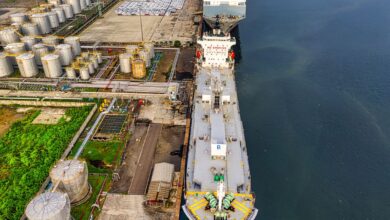
University endowments and large charitable foundations have been adding a specific, unglamorous energy asset to their portfolios: leasehold interests in underground crude oil storage caverns. These are not equity stakes in oil companies or futures contracts. They are contractual rights to space inside salt dome formations and engineered rock cavities – physical infrastructure that holds crude oil for pipeline operators, refiners, and trading firms. The asset class sits well below the radar of most retail investors, and that obscurity is precisely what makes it attractive to institutional allocators hunting for yield outside crowded markets.
The strategy is not new, but it has gained momentum as endowments face pressure to generate stable, inflation-linked returns without taking on the volatility that comes with publicly traded energy stocks. Cavern leases pay storage fees – often structured as long-term take-or-pay contracts – that function more like bond coupons than commodity bets. The underlying crude oil price matters far less than the throughput volume and the creditworthiness of the counterparty paying the storage bill.
Why Cavern Storage Works as an Institutional Asset
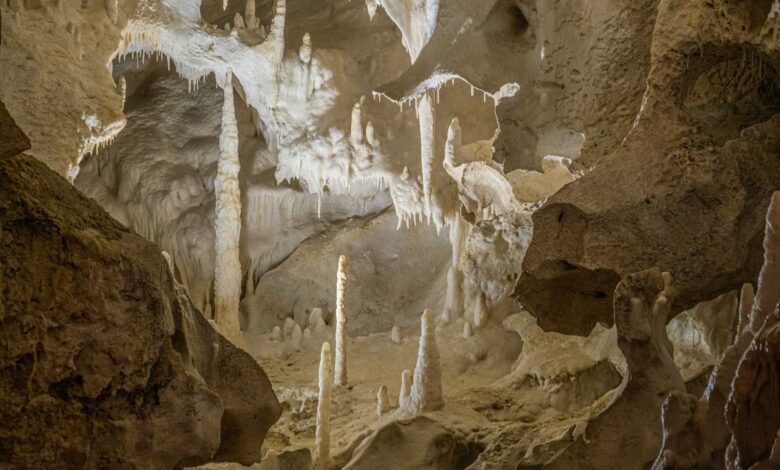
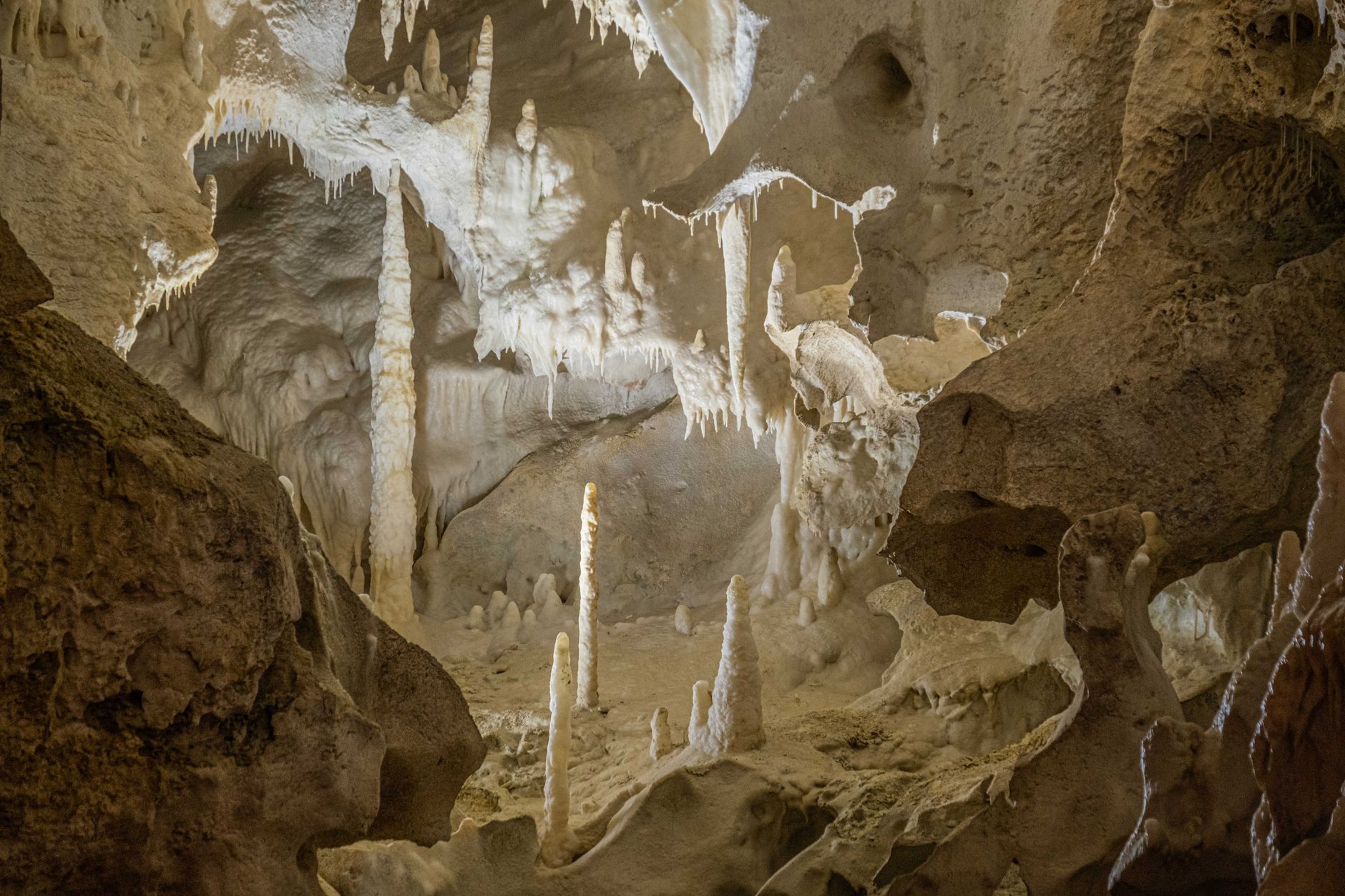
Salt dome caverns, concentrated along the U.S. Gulf Coast, have served as the backbone of American strategic and commercial oil storage for decades. The geology creates natural pressure containment, low maintenance costs, and extraordinary durability compared to above-ground tank farms. A cavern lease gives the leaseholder the right to collect fees for that space over a defined term, often 20 to 40 years, with renewal options baked in. For an endowment managing a multi-decade liability horizon, that duration alignment is a genuine structural advantage.
The cash flow profile resembles midstream infrastructure – steady, contractually protected, and largely disconnected from short-term oil price swings. An endowment that leases cavern storage capacity to a major pipeline operator or a crude oil trading desk receives a fixed or indexed fee regardless of whether West Texas Intermediate is at $60 or $90 per barrel. The operator needs the storage space to manage pipeline imbalances and logistical timing, so demand for the cavern does not evaporate with commodity prices.
How Endowments Are Structuring the Exposure
Direct lease ownership is one route, but most endowments access this asset through private infrastructure funds that aggregate multiple cavern interests across different operators and geographies. This pooling reduces single-site risk – a cavern that goes offline for remediation or regulatory review does not crater the whole position. Fund structures also handle the technical and legal complexity of cavern management, which requires specialized geological monitoring and compliance with pipeline safety regulations.
A smaller number of large endowments with dedicated real assets teams have moved toward co-investment alongside experienced operators. In these arrangements, the endowment provides capital for a specific cavern development or lease acquisition in exchange for a preferred return plus upside participation if throughput exceeds contractual minimums. This structure compresses fees compared to blind-pool fund vehicles and gives the allocator direct visibility into a single asset’s performance metrics.
Valuation is one of the more contested dimensions of this asset class. Because cavern leases rarely trade in secondary markets, pricing depends heavily on discounted cash flow models using assumed throughput rates and contract renewal probabilities. Two endowments holding economically similar leases could carry them at materially different marks depending on their modeling assumptions. That opacity cuts both ways: it insulates the asset from public market panic, but it also makes due diligence on fund managers unusually demanding.
Endowments that have studied this space also look closely at ammonia pipeline easements as a parallel infrastructure investment, where the logic of long-duration contractual cash flows applies in a similar way. The comparison is instructive: both asset types derive value from physical scarcity, geographic permanence, and the operational necessity of the counterparty.
Risks That Don’t Show Up in the Pitch Deck
The energy transition creates a slow-moving but real headwind. If crude oil throughput through Gulf Coast pipeline networks declines over a 20-to-30-year timeframe as liquid fuels lose market share, the demand for cavern storage capacity declines with it. A lease signed today with a 2045 expiration may look very different in its final decade than in its first. Endowments with long time horizons cannot simply assume the counterparty risk disappears because the contract is take-or-pay – a financially stressed operator in 2040 may seek renegotiation regardless of what the agreement says today.
Regulatory exposure is another underappreciated factor. Cavern storage operations fall under federal pipeline safety oversight, and any significant leak or subsidence event triggers not just remediation costs but potential suspension of operating permits. The leaseholder does not bear operational liability in most structures, but lease value can still be impaired if a cavern is idled for years during an investigation. Environmental due diligence on the cavern’s geological history and the operator’s safety record is not optional – it is the core of the underwriting.
Sizing and Portfolio Fit
Endowments incorporating cavern leases typically treat them as part of a broader real assets sleeve, alongside timberland, agricultural land, and energy infrastructure. Allocations tend to be modest in percentage terms – not because the return profile is weak, but because deal flow is limited and the asset requires patient deployment. You cannot simply increase a position by buying more shares. Each cavern lease is a discrete, negotiated transaction.
The illiquidity premium is the central argument for accepting these constraints. A cavern lease fund that cannot be redeemed for seven to ten years demands a return above what a liquid energy infrastructure ETF would deliver. Endowments that can genuinely live without that capital for a decade – which most large university funds can, given their perpetual mandate – have a structural edge over shorter-duration investors who might need to exit at an inconvenient time.
The endowments best positioned for this trade are those with enough committed capital to access co-investment opportunities directly, because the fund fee layer can meaningfully erode what is already a moderate absolute return. A 1.5% management fee on a long-duration infrastructure fund delivering 7% gross leaves less margin than it might appear after accounting for carried interest on the upside. At that level of compression, the operational and geological due diligence stops being a compliance formality and starts being the actual source of alpha.