
The Quiet Accumulation Nobody Is Talking About
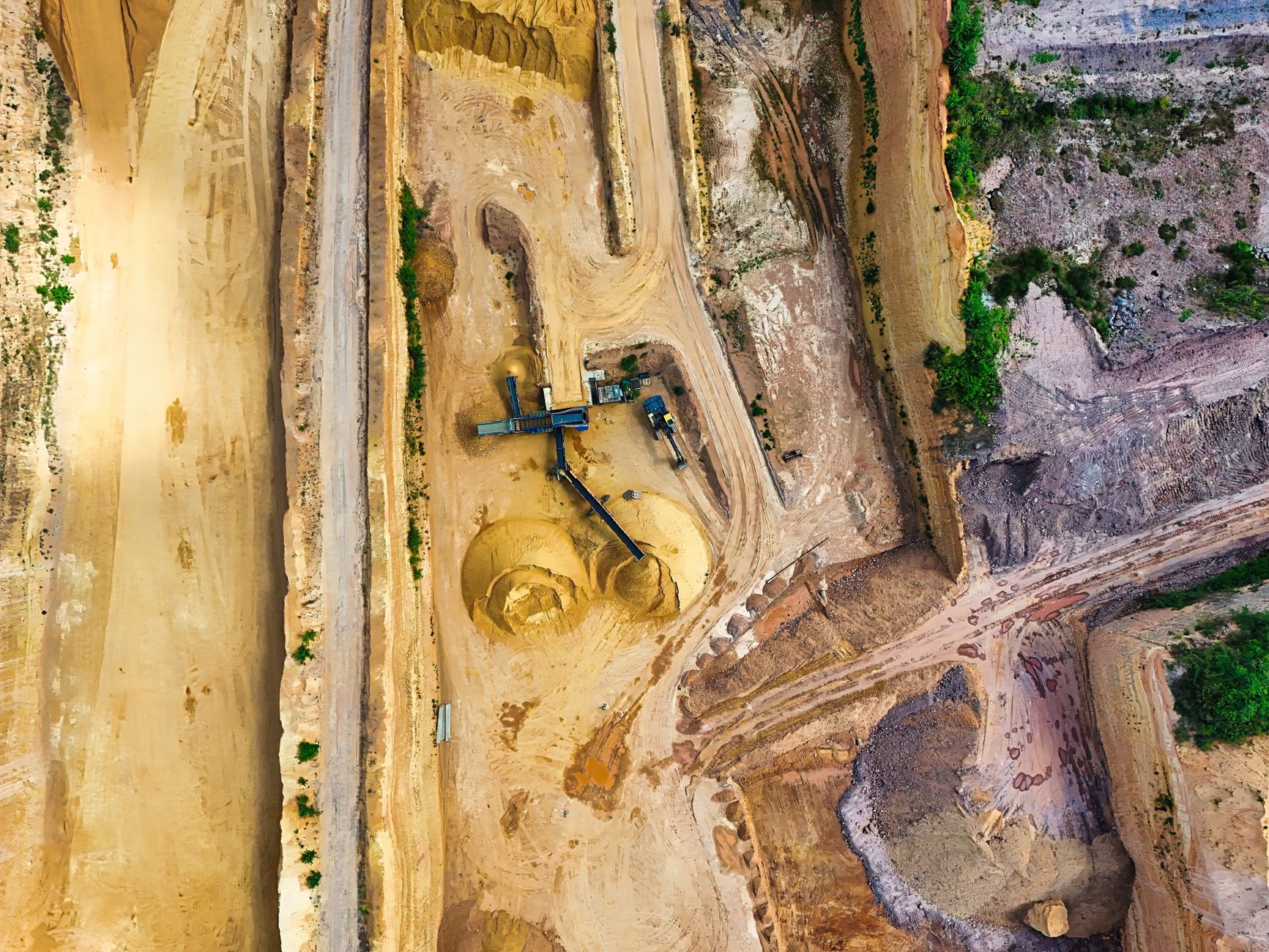
Phosphate rock sits at the base of global food production in a way that gets almost no attention from mainstream financial media. Every ton of synthetic fertilizer requires phosphate. Every acre of industrial farmland depends on it. And unlike nitrogen, which can be synthesized from air, phosphate must be mined – from a small number of deposits concentrated in Morocco, China, and a handful of other countries. That geographic reality is now drawing serious capital from hedge funds looking for hard-asset royalty exposure with agricultural tailwinds built in.
What is drawing attention is not phosphate mining equity – it is the royalty stream layer sitting above it.
Royalty structures in extractive industries allow investors to collect a percentage of revenue from mining operations without bearing the operational costs of running a mine. The model, long established in gold and silver, has migrated steadily toward agricultural inputs over the past several years. Phosphate rock royalties are now attracting a category of hedge fund that specializes in what might be called “toll road” investing: own the right to collect, not the obligation to produce.
Why Phosphate Royalties Work as an Investment Structure
The royalty model works in phosphate for the same structural reasons it works in precious metals. Mining is capital-intensive, operationally complex, and exposed to cost inflation in energy, labor, and equipment. A royalty holder clips a percentage of the gross revenue from a mine without touching any of those costs. If energy prices spike and the miner’s margins compress, the royalty holder still receives their cut of the top line. That asymmetry is exactly what risk-adjusted capital seeks – upside participation without the operational drag.
Phosphate has an additional layer of defensibility that precious metals lack: it has direct food security implications. Global population growth continues to pressure agricultural output, and phosphate-dependent fertilizers are not optional for high-yield modern farming. Several nations have already designated phosphate as a critical mineral, a classification that makes regulatory disruption of mining operations politically complicated and export restriction a geopolitical risk rather than a business risk. For royalty holders, geopolitical tension around supply can actually tighten pricing and increase royalty income without requiring any action on their part.
Investors drawn to potash royalty streams for similar agricultural reasons are now looking at phosphate as a logical extension of the same thesis. Both minerals are essential to fertilizer production, both face constrained geographic supply, and both fit into a royalty structure that strips out operational volatility while retaining commodity price leverage. The parallel positioning is not accidental – it reflects a deliberate strategy to build a portfolio of agricultural input royalties rather than a single-commodity bet.
Who Is Structuring These Deals and How
The actual mechanics of phosphate royalty acquisition are more varied than in gold, where standardized royalty agreements have decades of legal precedent. Some phosphate royalty arrangements are structured as net smelter return equivalents, calculated on the value of phosphate concentrate leaving the mine gate. Others are volume-based, collecting a fixed dollar amount per metric ton regardless of price movement. A smaller number are tied to downstream processing, capturing value at the point where phosphate rock becomes finished fertilizer product. Each structure carries a different risk profile, and sophisticated funds are mixing them deliberately.
The deals are being assembled through a combination of direct negotiation with mining operators, acquisition of legacy royalty agreements from early-stage exploration companies that needed cash, and structured finance arrangements with junior miners who cannot access traditional bank debt. In each case, the fund provides capital upfront in exchange for a long-duration income stream. Given that major phosphate deposits have operational lifespans measured in decades, the royalty agreements being written today are, in some cases, thirty-year instruments.
The concentration of global phosphate reserves creates a wrinkle that does not exist in, say, gold royalties. Morocco controls a disproportionate share of the world’s known reserves through its state-linked phosphate producer. Royalty deals tied to Moroccan operations therefore carry a sovereign dimension – political stability, export policy, and currency risk all become relevant variables. Funds navigating this have tended to prioritize royalty streams from North American and Middle Eastern deposits, accepting lower reserve size in exchange for cleaner political risk profiles.
The Structural Tension That Could Define Returns
Phosphate pricing is notoriously cyclical. The market saw dramatic price spikes in 2008 and again in 2021-2022, followed by steep corrections in both cases. Royalty structures cushion some of that volatility – a fund collecting a percentage of gross revenue at $90 per ton still collects something meaningful even when the cycle turns. But the royalty model does not eliminate price risk entirely, and the entry point for a long-duration royalty agreement matters enormously. Funds that locked in agreements at the height of the 2022 price spike are now holding instruments that generate lower absolute income than originally projected, even if the percentage terms are unchanged.
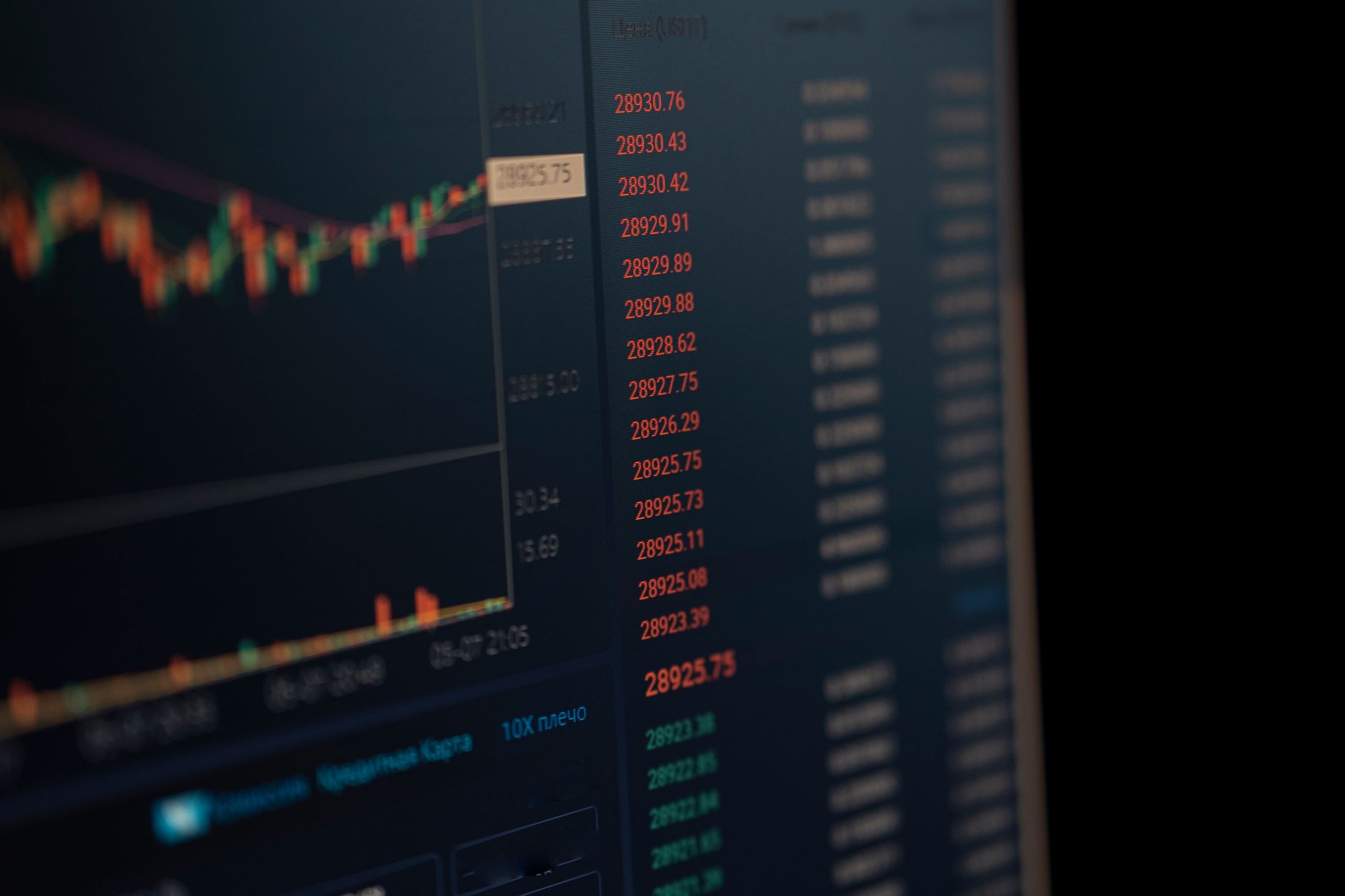
What makes the current positioning notable is that it is happening in a relative trough. Phosphate prices have pulled back from their 2022 peaks, which means the royalty agreements being structured now will generate income tied to prices that many agricultural economists believe are below long-run equilibrium given demand trajectories. A fund buying into a royalty stream at today’s prices is effectively making a call that the cycle will re-tighten before the agreement expires – and with a thirty-year instrument, that is not a dramatic prediction. It is almost a structural certainty that prices will cycle higher at least once. The question is how many cycles, and how long the troughs between them last.