
University endowments and large institutional foundations have spent the past several years quietly building positions in an asset class most investors have never heard of: seabed sand mining leases. The moves are largely invisible to public markets, structured through private vehicles and long-dated contracts, but the scale of accumulation is now drawing attention from within the alternative asset community.
Why Sand Became a Serious Asset Class
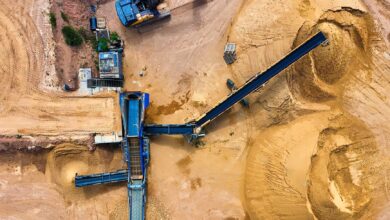
Sand is the second most consumed natural resource on Earth after water, and the construction-grade variety that actually matters for concrete, glass, and semiconductor manufacturing is not the kind blowing across desert dunes. It comes from riverbeds, beaches, and increasingly, the ocean floor. The specific grain shape and mineral composition of marine sand makes it suitable for high-strength concrete in ways that wind-eroded desert sand is not. This distinction is what transforms a seemingly mundane commodity into a controlled, finite resource worth holding.
Onshore sand sources in many parts of the world are either depleted, legally restricted, or both. India, Vietnam, and several Southeast Asian nations have banned or severely curtailed riverbed dredging in recent years due to ecological damage. That pressure has pushed demand toward offshore sources, where extraction rights are granted through government-issued leases – long-term licenses that function, in financial terms, like royalty streams tied to a physical commodity.
Endowments are drawn to this structure for reasons that have less to do with sand itself and more to do with the contractual architecture around it. A 25-year seabed lease issued by a coastal nation grants the holder the legal right to extract, sublicense, or sell access to that sand over the lease period. When paired with off-take agreements from construction conglomerates, the cash flow profile starts to resemble infrastructure – low correlation to equities, inflation sensitivity built in through commodity pricing, and limited liquidity that actually suits the long investment horizons of university pools.
The endowment model, popularized by Yale and its peers, has always favored illiquid, real-asset strategies with high barriers to entry. Seabed leases check those boxes almost by design. The regulatory complexity of acquiring offshore extraction rights in foreign jurisdictions deters most allocators, which is precisely the kind of friction that creates pricing inefficiency – and opportunity for institutions patient enough to navigate it.
How the Accumulation Is Happening
The positions are rarely held directly. Instead, endowments are coming in through a layered set of structures: private equity funds focused on marine resources, joint ventures with dredging companies, and in some cases, royalty financing arrangements where the endowment provides upfront capital in exchange for a percentage of future extraction revenue. The underlying lease stays in the name of an operating entity, keeping the institutional investor at arm’s length from the regulatory and reputational exposure of running an active mining operation.
Several mid-sized endowments – those managing between two and ten billion dollars – appear to be the most active. Larger pools have moved more cautiously, partly due to internal ESG review processes that flag extractive industries for additional scrutiny. But the mid-tier institutions, particularly those with smaller investment committees and less public visibility, have shown a willingness to move faster. The same dynamic played out a decade ago with farmland and timberland, where smaller endowments captured early positions before the asset class became crowded and institutional.
Geography matters considerably here. The most active lease markets are concentrated around the North Sea, parts of the South China Sea corridor, and coastal zones off West Africa where governments have offered long-term extraction licenses as part of broader infrastructure financing deals. In several cases, the lessor government receives an upfront royalty payment plus a per-ton extraction fee, giving them near-term budget revenue in exchange for ceding long-term resource control – a trade-off that has drawn criticism from environmental groups and some development economists.
The financial engineering around these positions has grown more sophisticated. Some funds are now securitizing lease cash flows, packaging extraction royalties into fixed-income instruments that can be sold to yield-seeking institutional buyers who might not otherwise touch a mining-adjacent asset. This creates a secondary market of sorts, allowing early lease holders to monetize positions without surrendering the underlying lease. For endowments that got in early, it is a mechanism to harvest returns while maintaining optionality on the physical asset.
The parallel accumulation by sovereign wealth funds in helium storage leases suggests this is not an isolated behavioral pattern but a broader institutional instinct – to identify physical resources governed by long-term government contracts and build positions before those markets develop liquidity and competitive pricing. Sand leases are still early enough that the spread between informed and uninformed pricing remains wide.
The Risks Institutions Are Accepting
The regulatory risk is real and not fully priced into most models. Seabed mining leases operate under a patchwork of international maritime law, national coastal authority, and bilateral agreements that can shift with political cycles. A government that issues a 30-year lease today can face internal pressure to revoke or renegotiate it within a decade if extraction becomes politically unpopular – and the legal remedies available to foreign institutional investors in that scenario are slow, expensive, and uncertain. Several endowments are reportedly building in force majeure provisions and political risk insurance, but neither offers complete protection against a determined sovereign counterparty.
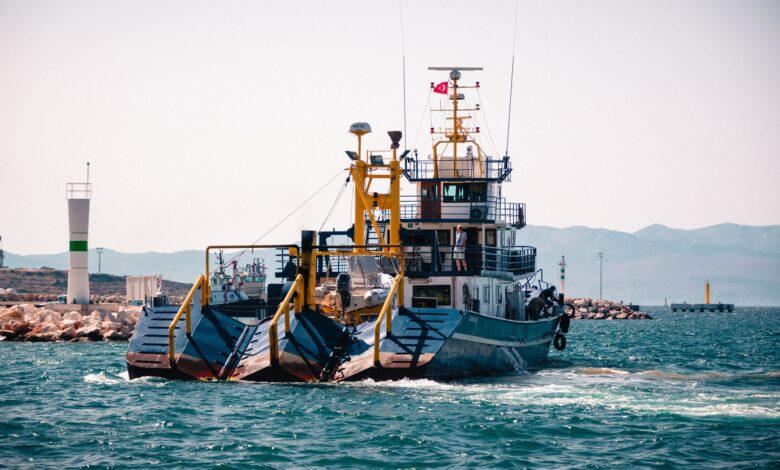
Environmental liability is the other variable that makes in-house counsel nervous. Marine dredging disrupts seafloor ecosystems, affects coastal sediment flows, and has been linked to accelerated beach erosion in communities near active extraction sites. If a future regulatory framework assigns cleanup liability to lease holders – even passive financial investors – the cost exposure could dwarf the royalty income generated over the lease term. That liability question remains genuinely unresolved in most jurisdictions.

What makes endowments willing to accept that uncertainty is the demand math sitting underneath the asset. Global construction activity is not declining, semiconductor fabrication requires high-purity silica sand in growing volumes, and the approved onshore supply is contracting. Whether the financial structure ultimately holds together depends on how governments, courts, and environmental regulators treat offshore extraction rights over the next two decades – a question with no clean answer yet.