

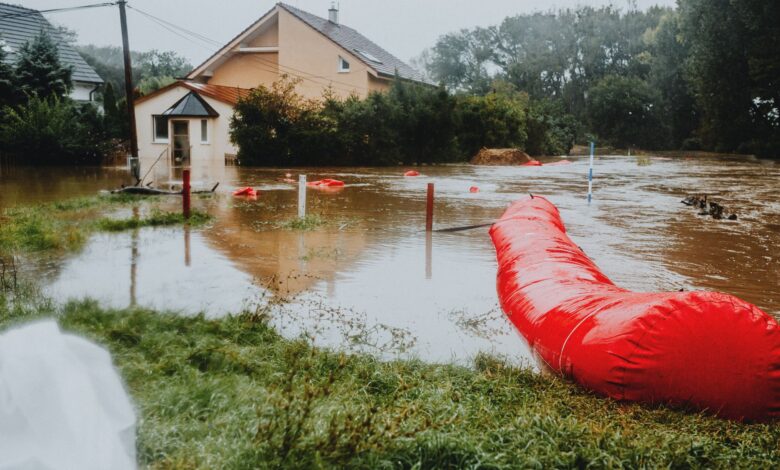
The Quiet Bet on Water That Flows Beneath Every City
University endowments and foundation portfolios have started building positions in a municipal bond category most retail investors have never heard of: stormwater infrastructure bonds. The accumulation is deliberate, patient, and largely invisible to anyone not watching secondary municipal bond markets closely.

Why Stormwater Infrastructure Became a Fixed-Income Target
Stormwater systems – the pipes, retention basins, green infrastructure corridors, and treatment facilities that manage rainwater runoff in urban areas – have historically been funded through general obligation bonds tied to broader municipal budgets. That changed as cities began separating stormwater utilities into standalone enterprises, each with their own rate structures, revenue streams, and dedicated bond issuances. That structural shift created something endowment managers find genuinely attractive: a revenue bond backed by a utility with legally mandated service delivery and virtually no demand elasticity.
Rain falls whether the economy grows or contracts. Stormwater systems must process that runoff regardless of what the Federal Reserve does with interest rates. For endowments managing perpetual capital – portfolios that must survive recessions, inflation cycles, and political upheaval – that kind of non-cyclical demand profile is worth paying attention to. The underlying obligation never goes away, which makes the revenue stream supporting these bonds structurally different from something tied to ridership, tourism, or consumer spending.
The regulatory environment has further strengthened the investment case. The Clean Water Act’s National Pollutant Discharge Elimination System permitting process forces municipalities to either upgrade stormwater systems or face federal enforcement actions. Cities cannot choose to defer compliance the way they might delay repaving a road or renovating a government building. That regulatory mandate translates into a continuous capital expenditure pipeline – and a continuous bond issuance calendar that sophisticated fixed-income buyers can plan around.
Endowments have also been drawn by the credit quality concentration in this sector. Stormwater utility bonds tend to carry strong investment-grade ratings because the issuing entities are insulated from general fund pressures. When a city faces budget shortfalls, stormwater utility revenues – collected through property-linked fees – remain ring-fenced. That separation matters enormously during credit stress cycles, and endowment managers who lived through 2008 and 2020 know exactly how fast general obligation credit can deteriorate.

How Endowments Are Building These Positions
The mechanics of accumulation reveal why this trend has stayed quiet. Stormwater infrastructure bonds are issued in smaller tranches than general obligation bonds for large cities – often in the $20 million to $150 million range for mid-sized municipalities. Secondary market liquidity is thin. That combination means large institutions cannot simply put $500 million to work through a single trade. Position building requires patience, dedicated municipal credit analysts, and relationships with regional broker-dealers who source paper outside the major dealer networks.
Endowments with established fixed-income programs have been doing exactly that, working with specialized municipal bond managers who maintain coverage of water and sewer utility credits across dozens of states. The accumulation happens one block at a time, over months or years, building toward allocations that may represent a meaningful slice of an endowment’s fixed-income sleeve without ever appearing as a single headline-generating transaction. This approach is not entirely unlike how endowments have quietly accumulated positions in other infrastructure-adjacent asset classes that trade below institutional radar.
Green bond designations have added another dimension to the accumulation strategy. A growing share of stormwater infrastructure bond issuances now carry green bond labels, certifying that proceeds fund environmentally beneficial projects – permeable pavement installations, bioretention cells, urban wetland restoration, and combined sewer overflow remediation. That labeling opens these bonds to ESG-mandated capital pools within endowment portfolios, effectively creating a second buyer base that can absorb issuance alongside traditional municipal fixed-income allocations.
The yield math has also shifted in favor of accumulation over the past two years. As the broader municipal bond market adjusted to higher interest rate conditions, stormwater utility bonds repriced alongside the rest of the tax-exempt market. For endowments in high tax brackets – and endowments with taxable investment pools – the after-tax yield equivalents on highly rated stormwater bonds have reached levels not seen for over a decade. Buying an asset class with strong structural fundamentals at historically attractive yields is a straightforward thesis, even when the asset class carries an unglamorous name.
Some endowments are layering duration strategy on top of the credit thesis. Long-dated stormwater bonds – 20- and 30-year maturities issued to match the useful life of underground infrastructure – carry meaningful interest rate sensitivity. Endowments that expect rate normalization or decline over a multi-year horizon can capture both the credit spread and potential price appreciation from duration. That dual-return potential is unusual in investment-grade municipal fixed income, and it explains why portfolio managers willing to do the credit work on smaller, less-covered issuers are finding the sector worth the research investment.
The Tension That Makes This Trade Complicated
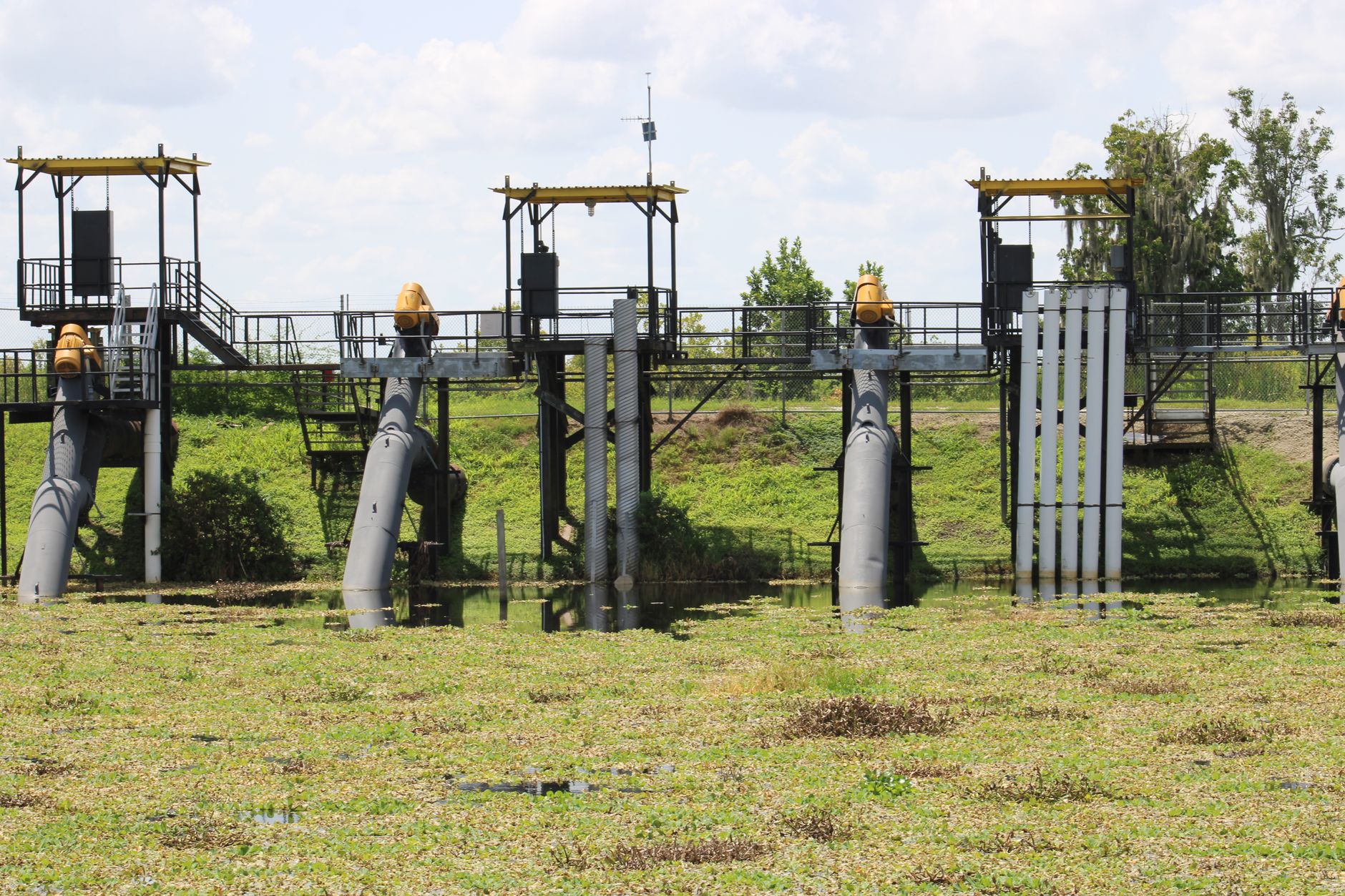
The same illiquidity that keeps retail money out also creates a real constraint for endowments that need to rebalance or meet distribution requirements on short notice. Stormwater bonds bought in thin secondary markets can be difficult to exit at fair prices during credit market dislocations, precisely when liquidity across fixed income tends to dry up simultaneously. Endowments with large near-term spending obligations, or those running tighter liquidity buffers, face a genuine tradeoff between capturing the structural premium in this sector and maintaining the flexibility their investment policy statements require.
There is also a concentration risk that deserves honest acknowledgment. Stormwater utility credit quality ultimately depends on the fiscal health and management competence of the issuing municipality. A city that mismanages its general finances can, over time, create political pressure to raid dedicated utility revenues – legal firewalls notwithstanding. The sector’s track record through past municipal credit cycles is strong, but a prolonged fiscal deterioration in mid-sized American cities – driven by population decline, pension liabilities, or federal funding cuts – would test the structural protections that make this asset class appealing in the first place.