

The Quiet Accumulation Nobody Talks About
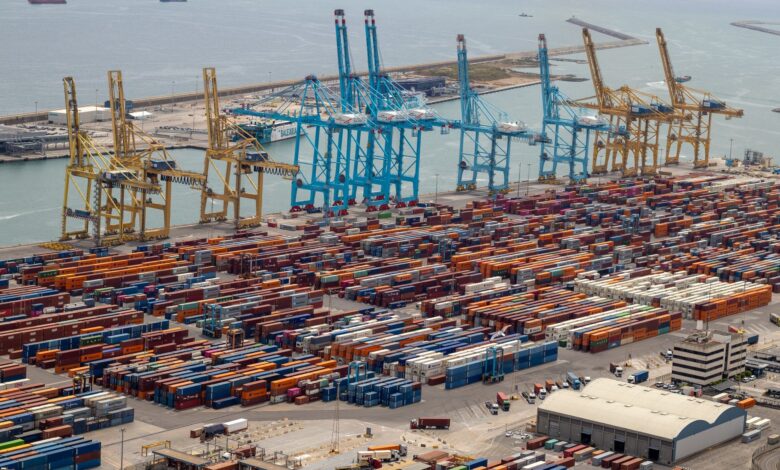
Seaport dredging easements are not the kind of asset that shows up in financial headlines. They are not publicly traded, they do not appear in ETF prospectuses, and they rarely come up at investor conferences. But a growing number of family offices – the private wealth management structures that handle the finances of ultra-high-net-worth families – have been quietly building positions in these obscure but strategically valuable rights, treating them as long-duration infrastructure plays with cash flow characteristics that bond markets simply cannot replicate right now.
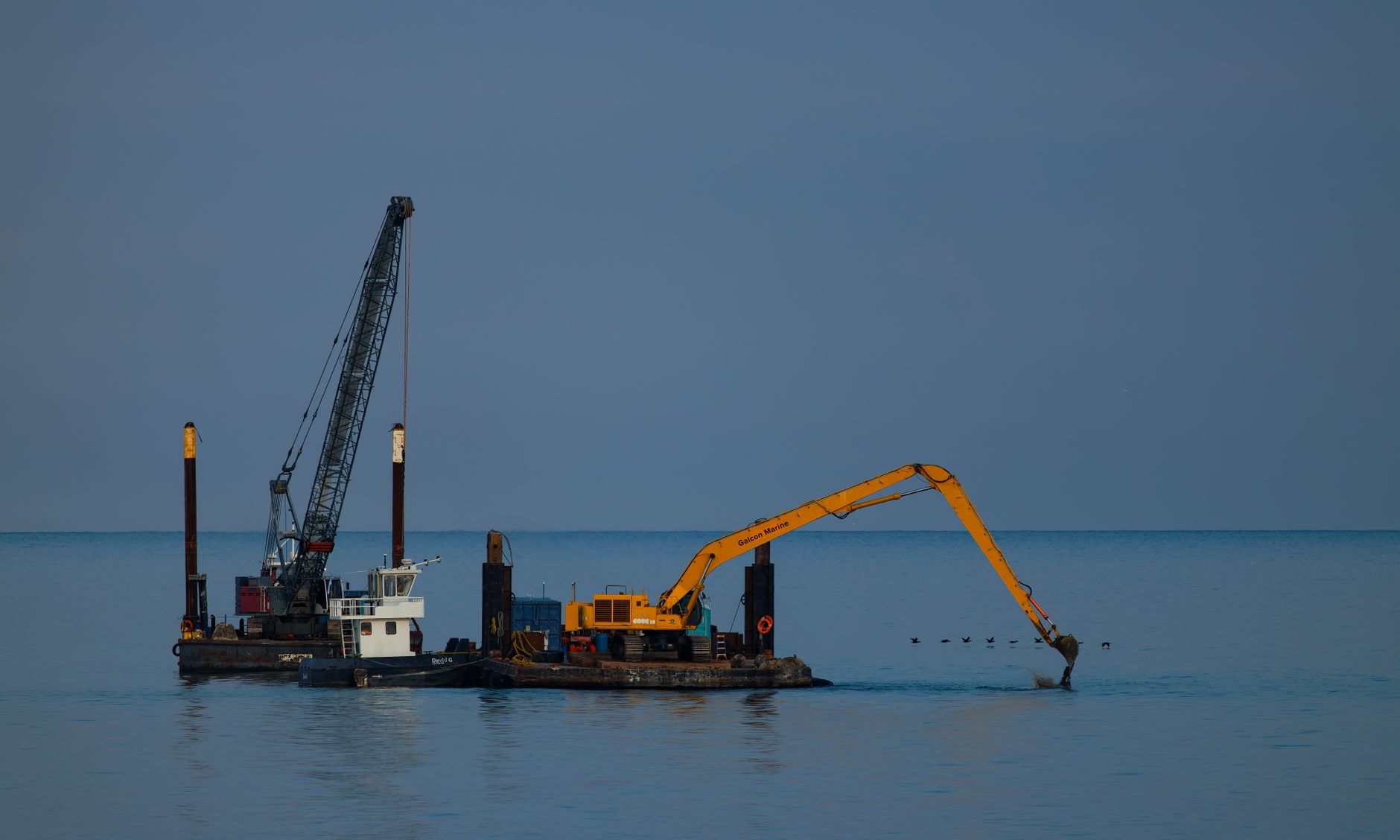
A dredging easement, at its core, is a legal right tied to a specific waterway or port approach. It grants the holder certain entitlements related to the maintenance, deepening, or operational continuity of navigable channels. The value proposition is straightforward: as cargo ships grow larger and port authorities scramble to accommodate post-Panamax vessels, the entities holding easement rights along critical shipping corridors sit in a structurally advantaged position. What family offices have recognized is that these rights, once secured, tend to appreciate quietly and persistently rather than in volatile bursts.
Why Family Offices Are Moving Here Now
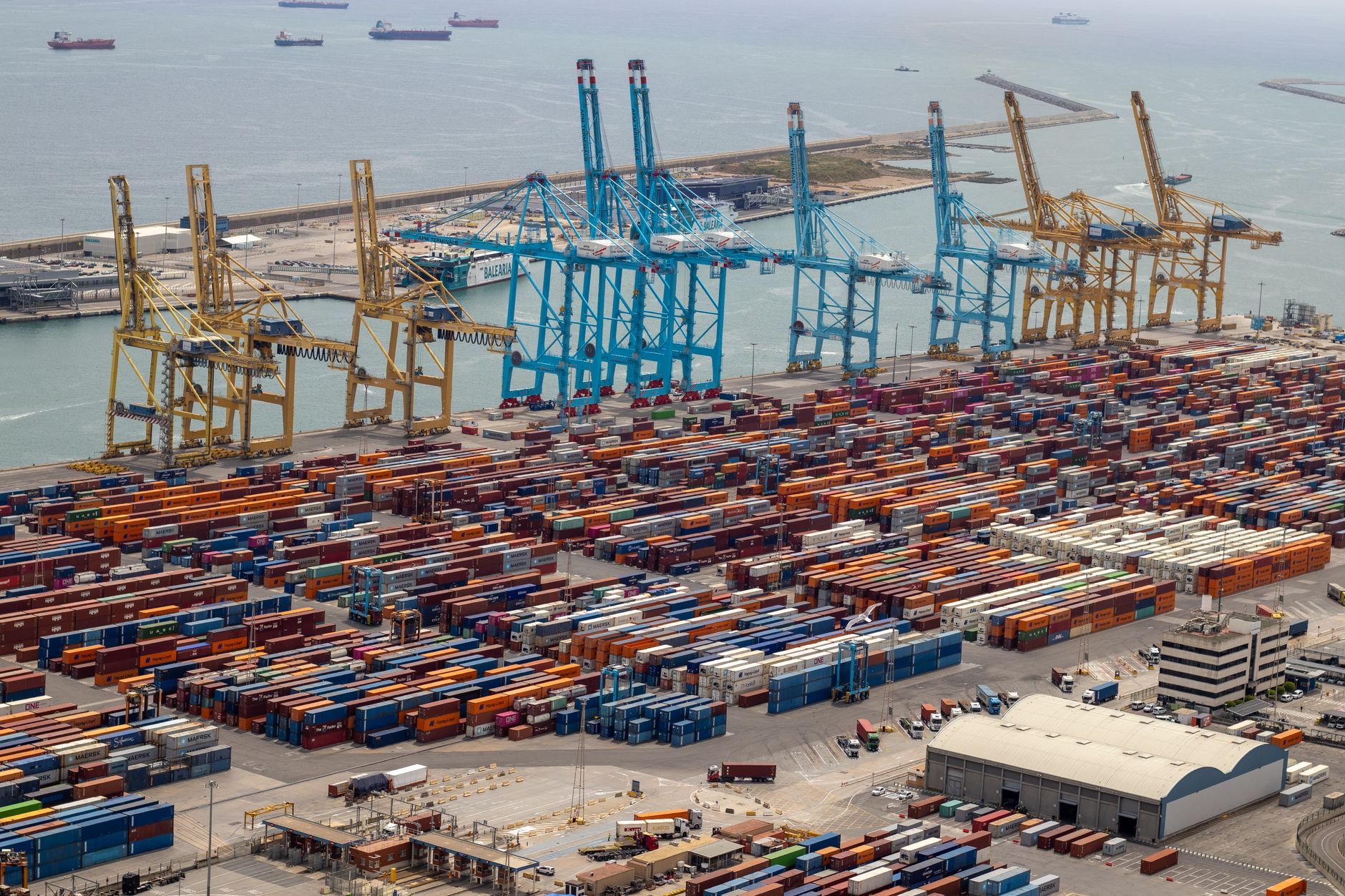
The timing is not accidental. Port infrastructure across the United States and Western Europe is under sustained pressure. Channel depths that were adequate for the container ships of fifteen years ago are now insufficient for the vessels dominating global trade routes. Federal and state budgets for port improvements remain constrained, which has opened a gap that private capital is filling – not by building the infrastructure itself, but by acquiring the rights and easements that make future development possible or legally contingent on their cooperation.
Family offices are particularly well-suited for this kind of investment. Unlike institutional funds with quarterly reporting pressures and defined redemption windows, family offices can hold illiquid positions for decades without consequence. A dredging easement tied to a mid-Atlantic port approach might not produce meaningful income for three to seven years, but the expectation is that when a port authority or state agency eventually needs to proceed with a deepening project, easement holders will be at the negotiating table. The payout, when it comes, reflects years of scarcity value accumulating quietly in the background.
The Structure of the Investment
Acquiring a dredging easement is not like buying shares in a company. The transaction typically involves attorneys specializing in maritime and property law, lengthy title searches through waterway records that may date back over a century, and negotiations with port authorities, municipal governments, or in some cases the U.S. Army Corps of Engineers. The complexity is a feature, not a bug. It keeps casual capital out and ensures that only well-resourced, patient investors can participate.
The legal architecture around these positions varies considerably by region. In some Gulf Coast markets, easements are bundled with riparian rights and sold as packages by landowners with waterfront holdings that predate modern port development. Along the Pacific Coast, the situation is more regulated, with state agencies holding a tighter grip on what can be privately owned versus what must remain in the public domain. Family offices working in this space typically retain specialized legal counsel in each jurisdiction rather than applying a single acquisition template across markets.
Cash flow, when it exists, usually comes in one of three forms: direct licensing fees paid by dredging contractors who need access to operate in the easement area, royalty-style payments structured when a port authority moves forward with a deepening project that touches the easement, or lump-sum buyouts negotiated when a government agency decides it wants to consolidate control over a shipping corridor. Each structure has different tax treatment, and the planning around that treatment is often as sophisticated as the acquisition itself.
Some family offices are not holding individual easements at all, but rather acquiring stakes in small private holding companies that have assembled portfolios of easement rights across multiple ports. This approach spreads geographic risk and provides a degree of diversification that single-asset positions cannot offer. It also makes the investment more transferable across generations, which matters enormously for families whose wealth management horizon extends forty or fifty years rather than a typical fund cycle of ten.
Comparative Appeal Against Other Obscure Infrastructure Plays
The logic here sits in the same category as other long-duration infrastructure rights that large institutional pools have quietly pursued. Endowments accumulating positions in aviation fuel farm leases follow a structurally similar rationale – rights tied to essential logistics infrastructure that is both legally entrenched and practically irreplaceable. The common thread is that these are not bets on technology or consumer behavior but on the physical requirements of moving things from one place to another.
What makes seaport dredging easements distinct from most other obscure infrastructure plays is the regulatory backstop they carry. Because navigable waterways fall under federal jurisdiction in the U.S., any significant port development requires a coordination process that by design surfaces existing private rights. A family office holding a valid easement cannot simply be bulldozed out of the picture. That legal protection gives the position a durability that even some tangible asset investments lack.
The Risks That Sophisticated Holders Accept
This is not a riskless investment class. The most serious concern is regulatory change – specifically, legislative action that could expand government authority to extinguish or condemn private waterway rights in the name of public interest. Eminent domain proceedings do happen in maritime contexts, and while just compensation is required, the compensation received may not reflect the full long-term value the holder anticipated. Legal contests over valuation in condemnation proceedings can drag on for years.
Liquidity is a related but separate problem. There is no secondary market for dredging easements in any organized sense. Selling a position requires finding a counterparty willing to conduct the same deep legal and jurisdictional diligence that the original buyer did, which limits the universe of potential buyers to other well-resourced private investors or government agencies motivated to consolidate. A family office that needs to exit quickly will almost certainly do so at a discount.
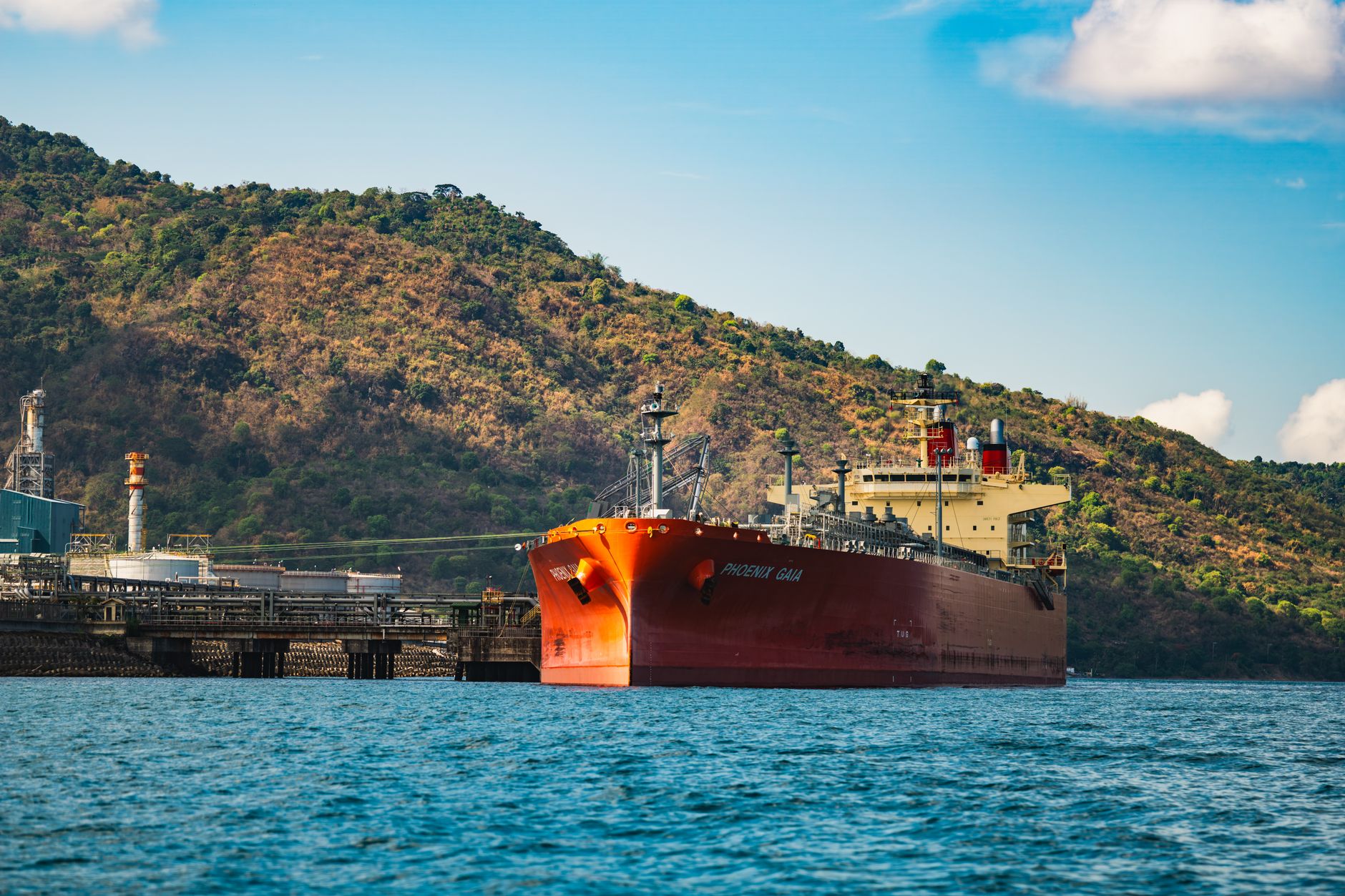
Environmental permitting has also introduced a new layer of uncertainty. Deepening projects require environmental impact assessments, and advocacy groups opposed to port expansion have become increasingly effective at using the permitting process to delay or block dredging operations. An easement that appeared poised to generate income within a five-year window can find itself locked in a permitting contest that stretches the timeline unpredictably. Family offices accepting this asset class are, in effect, also accepting the reality that port politics and environmental litigation will shape the outcome as much as pure economics will.
Frequently Asked Questions
What is a seaport dredging easement?
A dredging easement is a legal right tied to a specific waterway or port approach that grants the holder entitlements related to the maintenance or deepening of navigable shipping channels.
Why are family offices interested in dredging easements?
Family offices can hold illiquid assets for decades, making them ideal holders of easements that may take years to generate returns but carry strong long-term value as port infrastructure demand grows.