
The Quiet Pivot Toward Ammonia Infrastructure
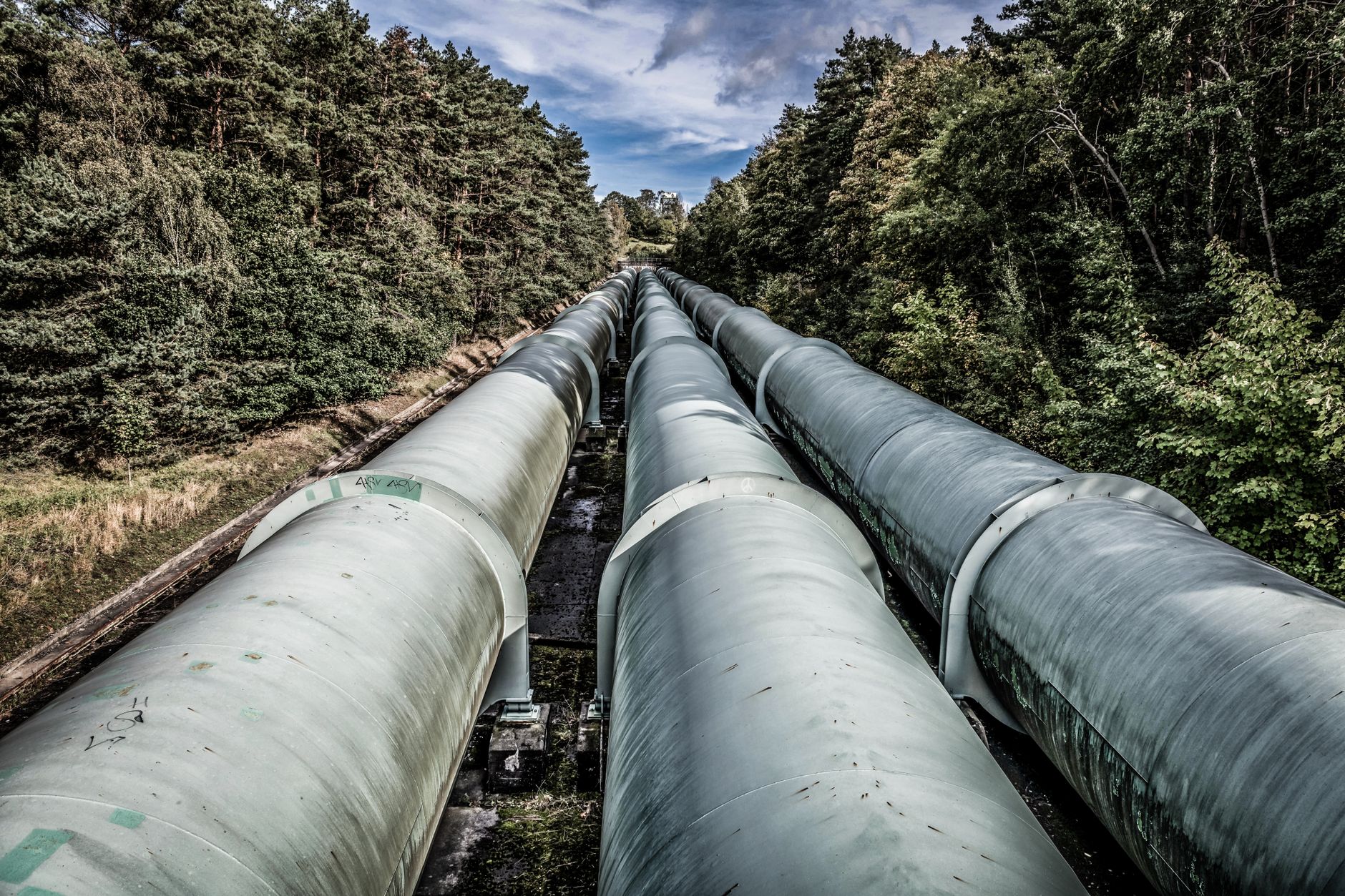
University endowments and foundation portfolios have started directing capital toward an asset class most retail investors have never considered: easement rights on ammonia transmission pipelines. These are the legal corridors – strips of land where pipeline operators hold the right to move anhydrous ammonia across private and commercial property – and they generate fee income that behaves almost nothing like the stock market. The income is contractual, inflation-linked in many cases, and tied to agricultural and industrial demand cycles that run on multi-decade rhythms.
The appeal is not incidental. Endowment managers face a persistent structural problem: they must generate returns sufficient to fund annual distributions while protecting capital across generations. Equity markets deliver that over long periods but with volatility that creates real institutional stress. Ammonia pipeline easements offer something different – steady, predictable cash flow from infrastructure that is expensive to duplicate and politically difficult to relocate once established.
Why Ammonia, Why Now
Ammonia is the backbone of nitrogen fertilizer production, and fertilizer is non-negotiable for modern agricultural output. The pipelines that move anhydrous ammonia from production facilities to agricultural distribution hubs serve a demand base that does not contract meaningfully during recessions. Farmers apply nitrogen fertilizer because the crop math demands it, not because credit conditions are favorable. That demand consistency is exactly what makes the underlying easements attractive as an income vehicle.
A growing number of institutional allocators are also looking at ammonia’s dual role. Beyond fertilizer, ammonia is being studied as a hydrogen carrier – a way to transport and store green hydrogen at scale. That potential future use does not guarantee higher easement values, but it does reduce the risk that existing ammonia infrastructure becomes stranded. Investors pricing long-duration assets have to think about optionality, and ammonia pipelines carry more of it than a pure fertilizer story would suggest.

How the Easement Structure Works
An easement is not ownership of the land itself. The endowment or fund acquires the right to receive income generated by the pipeline operator’s use of that corridor. The operator pays an annual fee – sometimes structured as a base rate plus an adjustment tied to agricultural commodity prices or CPI – in exchange for the continued legal right to operate through the easement corridor. That fee structure is defined in the easement agreement, which typically runs for terms measured in decades, not years.
The risk profile looks different from traditional fixed income in important ways. There is no credit rating assigned to easement income the way there is for a corporate bond, so institutional buyers have to assess the pipeline operator’s financial health directly. The operator’s ability to pay depends on throughput, which depends on agricultural demand and ammonia spot pricing. In years when fertilizer demand softens or production costs shift, operator margins compress, though the legal obligation to pay easement fees generally remains intact regardless of profitability.
Liquidity is the honest drawback. Easement positions are not traded on exchanges and do not have readily available secondary markets. An endowment that acquires exposure through a direct stake or a private fund structure is committing capital with a realistic exit horizon of five to ten years or longer. For most endowments, that illiquidity is acceptable – even preferable – because it comes attached to an illiquidity premium that liquid assets cannot deliver. The institutional appetite for illiquid yield has been strong enough that deal competition has increased noticeably over the past several years.
The structures used to access easements vary. Some endowments invest through private infrastructure funds that aggregate multiple easement positions across different pipeline systems. Others participate in direct co-investments alongside experienced operators. A smaller number have worked with legal and land advisory firms to acquire individual easement streams outright, which requires more operational due diligence but preserves a greater share of the cash flow by eliminating fund management fees.
The Origination Pipeline Is Thin
The supply of quality ammonia easement deals is genuinely limited. The United States has a relatively small network of dedicated ammonia pipelines compared to natural gas or crude oil systems, concentrated primarily in the Midwest corridor that connects Gulf Coast production to Corn Belt distribution. That geographic concentration means institutional buyers are often competing for the same narrow set of opportunities, and sellers – typically long-term landowners or estate situations – are not always motivated by urgency.
This scarcity dynamic has two effects. It keeps pricing disciplined because there are not enough deals to allow sloppy underwriting, and it means that access often depends on relationships rather than simply showing up with capital. Endowments that have built connections with agricultural land specialists or with pipeline operators directly tend to see deal flow that never reaches a broader market.
Portfolio Fit and Allocation Logic
Within a diversified endowment portfolio, ammonia easements typically sit inside a real assets or infrastructure allocation bucket. The income they generate correlates weakly with equity returns and very weakly with interest rate movements in the short term, which is exactly the diversification quality that endowment managers are chasing. The correlation properties come from the agricultural demand cycle, which moves on its own rhythm driven by weather, crop prices, and global food supply dynamics rather than central bank policy.
This pattern mirrors the logic behind endowment exposure to sulfur storage terminal leases, where similar infrastructure scarcity and agricultural input demand create comparable cash flow stability. Both asset types reward investors willing to do the origination work rather than waiting for packaged products.
The allocation sizes tend to be modest – rarely more than one to three percent of total endowment assets – which reflects both the limited deal supply and the liquidity constraints. But at that allocation level, even a small yield advantage over public alternatives contributes meaningfully to the endowment’s overall return target when compounded over a long investment horizon. The math on a ten or fifteen basis point yield premium, held consistently over fifteen years, is not trivial at the scale most endowments operate.

The unresolved question for this asset class is whether deal supply can grow fast enough to meet institutional demand, or whether the gap between available capital and available deals continues to push pricing up to the point where the yield advantage narrows to the level where the illiquidity stops being worth the trade-off.