
A Quiet Accumulation in Industrial Infrastructure
University endowments and large charitable foundations have spent years hunting for yield in places that most retail investors never look. Timberland, agriculture, toll roads, shipping containers – the pattern is consistent: find an asset with long-duration cash flows, limited correlation to public equities, and a structural reason for stable demand. Nitrogen terminal leases fit that profile almost precisely, which explains why a growing number of institutional allocators are quietly adding exposure to them.
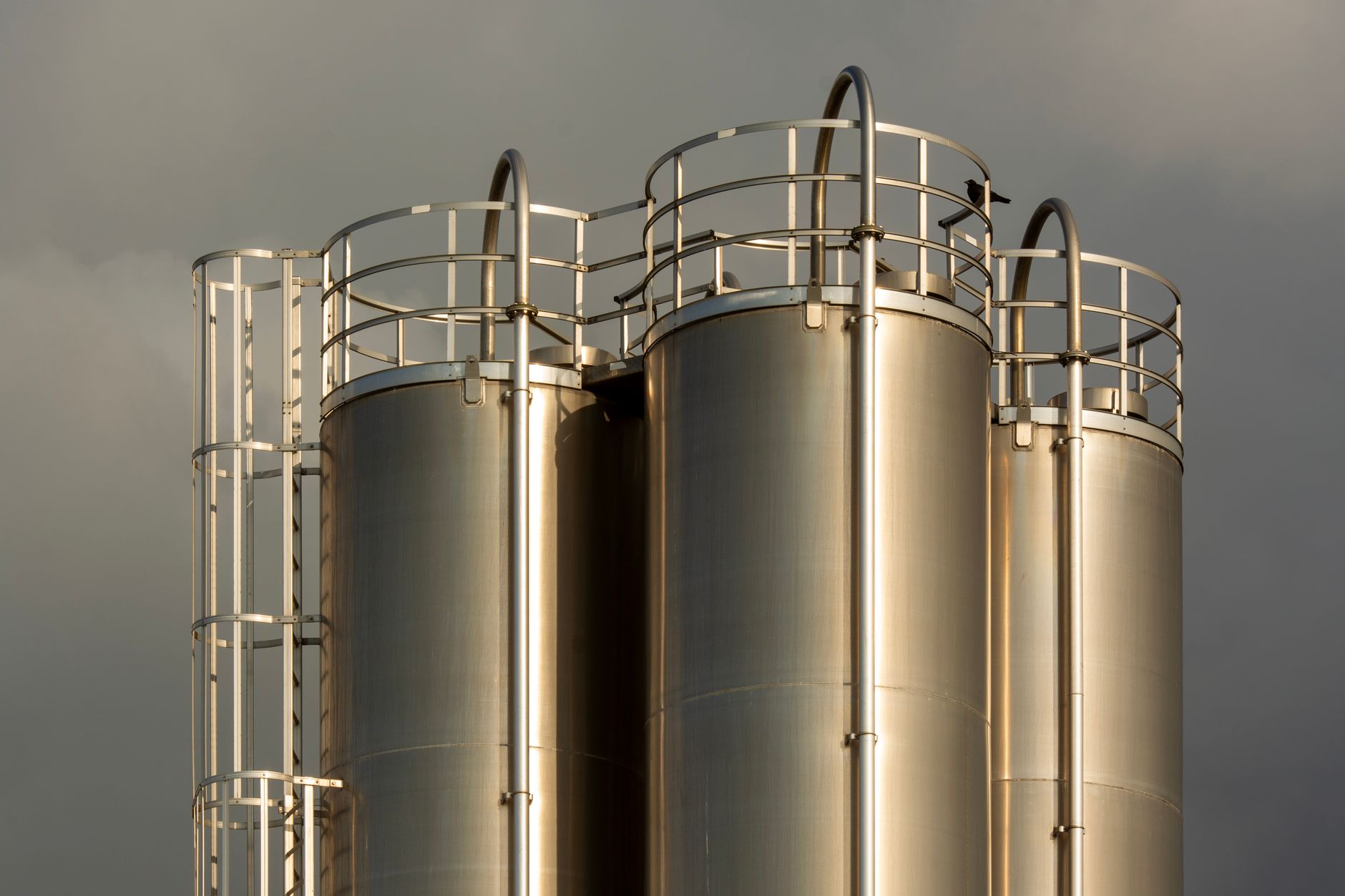
Nitrogen terminals – facilities that store and distribute liquid nitrogen fertilizer, primarily anhydrous ammonia and urea ammonium nitrate solutions – sit at a critical junction in the agricultural supply chain. Farmers need fertilizer to grow crops. Distributors need somewhere to hold it between production and application. The terminal operator, often sitting on a long-term ground lease or holding the lease on the terminal structure itself, collects fees regardless of commodity price swings. That fee-based structure is exactly what endowment managers are chasing.
Why Terminals, Why Now
The appeal is not purely about yield. Nitrogen terminal leases carry a kind of structural moat that is difficult to replicate quickly. Permitting a new fertilizer storage terminal near a river port or rail junction takes years, faces significant environmental review, and requires capital that most local operators cannot easily raise. The existing terminals, particularly those with access to multiple transport modes – barge, rail, and truck – carry genuine locational scarcity. Once a lease is signed on a well-positioned terminal, that position tends to hold for a long time.
Lease terms in this space tend to run long by design. A terminal operator or landowner seeking institutional capital will typically structure a lease with an initial term of 15 to 25 years, with renewal options that extend the relationship further. For an endowment managing money across a multi-decade horizon, that duration is a feature, not a problem. The cash flow visibility that comes with a 20-year lease on a high-throughput terminal can be modeled with a confidence level that most equity investments simply cannot match.
There is also a seasonality dynamic worth understanding. Nitrogen fertilizer demand spikes sharply in spring planting season and again ahead of fall application. Terminal operators that can provide storage capacity during peak periods command premium throughput fees. Endowments acquiring exposure to lease income tied to these throughput volumes – rather than flat fixed rents – pick up a modest inflation-linked component, because fertilizer prices and application volumes tend to track agricultural commodity cycles over time.
How the Investment Structure Works
Most endowments are not buying terminals outright. The more common approach is to invest through a private infrastructure fund or a specialized agricultural infrastructure vehicle that assembles a portfolio of terminal leases across multiple geographies. Diversification across the Mississippi River corridor, the Gulf Coast distribution hubs, and the interior Plains terminals reduces concentration risk meaningfully. No single weather event, logistics disruption, or local market shift can threaten the whole portfolio.
Some larger endowments – those with internal alternatives teams managing north of a billion dollars in private assets – have gone further, co-investing directly alongside fund managers in specific terminal packages. This approach cuts management fees and gives the institution more control over the exact assets it holds. It also requires significant due diligence capacity, because evaluating a terminal’s lease terms, throughput history, counterparty credit quality, and environmental liability exposure is not straightforward work. This pattern of direct co-investment is similar to what some institutions have pursued in railcar lease streams, where the underlying asset is industrial, illiquid, and valued on cash flow rather than market sentiment.
The Risk Factors That Are Not Always Advertised
The nitrogen terminal lease thesis is not without complications. The most immediate concern is the long-term trajectory of nitrogen fertilizer demand itself. Precision agriculture technology is gradually reducing the volume of fertilizer applied per acre, as sensors and variable-rate application systems let farmers target inputs more efficiently. If that trend accelerates, throughput volumes at terminals could soften over a 20-year lease horizon in ways that fixed-rent structures partially shield against but throughput-linked structures do not.
Environmental liability is the second major risk, and it is one that institutional investors take seriously. Anhydrous ammonia is a hazardous substance. A terminal site with a legacy of spills or improper containment can carry cleanup obligations that survive a lease structure and land on whoever controls the asset. Sophisticated endowments will commission Phase I and Phase II environmental site assessments before committing capital, and they will negotiate indemnification provisions carefully. Deals that look attractive on yield alone but carry unquantified environmental exposure are a trap that experienced infrastructure investors know to avoid.
There is also a counterparty question. The creditworthiness of the terminal operator – the entity paying rent – matters enormously when lease terms stretch across two decades. Agricultural input distributors, cooperative grain handlers, and fertilizer retailers vary widely in financial stability. An endowment holding a lease backed by a regional cooperative with a strong balance sheet and captive farmer customers is in a very different position from one holding a lease with a thinly capitalized independent operator trying to grow market share. Underwriting the counterparty with the same rigor applied to the physical asset is not optional.
Regulatory risk adds another layer. Fertilizer storage facilities are subject to EPA Risk Management Program rules, OSHA process safety standards, and in some states, additional local oversight. A regulatory tightening that forces expensive upgrades to terminal infrastructure could stress smaller operators, potentially triggering lease defaults or renegotiation demands. Endowments that have built this exposure are watching pending EPA rule updates on chemical facility safety with genuine attention – because the outcome could reshape operating cost structures across the sector faster than any lease document anticipated.

The terminal lease market remains thinly traded and information-poor by design. There is no public index tracking nitrogen terminal lease yields, no exchange where these positions clear, and no ratings agency assessing the deals in any systematic way. That opacity is precisely what keeps retail capital out and allows institutional investors to capture a return premium that would not persist if the market were more transparent. Whether that premium holds as more endowments arrive at the same conclusion – and competition for quality assets intensifies – is the question that allocators already in the space are not volunteering an answer to.