
The Quiet Land Grab Beneath the Water
Freight ferry berth leases are not the kind of asset that makes headlines at investment conferences. They sit in port authority ledgers, tied to long-term municipal contracts, generating steady income from shipping companies that need guaranteed docking access. For most of financial history, these leases were held by port operators, logistics companies, or local governments. That is changing.
A growing number of alternative asset managers – primarily hedge funds with infrastructure mandates – have been quietly acquiring positions in these lease agreements, either directly through secondary market purchases or through structured vehicles that hold the underlying rights. The strategy is niche, deliberately opaque, and increasingly competitive.
The appeal is straightforward: freight ferry berths are fixed infrastructure in a world where freight volumes keep growing.
Why Berth Leases Work as an Asset Class
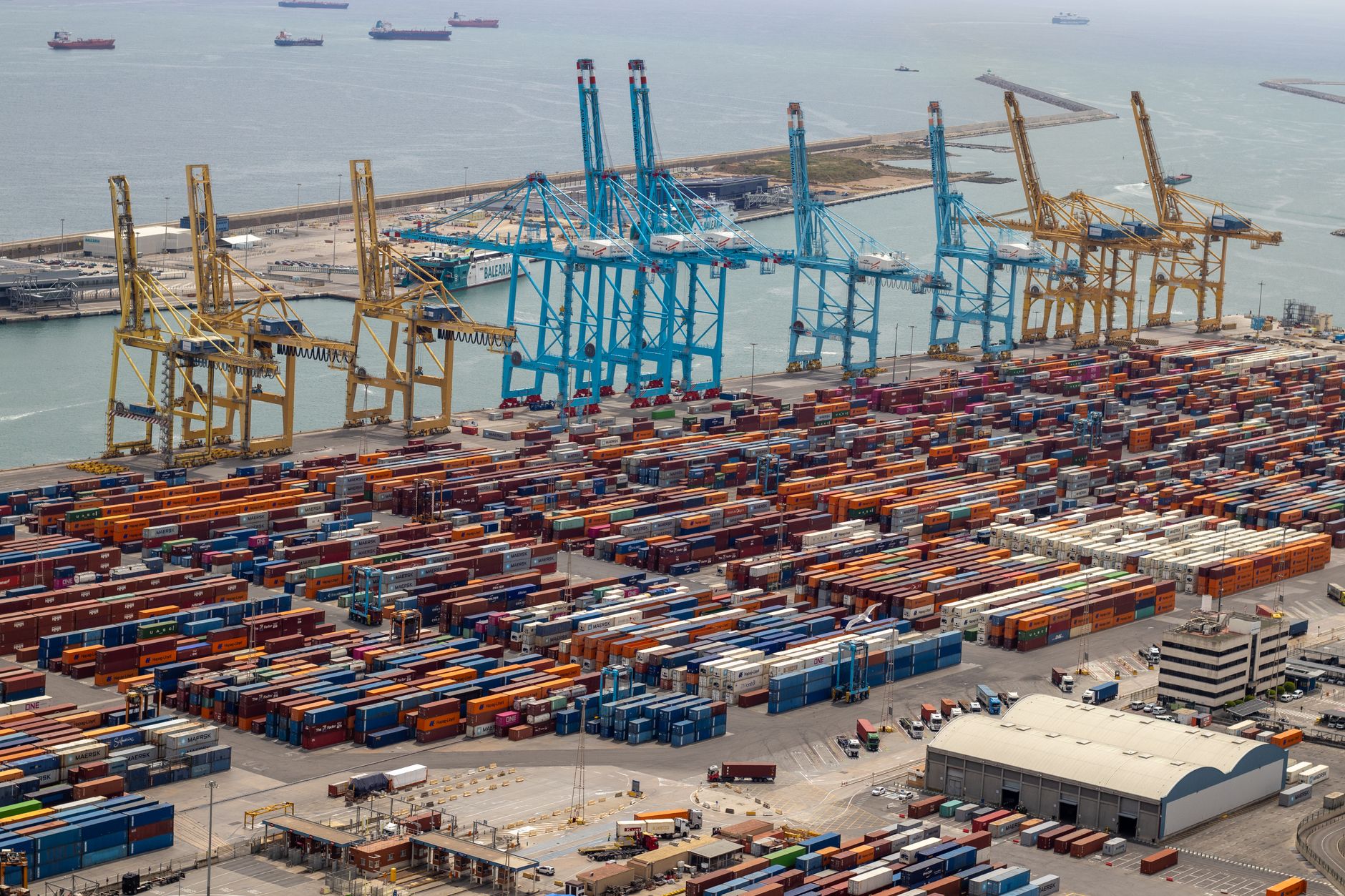
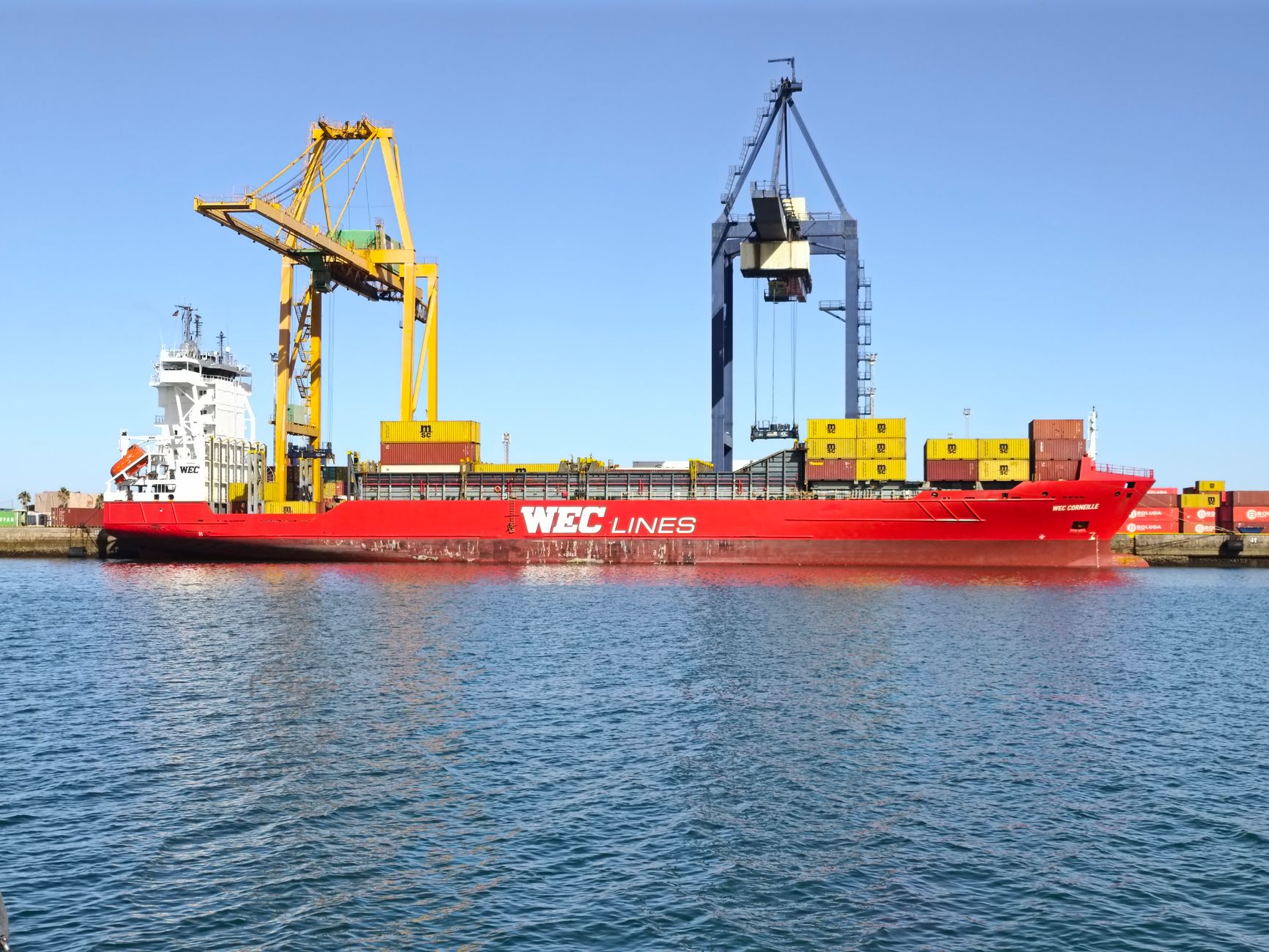
A freight ferry berth lease functions similarly to a ground lease on commercial real estate. The leaseholder controls access to a physical location – typically a designated slip or terminal bay at a commercial port – and collects fees from ferry operators who need that access to run their routes. Because many high-traffic ports have limited berth availability, and because adding new berths requires years of permitting and construction, existing leases carry a built-in scarcity premium. A ferry operator running a regular cargo route between two ports cannot simply relocate if their berth access is disrupted. The dependency is structural.
What makes these leases particularly attractive to fund managers is their duration and contractual structure. Long-term berth leases – some running 20 to 40 years – often include escalation clauses tied to port traffic volumes or inflation indices. That creates a return profile that behaves more like a bond with upside optionality than a traditional equity position. Funds that have been quietly building these positions are essentially betting that port congestion, rising freight demand, and the chronic underinvestment in port infrastructure will push the value of access rights higher over time. This is the same logic that has driven capital into produced water royalty streams and other infrastructure-adjacent assets where physical scarcity is the core thesis.
There is also a correlation argument. Freight ferry berth leases do not move with equity markets in any meaningful way. Their cash flows are tied to commercial shipping activity, which is itself driven by trade volumes rather than investor sentiment. For funds managing large, diversified portfolios, adding an asset that decorrelates from traditional market cycles has real portfolio construction value, independent of the absolute return potential.
How the Positions Are Being Built
Direct acquisition of a municipal berth lease is not straightforward. Port authorities in most jurisdictions retain significant control over who can hold or transfer lease rights, and many agreements include approval clauses that require the port authority’s consent before any assignment. This creates a barrier to entry that also functions as a moat – once a fund secures a position, competing capital cannot easily displace it. The acquisition route most commonly used involves purchasing equity stakes in the operating companies that already hold the leases, rather than acquiring the lease agreements directly. This indirect structure lets funds gain economic exposure without triggering transfer provisions.
Some managers have gone further, partnering with smaller port logistics operators to structure sale-leaseback arrangements. Under this model, an operator who holds a long-term berth lease sells that economic interest to a fund vehicle while retaining operational control under a sub-lease. The operator gets liquidity; the fund gets the cash flow stream. It is a structure borrowed almost directly from commercial real estate finance, applied to maritime infrastructure. The legal complexity is high, and transaction costs are significant, which is precisely why smaller funds have not flooded the space.
Geography matters heavily here. The most active accumulation appears to be concentrated around busy short-sea shipping corridors – routes where freight ferry traffic is dense and alternatives are limited. Northern European ports, the Mediterranean basin, and certain domestic US coastal routes have seen the most activity, though transaction data is difficult to aggregate given the private nature of the deals.
What Could Go Wrong
The risk profile of berth lease positions is not simple. Port authorities are public entities, and long-term lease agreements are vulnerable to political renegotiation, especially when a private financial entity – rather than an operating company – is perceived to be extracting economic rent from public infrastructure. Several European port authorities have already begun reviewing the conditions under which lease rights can be transferred or sub-licensed, with some jurisdictions pushing for regulatory frameworks that would cap non-operator ownership of berth access rights. A fund that builds a position under current rules may find the regulatory environment shifting against it within the lease term.
Liquidity is the other pressure point. There is no exchange where berth lease positions trade. Exiting a position requires finding a willing buyer in a thin private market, and that buyer will almost certainly demand a discount to account for the illiquidity and the legal complexity of the transfer. Funds with fixed redemption windows are taking on meaningful liquidity mismatch risk, and the longer the lease term, the harder it becomes to crystallize value on any predictable timeline.
There is also a concentration risk that is easy to underestimate. A fund holding a significant position in berth leases at a single port is exposed to that port’s operational and regulatory trajectory. A shift in trade routes, a major infrastructure project that adds competing berths, or a port authority decision to prioritize certain cargo types over freight ferries could compress cash flows in ways that were not modeled at acquisition.

The Competition Is Already Arriving
What began as a strategy pursued by a handful of specialized infrastructure funds is now drawing interest from larger allocators. The same scarcity logic that attracted early movers is now circulating in investment committee presentations at multi-strategy funds and family offices with long-duration capital. That attention will compress returns on any deals that do get done publicly, push transaction multiples higher, and force early entrants to either hold and collect cash flow or accept that the arbitrage window – the period when berth leases were priced as operational assets rather than financial ones – is closing faster than expected.