
The Quiet Accumulation of a Niche Infrastructure Asset
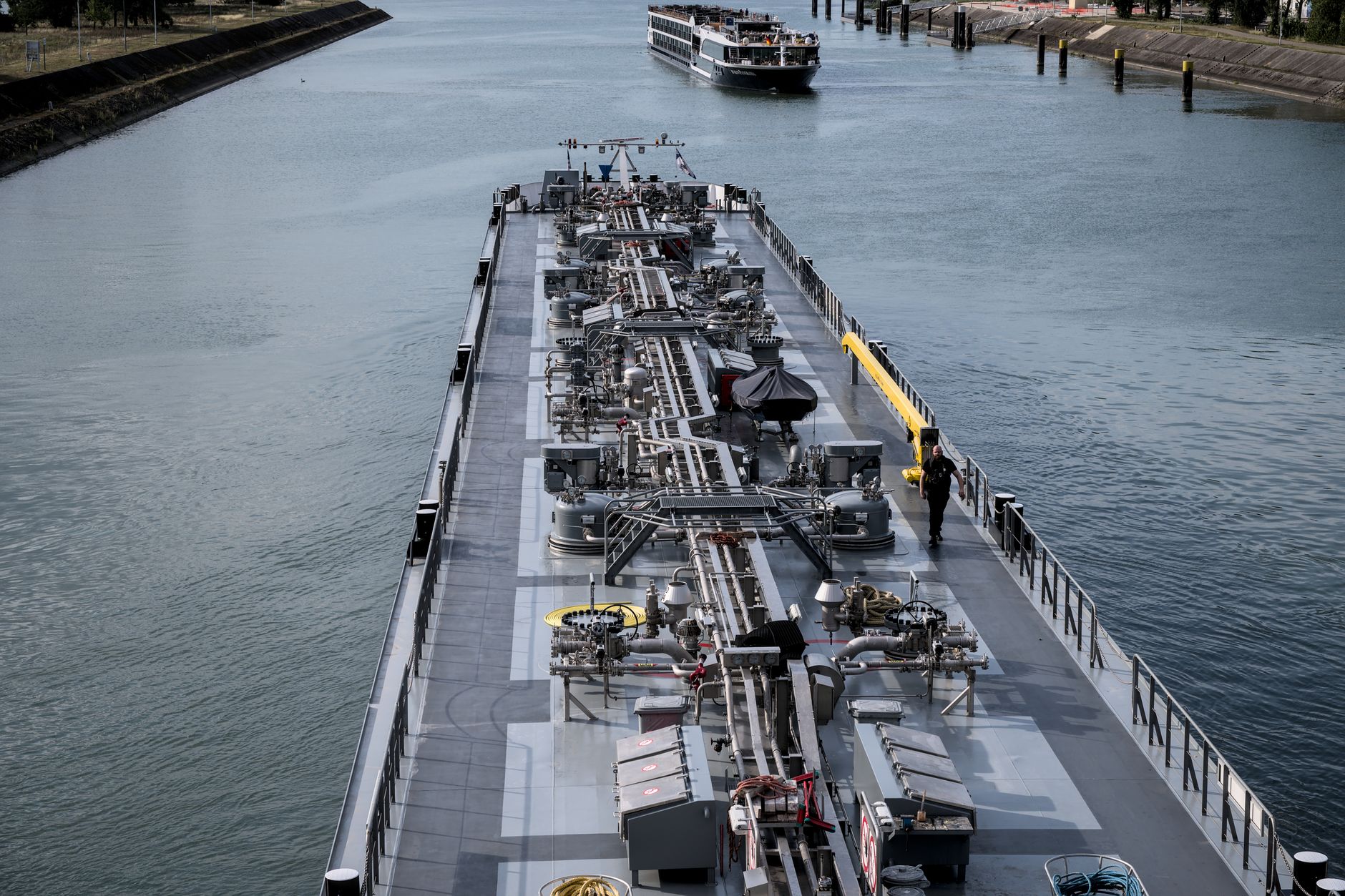
Freight canal water rights sit at the intersection of two asset classes that institutional investors have quietly favored for decades: water and infrastructure. Unlike municipal water systems or agricultural irrigation rights, canal water rights tied to commercial freight corridors carry a distinct legal and economic profile. They govern not just access to water but the operational continuity of a physical channel – meaning whoever holds those rights holds leverage over logistics, not just hydration.
University endowments and large charitable foundations have been building exposure to this category with little public disclosure, routing capital through infrastructure funds, real asset partnerships, and direct co-investment vehicles that rarely surface in headline allocations.
The strategy is not new. It is just becoming more deliberate.
Why Freight Canal Rights Attract Long-Term Capital
The appeal starts with duration. Freight canal water rights – particularly those attached to operating canals in the American Midwest, the Gulf Coast corridor, and parts of the Southeast – tend to carry long legal tenures. Some date back to 19th-century state charters, giving the holder decades of enforceable priority in water allocation disputes. For an endowment operating with a 30- or 50-year time horizon, that kind of legal durability is worth paying a premium for.
There is also the scarcity argument. Unlike rail easements or toll bridge concessions, freight canal infrastructure cannot simply be replicated. You cannot build a new canal through an urban freight corridor without confronting environmental review, eminent domain battles, and capital costs that make the investment unviable. What already exists carries a structural moat. The water rights attached to those canals inherit the same moat, because without water allocation priority, a canal’s operational license becomes contingent and fragile. Endowments buying into these rights are buying certainty in a market where certainty is the scarce resource.
The income profile adds another layer of attraction. Canal operators typically pay usage fees – or in some structures, royalty-adjacent arrangements – to the holders of underlying water rights. These payments tend to escalate with freight volume and can carry inflation adjustments tied to commodity indices. For endowments that need to fund institutional distributions regardless of equity market conditions, that kind of contracted, volume-linked income is exactly the type of cash flow their portfolio construction demands.

How Endowments Are Structuring the Exposure
Direct ownership of water rights is legally complex and varies dramatically by state. Western states operate under prior appropriation doctrine – first in time, first in right – while eastern states generally apply riparian principles that tie water use to land ownership adjacent to the waterway. This patchwork of legal frameworks means endowments rarely buy water rights outright. Instead, they access the exposure through infrastructure fund vehicles that already hold or manage the underlying rights, or through joint ventures with canal operating companies seeking long-term capital partners.
A growing number of infrastructure managers are now packaging canal water rights alongside related assets – think freight easements, railroad bridge easements, and lock maintenance concessions – into bundled real asset portfolios. This structure allows endowments to gain exposure without needing an internal team capable of navigating state water law in multiple jurisdictions. It also provides diversification within the infrastructure sleeve: if one canal corridor faces regulatory headwinds, the bundle’s performance is not entirely dependent on a single waterway’s legal status.
Valuation remains the most contested aspect of these deals. There is no liquid secondary market for freight canal water rights, so pricing relies heavily on discounted cash flow models that make assumptions about future freight volumes, climate-related water availability, and regulatory continuity. Endowments willing to accept that illiquidity premium are essentially betting that their models are more conservative than reality – a bet that has historically paid off in long-dated infrastructure investments, but one that carries real model risk when drought patterns or federal water policy shift faster than expected.
The Climate Variable That Changes Everything
Water rights as an asset class have gained attention partly because climate variability is making water allocation more contested everywhere in the country. This dynamic cuts both ways for freight canal rights. On one hand, priority rights become more valuable when water is scarce – holders can enforce their senior claims against junior users, giving them operational continuity that others lack. On the other hand, prolonged drought can reduce water levels in a canal below navigable depth regardless of who holds the legal rights, effectively stranding the asset without generating any income.
The endowments building positions in this space appear to be focused primarily on canal systems fed by reliable sources – Great Lakes tributaries, river systems with federally managed flow guarantees, or canals connected to reservoirs with multi-year storage capacity. These are not bets on arid-zone water scarcity; they are bets on freight infrastructure that happens to carry water rights as a legal foundation.
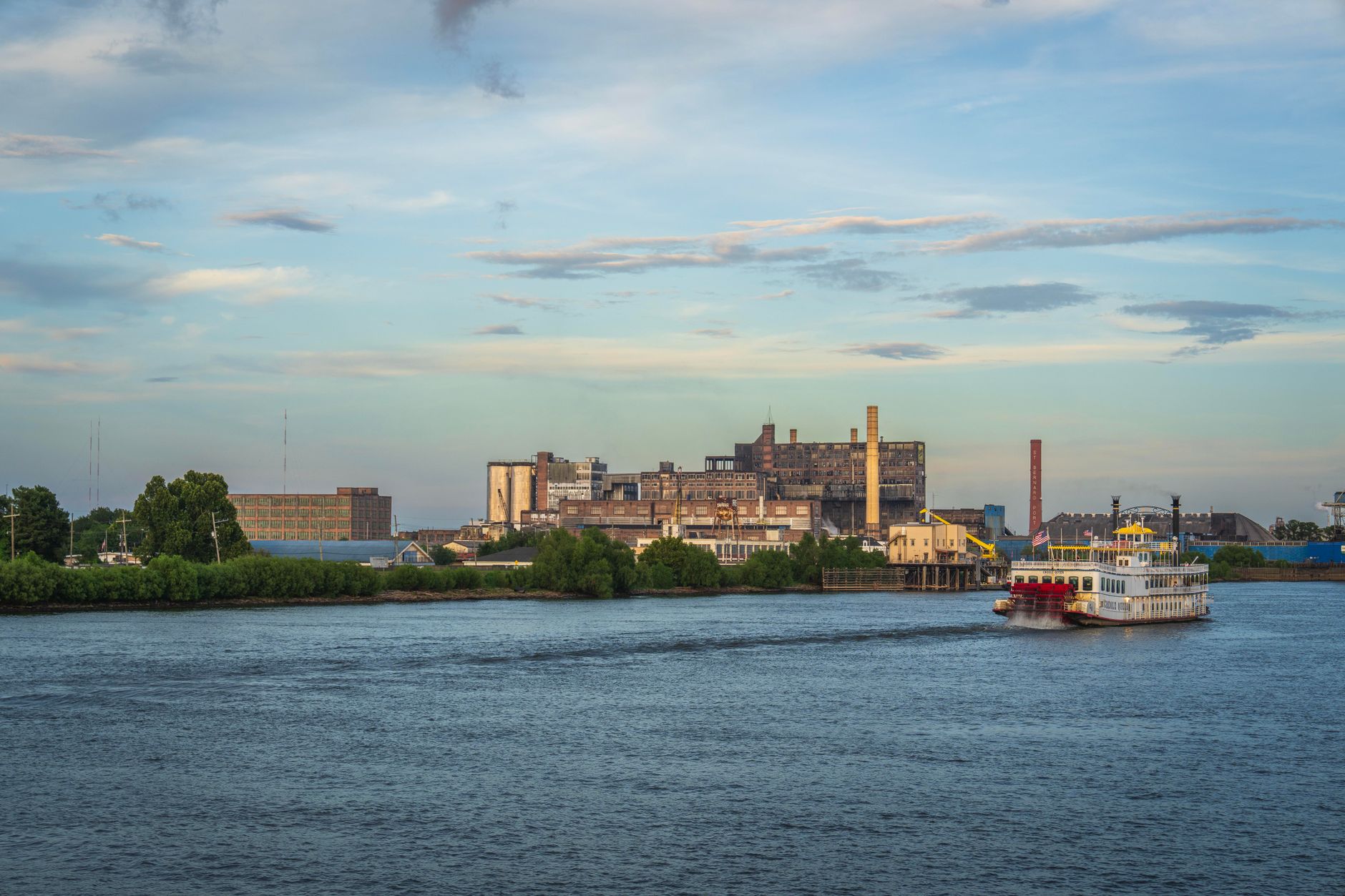
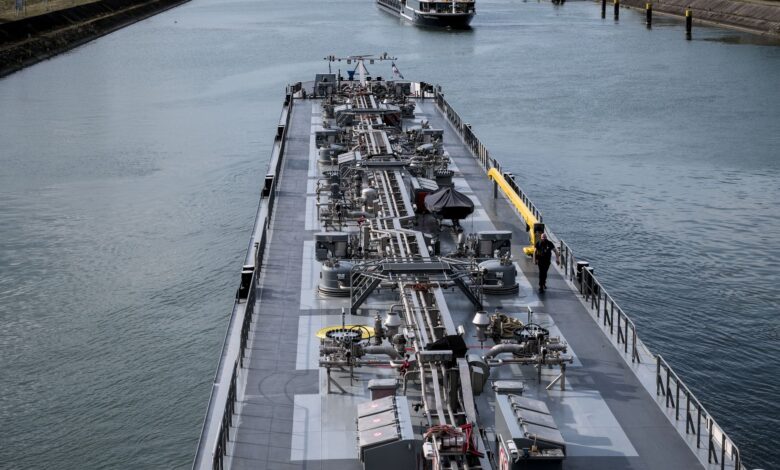
The Mississippi River system’s tributary canals, the Illinois Waterway, and several Gulf Intracoastal Waterway segments have all seen increased institutional interest over the past several years. Canal operators in these corridors report more frequent inquiries from long-term capital sources about rights-based partnership structures. The endowments are not buying the boats or the barges. They are buying the right to the water underneath them – and the legal priority that keeps that water flowing regardless of what happens above the surface.