
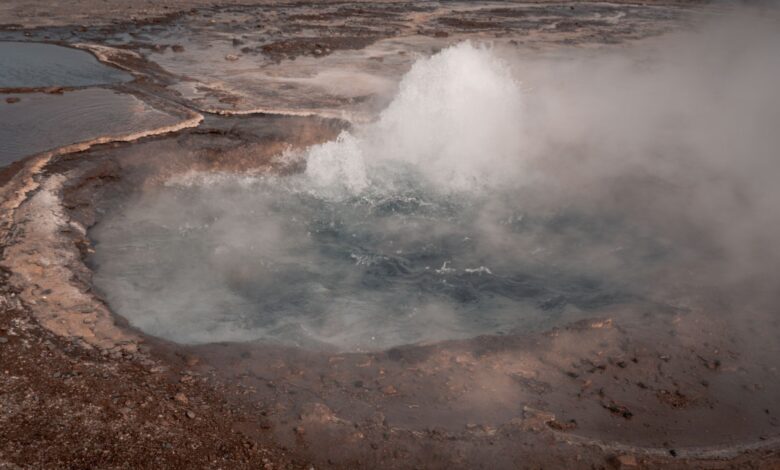
University endowments and private foundations are quietly repositioning portions of their alternative asset allocations toward geothermal royalty streams – a structure that offers passive income tied to heat extraction from the earth, without direct operational exposure to drilling or plant management.
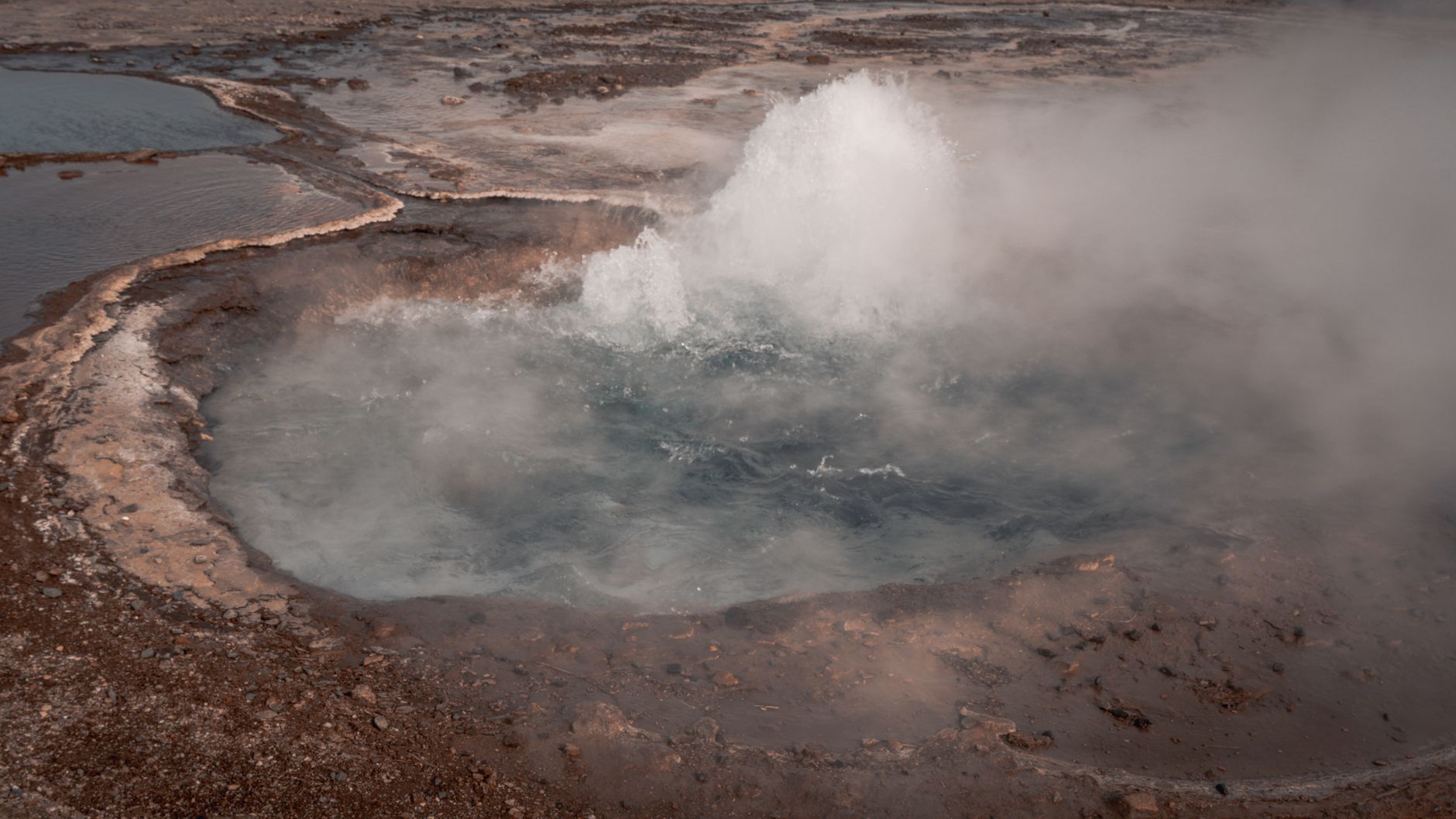
Why Royalty Structures Appeal to Long-Term Capital
Geothermal royalty agreements function similarly to mineral royalties in oil and gas: a landowner or rights holder receives a percentage of revenue generated from geothermal energy production on or beneath their property. The royalty holder never touches a turbine, manages a workforce, or absorbs cost overruns. That detachment from operational complexity is exactly what draws institutional capital with a 30-to-50-year investment horizon.
Endowments are built to last in perpetuity, which means their biggest constraint is not short-term return – it is inflation erosion over decades. Geothermal royalties carry a natural inflation linkage because electricity prices, to which most geothermal output is tied through long-term power purchase agreements, tend to rise alongside broader price levels. That makes the income stream more durable in real terms than a fixed-coupon bond, which loses purchasing power quietly and without drama.
There is also a scarcity argument that endowment managers find hard to ignore. Viable geothermal resources are geographically constrained – you cannot build a geothermal plant wherever you want the way you can place a solar panel. The western United States, Iceland, the Philippines, Kenya, and parts of Indonesia hold the most accessible hydrothermal systems. Rights over those areas are finite, and once a royalty position is established over productive acreage, it cannot be replicated by a competitor. That kind of structural scarcity suits institutional buyers who think in generational timelines.
The royalty model also sidesteps a common frustration in direct energy infrastructure investing: technology obsolescence. A geothermal royalty holder does not care whether the operator upgrades to a binary-cycle plant, adopts enhanced geothermal system techniques, or uses newer turbine designs. The royalty percentage flows regardless of what technology sits at the surface. This insulates endowments from the capital-intensive upgrade cycles that weigh on direct infrastructure owners. It is a structural distinction that matters enormously when the investment thesis is measured in decades rather than years.

How Endowments Are Building Positions
Most endowments are not buying geothermal royalties through a single dramatic transaction. The exposure is being built gradually, often through specialized royalty and streaming funds that aggregate positions across multiple geothermal projects and jurisdictions. This pooling approach reduces single-asset risk and gives smaller endowments – those managing between $500 million and $2 billion – access to a diversified royalty book that would otherwise require a team of energy lawyers and a decade of deal sourcing to construct independently.
A growing number of geothermal developers have also become receptive to royalty financing as an alternative to dilutive equity raises or costly project debt. A developer building a new plant in Nevada or a field expansion in New Zealand can sell a royalty on future production in exchange for upfront capital. For the endowment, that transaction looks like a private credit deal with equity-like upside – the royalty percentage is fixed, but if the project outperforms production estimates, the dollar income grows. That asymmetric payoff is genuinely attractive for capital that has already achieved its fixed-income targets.
Endowments that have built experience in natural gas royalty streams are finding the geothermal transition more intuitive than it might appear from the outside. The legal architecture of a royalty deed, the due diligence process around resource confirmation, and the relationship with operators all transfer with minor modifications. The geothermal-specific learning curve centers on reservoir science and the distinction between hydrothermal resources, which are commercially mature, and enhanced geothermal systems, which remain earlier-stage and carry more technical risk.
Enhanced geothermal systems deserve particular attention because they represent where the long-term acreage opportunity lies. Traditional hydrothermal resources require naturally occurring heat, water, and permeability to converge in the same location. Enhanced geothermal systems use engineered fracturing to create permeability where it does not naturally exist, theoretically unlocking geothermal potential across a far wider geography. Several major energy companies and government programs have invested heavily in this technology. If it scales, the value of royalties established early over suitable rock formations could appreciate substantially. Endowments with long enough time horizons are buying that option now, while the technology is still proving itself and pricing reflects the uncertainty.
The tax treatment of geothermal royalty income also deserves consideration. In the United States, royalty income from geothermal production has historically qualified for depletion allowances that reduce effective tax rates on the income stream. For endowments that are already tax-exempt, this depletion benefit may flow through to taxable investors in structures that involve taxable feeder funds. The interaction with unrelated business taxable income rules requires careful structuring, and several specialized fund managers have built fund architectures specifically designed to preserve favorable tax treatment while remaining accessible to endowment capital. The legal engineering is not trivial, but it is well-trodden ground for the fund managers operating in this niche.
The Risks That Endowment Managers Are Watching
Geothermal resource depletion is the risk that keeps royalty investors up at night. Unlike oil or gas, geothermal reservoirs can sustain production for many decades if managed responsibly – the Geysers field in California has been producing since the 1960s. But reservoirs can also be overdeveloped, drawing down pressure and temperature faster than natural recharge allows. A royalty holder has no control over how aggressively the operator extracts, which creates a fundamental misalignment between the operator’s incentive to maximize near-term output and the royalty holder’s preference for steady long-term production. Sophisticated royalty agreements address this with production caps and reinjection requirements, but enforcement across international borders remains an open question.
There is also a regulatory concentration problem worth naming directly. The most prolific geothermal regions in the United States sit largely on federal lands, meaning lease terms, royalty rates set by the Bureau of Land Management, and permitting timelines are all subject to policy changes that endowments cannot hedge. A shift in federal land management priorities – toward conservation designations, for instance – could restrict new development on adjacent private acreage even if existing operations continue. Endowments building positions in this space are effectively taking a quiet long position on stable federal energy policy, a bet that has paid off historically but carries political risk that no royalty deed can eliminate.