
The Quiet Land Play Reshaping Private Wealth Allocation
Solar easements – legal agreements that grant developers the right to use land for solar energy production over a fixed term – have long sat in the background of renewable energy finance, treated as infrastructure paperwork rather than investable assets. That perception is changing. A growing number of family offices, particularly those managing multigenerational wealth in the $500 million to $5 billion range, are acquiring interests in these easement income streams, drawn by their contractual cash flows, inflation linkages, and near-total insulation from public market volatility.
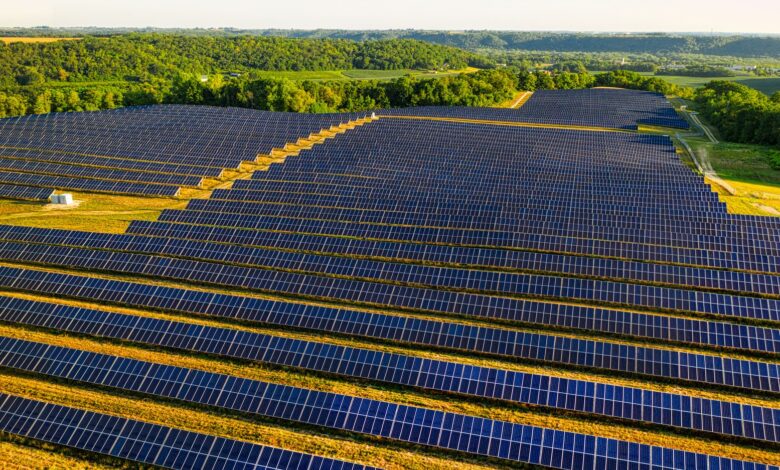
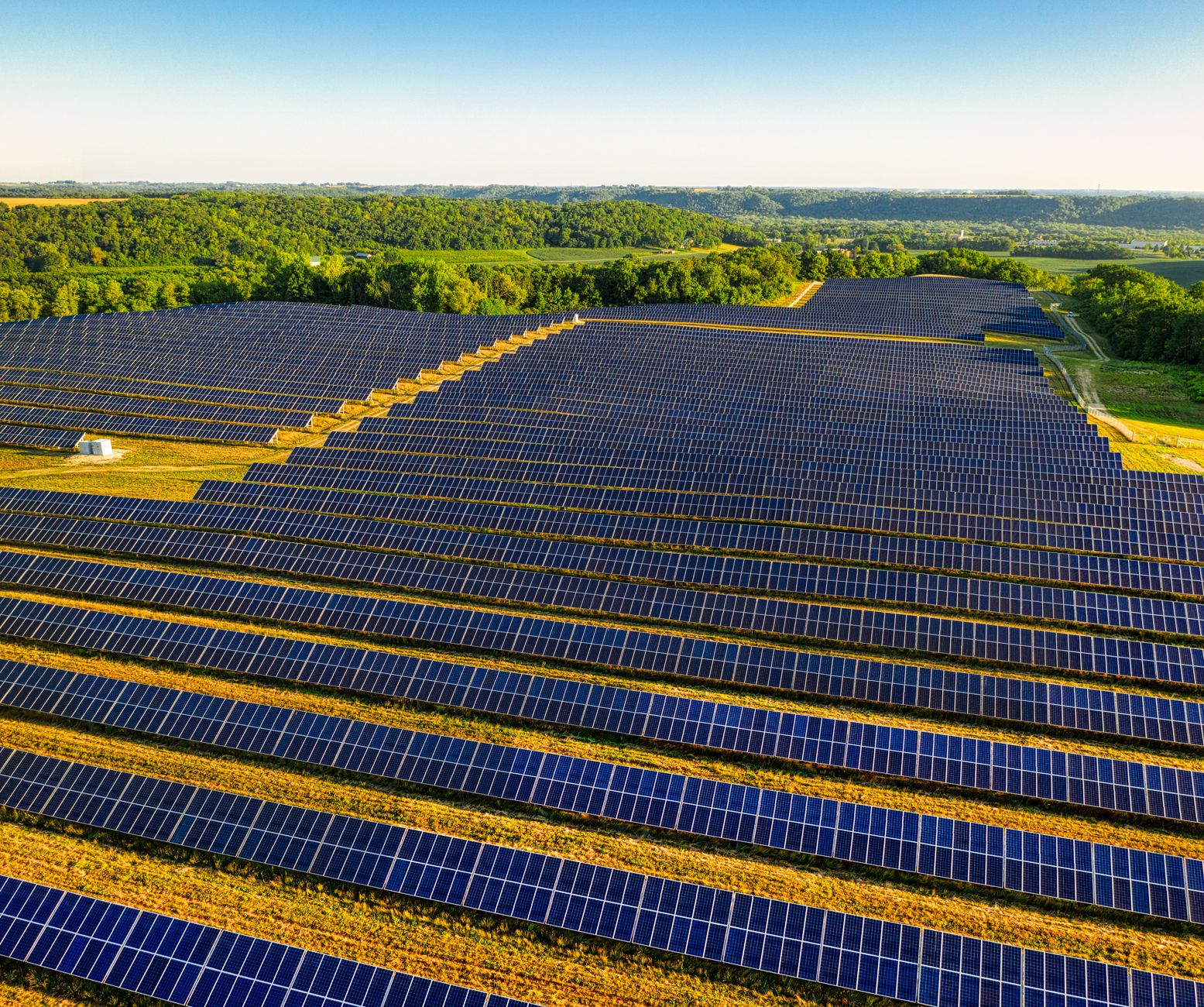
The mechanics are straightforward enough. A landowner signs a solar easement or lease with a utility-scale developer, typically for 20 to 35 years, receiving fixed annual payments often indexed to CPI. Family offices are not buying the land itself. They are acquiring the right to receive all or part of those payments – essentially purchasing the income stream from someone who no longer wants to wait or who needs liquidity. The underlying solar project generates the electricity. The easement holder collects the check.
Why This Asset Class Works for Long-Term Holders
The appeal for family offices is structural rather than speculative. Easement payments are contractually obligated by the developer or their financing entity – often a project-level special purpose vehicle backed by a power purchase agreement with a utility or large corporate offtaker. That layering of counterparties means default risk flows through multiple credit barriers before reaching the easement holder. For a family office that does not need quarterly liquidity and values capital preservation over growth, that structure is genuinely attractive.
Long-duration income streams indexed to inflation are rare. Most fixed-income instruments – Treasuries, corporate bonds, municipal debt – either lack inflation linkage or carry meaningful duration risk in rising rate environments. Solar easements sidestep both problems. The payment is not derived from project revenue, so a year of weak solar irradiance or grid curtailment does not affect the income stream. The payment is a ground-level obligation, structurally senior to project equity and often secured by the land itself if the developer defaults.
This is also an asset class where family offices have a natural edge over institutional competitors. Pension funds and endowments face reporting requirements, governance layers, and investment committee cycles that slow deal execution. A family office with a decisive principal can close an easement acquisition in weeks. That speed advantage matters in a market where the best streams – those tied to operational projects with investment-grade offtakers – attract multiple buyers quickly. Family offices that have built direct relationships with agricultural land brokers and solar development intermediaries are seeing deal flow that never reaches broader channels. This pattern mirrors how pension funds have quietly accumulated stakes in uranium royalty streams – long-duration, inflation-adjacent income that most retail investors never access.

How the Market Is Actually Structured
Solar easement streams do not trade on any exchange. There is no CUSIP, no Bloomberg ticker, no standardized pricing mechanism. Transactions happen through a fragmented network of land brokers, agricultural attorneys, renewable energy consultants, and a small number of specialty intermediaries who have built databases of easement holders – often farmers or rural landowners who signed 30-year agreements a decade ago and are now open to monetizing their future payments. The family offices active in this space are building proprietary sourcing pipelines, not waiting for a packaged product.
Pricing varies enormously depending on the remaining term of the easement, the credit quality of the developer, whether the project is operational or still in construction, and the geographic jurisdiction – since easement law and enforceability differ significantly by state. A stream tied to a fully operational project in Texas or North Carolina with a utility offtaker and 25 years remaining might trade at a discount rate in the low single digits. A pre-operational stream in a jurisdiction with complex easement laws or a smaller developer counterparty might require a mid-to-high single-digit discount to attract buyers. Those spreads create genuine opportunity for investors willing to do the legal and diligence work that most institutional buyers avoid.
The due diligence process is more legal than financial. Title searches, easement language review, state-specific enforceability analysis, and developer credit assessment all precede any commitment. Family offices are quietly building internal competency here or retaining specialized counsel on retainer – a fixed cost that becomes economically rational once a portfolio of streams reaches sufficient scale. Owning one easement stream is a niche curiosity. Owning forty, diversified across geographies and developers, begins to look like a real asset class with compounding income potential and minimal correlation to equity markets.
One tension worth watching: as more capital chases these streams, the discount rates compress and returns thin. Some family offices entered the space when streams could be acquired at yields meaningfully above comparable infrastructure debt. As the trade becomes more widely understood, those spreads narrow. The offices that built portfolios in 2019 through 2022, when solar easement monetization was genuinely obscure, are sitting on embedded gains that new entrants cannot replicate at today’s pricing.
What does not compress easily is the sourcing advantage. The easement holder who signed a lease in 2015 with a developer they have never heard from since is not browsing investment databases. They are responding to a call from someone who found their county land records, understood their situation, and offered a fair price for something they did not know could be sold. The family offices winning in this market are the ones with the infrastructure to make that call – and the patience to close deals that take months of trust-building before anyone signs anything.