
The Quiet Pivot Into Petrochemical Infrastructure
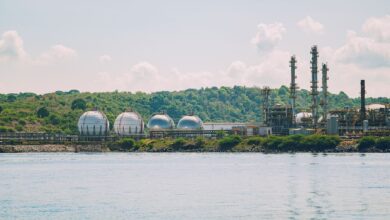
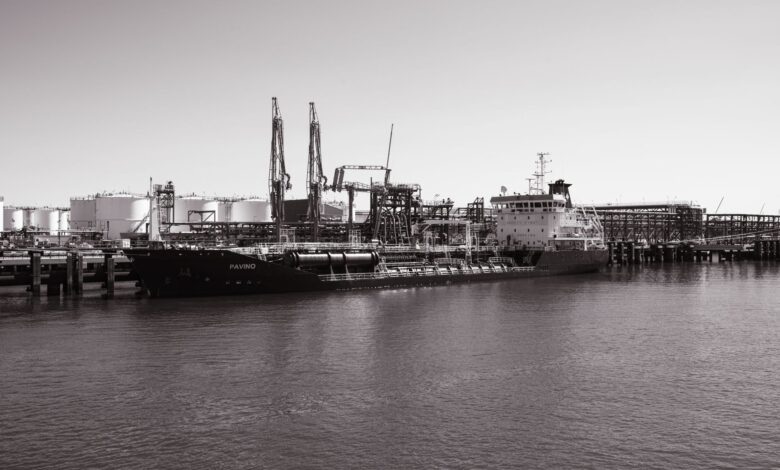
University endowments and large nonprofit investment pools have begun carving out allocations to an asset class that rarely makes headlines: long-term lease agreements on naphtha storage and terminal facilities. These are not equity plays on oil companies or bets on commodity prices. They are contractual income streams tied to the physical infrastructure that handles naphtha – a hydrocarbon feedstock used in plastics production, petrochemical refining, and fuel blending – as it moves through ports, pipelines, and storage hubs around the world.
The appeal is structural. Naphtha terminal leases generate fees based on throughput capacity and storage duration, not on the price of the commodity itself. A terminal operator collects rent whether naphtha is trading at a premium or a discount. For endowments that measure success in decades rather than quarters, that kind of fee-based, volume-driven revenue looks more like a toll road than a commodity trade – and that distinction matters enormously when constructing a portfolio built to fund institutional obligations indefinitely.
Why Terminals, Why Now
Naphtha sits at an interesting crossroads in the global energy economy. Demand from Asian petrochemical producers – particularly in South Korea, Japan, and increasingly India – has kept terminal utilization rates firm even as Western energy portfolios shift toward renewables. The feedstock is not going away on any near-term timeline. Ethylene crackers, the industrial plants that convert naphtha into the building blocks of plastics, require reliable, continuous supply. That physical dependency anchors terminal demand in ways that financial instruments simply cannot replicate.
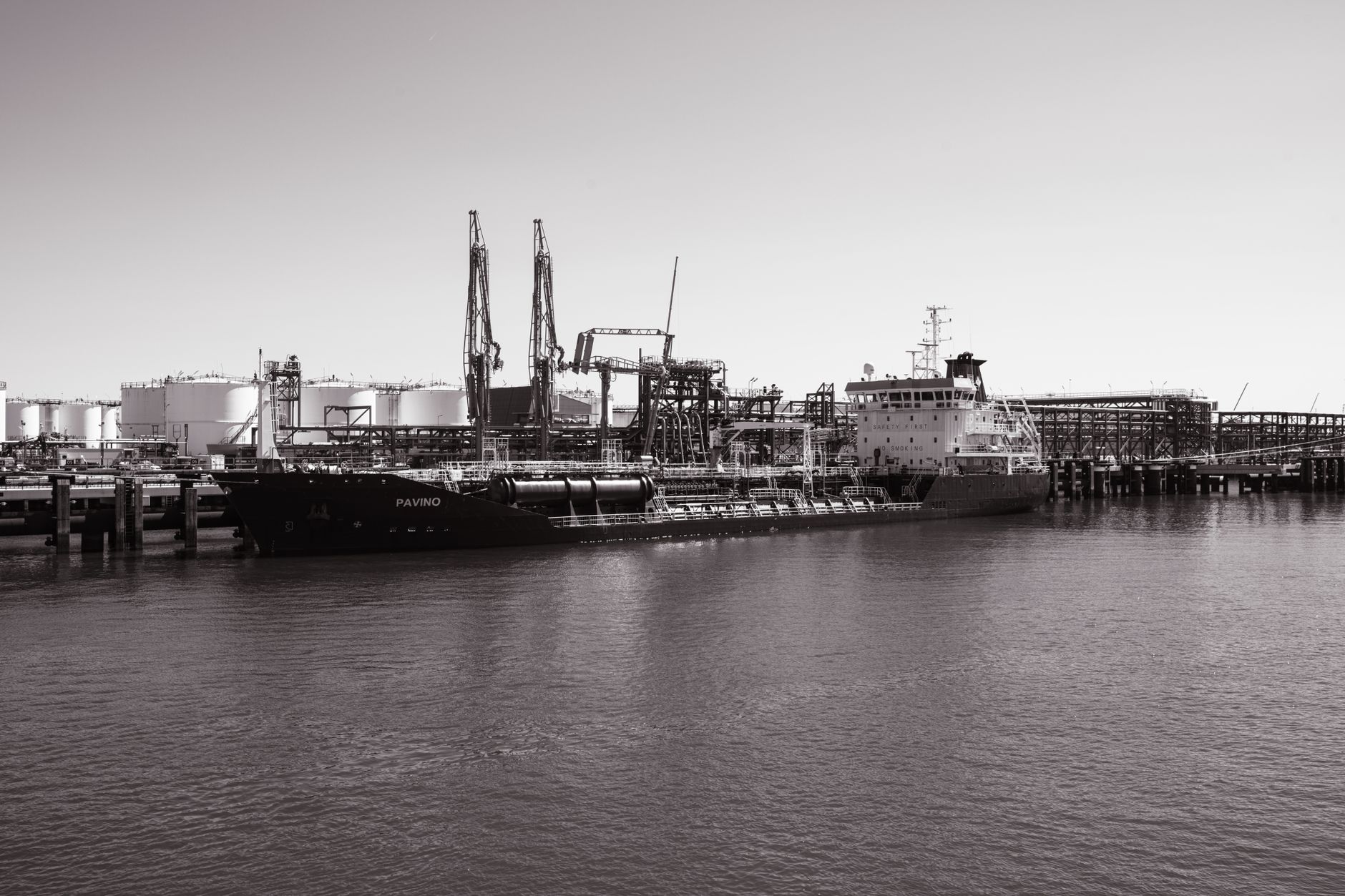
Endowments have increasingly recognized that real asset exposure does not have to mean land or buildings. Contractual rights over physical infrastructure – the legal right to occupy, operate, or profit from a terminal’s throughput for a fixed multi-decade term – carry characteristics that mirror real estate without the development risk or illiquidity premium tied to direct property ownership. A 20-year lease on a naphtha terminal berth in a major Southeast Asian port is, in functional terms, a long-duration income-producing asset with a known counterparty and a defined revenue formula.
This thinking connects to a broader pattern among institutional investors who have also explored geothermal royalty streams as a way to access infrastructure economics without taking on commodity price exposure directly. The underlying logic is the same: find the fee layer, not the commodity layer.
How the Lease Structure Works
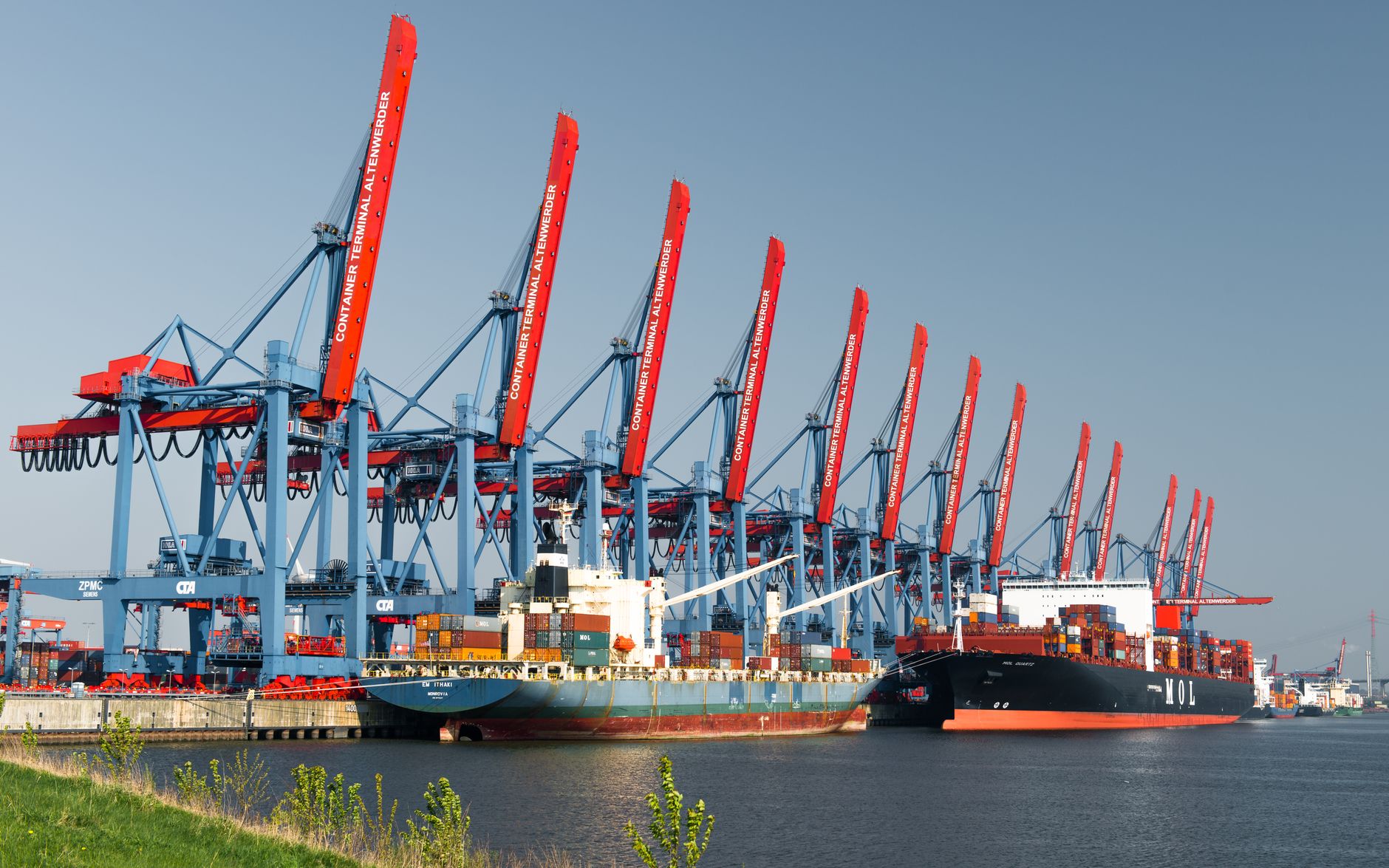
Terminal lease agreements in the naphtha sector typically involve an endowment or its investment vehicle acquiring either a direct lease position from a port authority or terminal operator, or a participation interest in a fund that aggregates multiple such leases across different geographies. The economics are driven by take-or-pay clauses, which obligate the lessee to pay a minimum capacity fee regardless of actual usage. This creates a floor on returns that resembles the structure of investment-grade infrastructure debt, but with an equity-like upside when throughput volumes exceed contracted minimums.
Lease terms in this space tend to run between 15 and 30 years, with inflation escalators built in. The counterparties are often state-affiliated port authorities or large integrated petrochemical companies with investment-grade credit ratings. That counterparty quality reduces default risk substantially and allows endowments to treat these positions as core infrastructure rather than opportunistic bets. The long duration aligns naturally with endowment time horizons, which are theoretically perpetual.
Liquidity, or the lack of it, is the primary friction. Secondary markets for naphtha terminal lease interests are thin. An endowment that enters a 25-year position is largely committed for that duration. This is not necessarily a flaw – illiquidity premiums are a feature, not a bug, for institutions that do not face redemption pressure. But it does require a level of due diligence on counterparty strength and terminal location that is more operationally intensive than buying a listed infrastructure ETF. Endowments with in-house real assets teams or strong external manager relationships are better positioned to underwrite these deals than smaller institutions operating with lean investment offices.
Geography adds another layer of complexity. The most active naphtha terminal markets are in Asia and the Middle East, which means lease income may be denominated in currencies other than the dollar. Currency hedging costs can erode returns meaningfully if not managed carefully. Some endowments address this by structuring deals through U.S. dollar-denominated holding vehicles, though this introduces its own legal and tax complexity when operating across multiple jurisdictions.

The Return Profile and Portfolio Logic
The return profile of naphtha terminal leases sits somewhere between core infrastructure and value-add real estate in most institutional frameworks. Unlevered yields on well-structured, investment-grade counterparty leases typically fall in a range that is attractive relative to long-duration bonds, without the mark-to-market volatility of listed equities. When moderate leverage is applied through senior secured debt at the terminal holding company level, net returns to equity holders move higher – though this introduces refinancing risk that must be stress-tested against rising rate environments.
The diversification argument is straightforward. Naphtha terminal lease income does not correlate meaningfully with public equity markets. It does not move in lockstep with interest rates, though rate changes affect the relative attractiveness of the yield. It is not immune to political or regulatory risk – a government decision to rezone a port or impose new environmental requirements on terminal operations could affect cash flows – but these risks are idiosyncratic rather than systemic. In a portfolio that already holds equities, bonds, and real estate, that lack of correlation has real value.
What endowments are effectively buying is operational necessity. Naphtha must move from production points to cracking facilities. That movement requires terminals. Whoever holds the contractual right to provide that terminal capacity sits in a structurally advantaged position, collecting fees from an industrial process that has no short-term alternative. The question is not whether naphtha will continue to flow through these facilities – it will, for the duration of most lease agreements currently being written – but whether the specific terminals being leased are competitively positioned within their regional supply chain.
That last question is where the real analytical work lives, and it is the reason most smaller endowments access this space through specialist infrastructure managers rather than directly. A terminal in a deepwater port with good rail and pipeline connections to cracker complexes is a different asset than one in a secondary location with high transshipment costs. The lease income looks similar on a spreadsheet, but the underlying demand durability is not.