
The Quiet Accumulation Nobody Is Talking About
University endowments and large institutional funds have spent the better part of the past decade stress-testing their alternative asset exposure, moving well beyond timber and farmland into structures that most retail investors have never encountered. Potash mine royalty streams – contractual rights to receive a percentage of revenue from active potash extraction operations – have become one of the more discreet targets of that expansion. The appeal is straightforward: royalty holders collect income without bearing the capital costs of mining, equipment depreciation, or labor exposure.
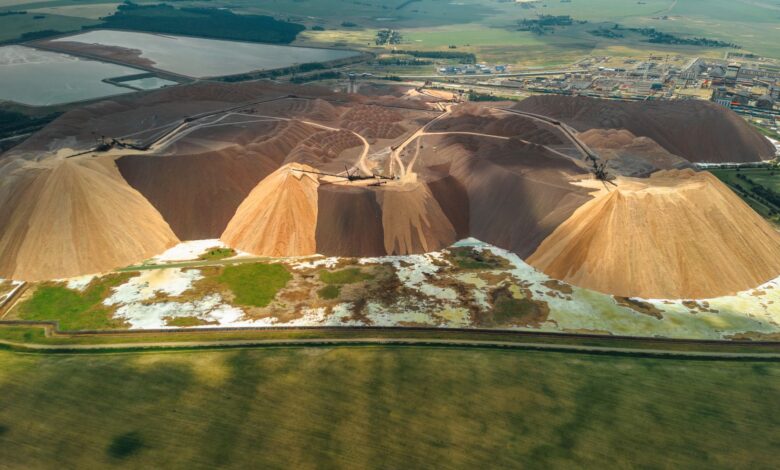
Potash is not a glamorous commodity. It is the unglamorous backbone of global fertilizer supply, extracted primarily from underground deposits in Canada, Russia, and Belarus, and its price moves on agricultural demand cycles rather than the financial market volatility that rattles most institutional portfolios. That disconnect from equities is precisely what makes it attractive to endowments whose mandate is to generate stable, long-horizon returns with low correlation to public markets.
The royalty structure is the key variable here, not the commodity itself.
How Potash Royalty Streams Actually Work
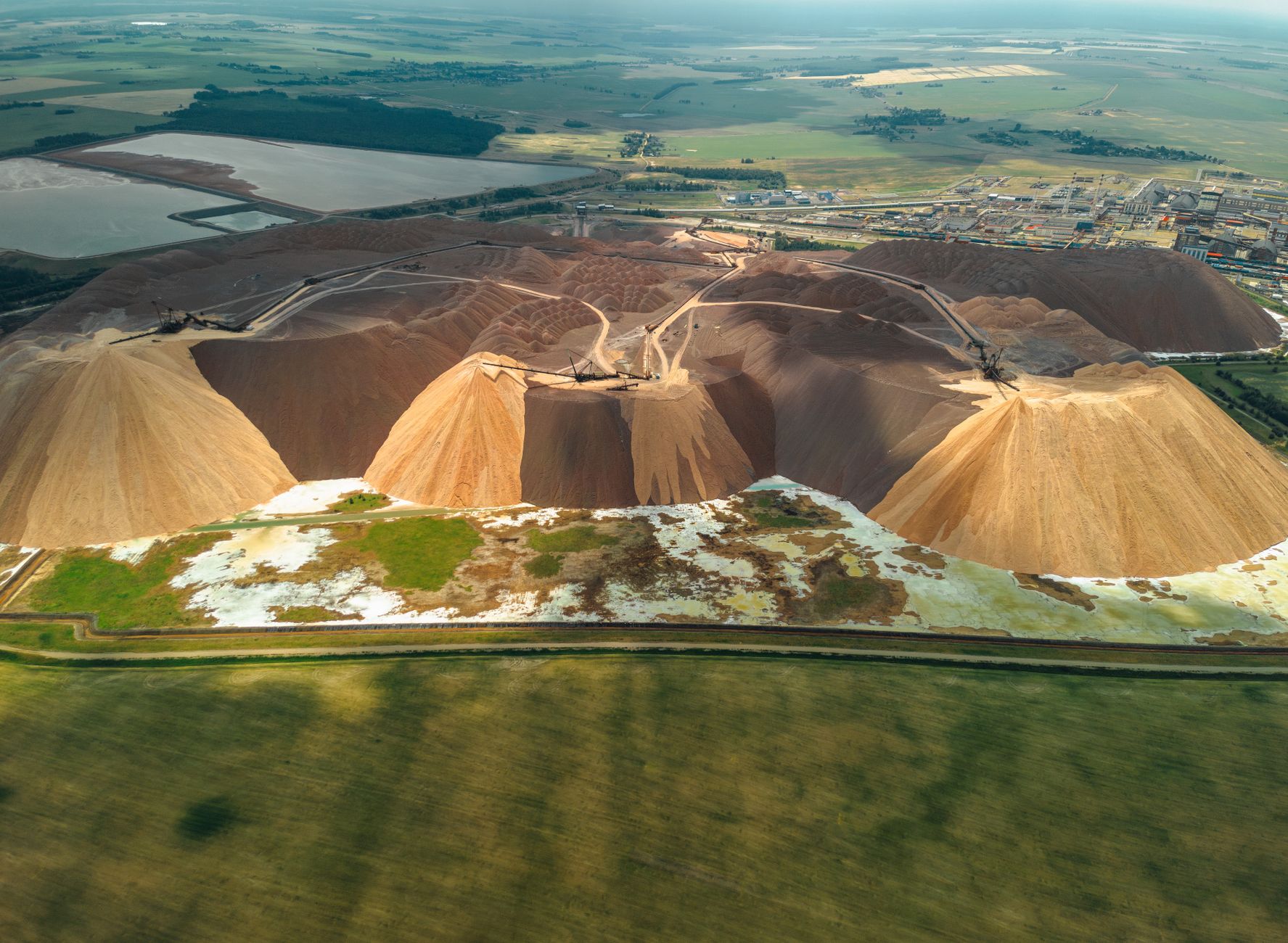
A potash royalty is typically a net smelter return or gross revenue royalty – a fixed percentage of the value of ore extracted from a defined tract of land, paid to the royalty holder regardless of the operator’s profitability. This is not equity ownership in a mining company. The royalty holder has no board seats, no operational liability, and no exposure to cost overruns at the mine level. If the mine produces, the royalty pays. If the mine pauses, it does not – but the holder also does not absorb any of the downtime costs.
For large endowments managing portfolios in the tens of billions, this kind of structure is genuinely useful. The cash flow profile resembles a long-duration bond with a commodity-linked coupon, and because royalty agreements are often structured over the productive life of a mine – which can span 40 to 80 years for large Canadian deposits – the duration matches well with the perpetual investment horizon that endowments operate under. Yale-model institutions in particular have historically favored illiquid, long-duration assets that generate yield over time without requiring active management decisions year to year.
Acquiring royalty positions is not as simple as buying shares in a royalty company like a Franco-Nevada or Wheaton Precious Metals equivalent in the potash space. Many potash royalty streams are privately held, originating from historical land grants, surface rights agreements, or legacy deals struck when mines were first permitted. Endowments gaining access to these positions are typically doing so through private royalty aggregators, direct negotiation with landowners or prior royalty holders, or structured transactions arranged through boutique commodity finance shops. The process is slow, bespoke, and entirely off public markets – which is both the obstacle and the attraction.
Why Potash, Why Now
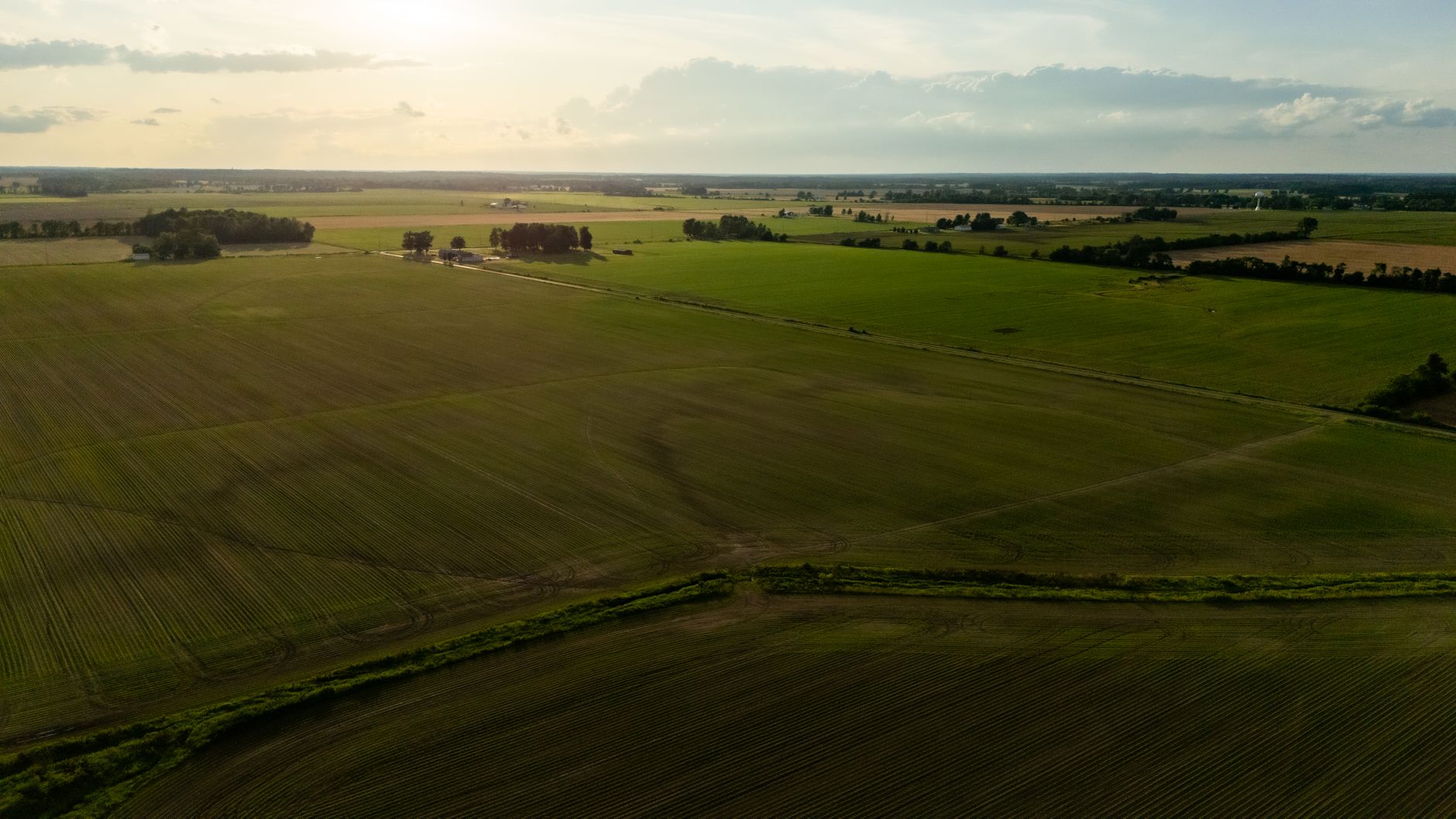
Global fertilizer markets tightened sharply in 2021 and 2022 after export disruptions from Russia and Belarus – which together account for a large share of global potash supply – sent prices to multi-decade highs. That price spike reminded institutional allocators that potash is not merely an agricultural input; it is a strategically constrained resource with limited viable substitutes and geographically concentrated production. The supply concentration that drives geopolitical risk also creates pricing power for producers operating outside the disrupted corridors, particularly in Saskatchewan, where the world’s largest known potash reserves sit.
The price cycle has since come off its peak, but endowment interest has not. This is because royalty buyers are not making a short-term bet on potash prices staying elevated. They are making a structural argument: global population growth continues to increase caloric demand, arable land per capita is not expanding, and fertilizer intensity per acre is unlikely to fall in developing agricultural markets. A royalty on a productive Saskatchewan mine, purchased at a price reflecting current softness in potash markets, could look extremely well-positioned over a 30-year horizon. The entry point matters less when the duration is that long. This same logic has driven endowments toward geothermal royalty streams, where long-duration natural resource income sits outside conventional market cycles.
There is also a currency argument running quietly in the background. Potash royalties denominated in Canadian dollars provide a natural hedge for U.S.-based endowments that want exposure to commodity-linked currency movements without taking a direct position in foreign exchange markets. It is an indirect benefit, rarely the primary thesis, but for funds thinking about portfolio-level currency diversification it adds a layer of utility that straightforward commodity futures cannot replicate.
The Structural Risks Nobody Advertises
Illiquidity is the most obvious risk, and endowments entering royalty positions understand it going in. A royalty stream on a single mine cannot be quickly sold if a fund needs capital, and the secondary market for private potash royalties is thin enough that pricing a position in a stress scenario is more theoretical than practical. Endowments with well-managed liquidity buffers can absorb that risk, but it means this asset class is essentially inaccessible to smaller institutions or funds with shorter redemption cycles.
Mine-specific risk is the less-discussed problem. A royalty tied to a single property is entirely dependent on that mine remaining in production. Mines close early, operators go bankrupt, and regulatory environments shift. A royalty holder has no operational control and limited recourse if an operator decides to suspend production for economic reasons. Some royalty agreements include minimum payment provisions or advance royalty structures that provide a floor, but many do not, and the quality of individual agreements varies enormously depending on when and how they were originally structured.
There is also the question of how endowments are valuing these positions on their books. Private royalty streams are marked using discounted cash flow models, and the assumptions embedded in those models – production rates, commodity price decks, discount rates – can diverge significantly between institutions holding similar assets. During a period of rising potash prices, DCF models will generate attractive marks. During a prolonged downturn, the same assets could be marked down sharply, creating reported losses on positions that have not actually changed in their fundamental long-term value. The gap between reported valuation and economic reality is a known feature of illiquid alternatives, and endowment boards are not always equipped to interrogate it.

What makes the current accumulation phase notable is that it is happening without any organized market infrastructure – no exchange, no standard contract, no price discovery mechanism that the public can observe. Endowments are building exposure to a commodity-linked asset class through one-off private transactions, often structured by a small number of specialized intermediaries who know where legacy royalty holders are willing to sell. When that market eventually develops more institutional plumbing – standardized agreements, a secondary trading platform, rated royalty-backed securities – the funds already holding underlying positions will have gotten there before pricing became competitive. Whether potash royalty values hold up long enough for that infrastructure to materialize is the question no DCF model can honestly answer.