

The Invisible Real Estate Beneath America’s Rail Network
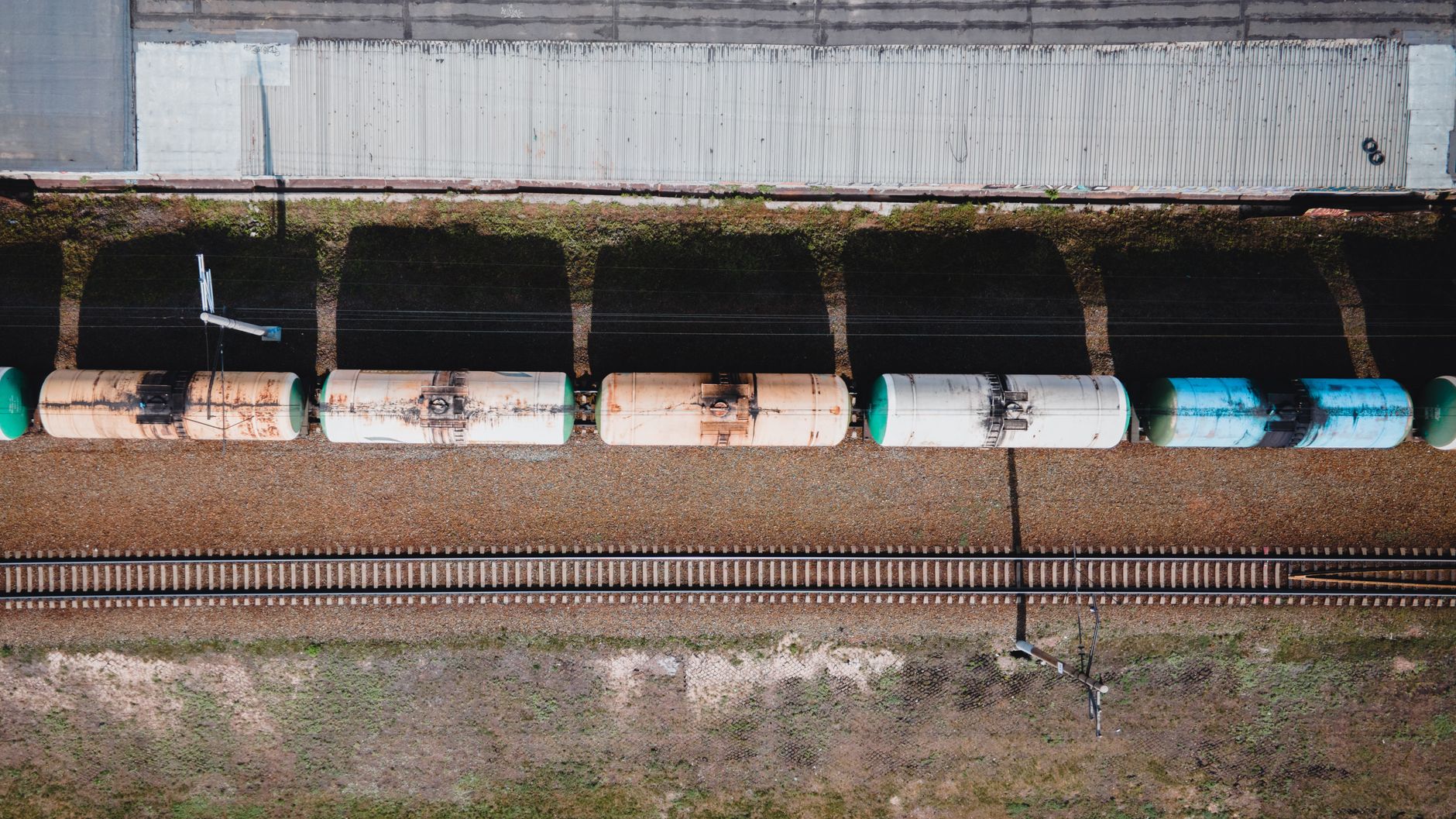
Freight rail easements are not glamorous assets. They are strips of land – sometimes just a few dozen feet wide – running through farmland, industrial corridors, mountain passes, and the backs of suburban neighborhoods. The railroads that hold perpetual rights to these corridors have never needed to sell them, and most outside investors have never thought to ask. That is changing. A small but growing number of family offices are quietly building positions in these easements, treating them less like transportation infrastructure and more like a form of permanent, inflation-resistant land tenure.
The appeal is structural, not speculative. Freight rail easements carry rights that attach to land in perpetuity, often predating modern zoning codes by decades. They generate value through access fees, fiber optic cable licensing, pipeline co-location agreements, and in some cases, adjacent development rights. Unlike conventional real estate, they are not subject to the usual cycles of vacancy or tenant default. The land simply exists, and so does the right to use it.

Why Family Offices Are Moving Into This Space
Family offices operate with a time horizon that most institutional investors cannot match. A pension fund answering to quarterly trustees or a hedge fund managing redemption windows cannot easily hold an asset that may take five to ten years to fully monetize. A family office managing multigenerational wealth can. Freight rail easements fit that profile almost perfectly – they produce modest but durable cash flows in the near term and carry optionality that compounds over time as demand for utility corridors, broadband infrastructure, and energy transmission grows.
The acquisition strategy typically works through secondary market purchases rather than direct negotiation with Class I railroads. Smaller regional rail operators, short-line carriers, and historical land trusts sometimes hold easement rights that were acquired during the 19th and early 20th century rail expansion and have never been properly monetized. These sellers often do not fully understand the asset’s current value, particularly when fiber optic licensing or carbon sequestration credits – attached to adjacent land use – are factored in. Family offices with patient capital and specialized legal counsel can step into that gap.
The comparison to stadium ground leases, another niche favored by family office allocators, is instructive. Both asset classes involve long-duration land rights that sit beneath operating businesses, produce income that is difficult to disrupt, and trade at significant discounts to replacement value simply because they are opaque and require specialized knowledge to underwrite.

The Fiber Optic Factor
The modern rail corridor is not just a path for trains. It is, increasingly, a conduit for data. Telecommunications companies have spent years licensing rights to run fiber optic cables along rail easements because the continuous, cleared right-of-way offers a natural route between cities with minimal permitting complications. The railroads that hold these easements collect licensing fees that, in aggregate, can be quite substantial – and those fee streams transfer with easement ownership.
This is the part of the story that most coverage misses. When a family office acquires a stake in a freight rail easement, it is not simply betting on the volume of coal cars moving through Indiana. It is acquiring a slice of the broadband backbone that connects data centers, enterprise campuses, and regional internet exchange points. As demand for data transmission capacity continues to climb, the value of the physical corridors that carry it rises accordingly.
Valuation, Risk, and the Opacity Premium
Pricing these assets is genuinely difficult. There is no public market for freight rail easements, no standardized cap rate, and no reliable comparable sales database. Buyers must assemble valuations from scratch – analyzing the specific use rights granted under each easement, the existing licensing agreements in place, the legal enforceability of the perpetual terms, and the potential for future co-location revenue. That complexity is a deterrent for most investors, which is precisely why the pricing can be attractive for those who do the work.
Title risk is a real concern. Rail easements from the 19th century sometimes carry ambiguous language about what uses are actually permitted. A right-of-way granted for “railroad purposes” in 1887 may or may not cover fiber optic licensing under contemporary contract interpretation, and the case law varies by state. Family offices entering this space typically retain specialized real property attorneys who focus specifically on historical rail corridor rights, and they build legal risk reserves into their underwriting models.
Environmental liability is the other major risk factor. Some rail corridors running through industrial areas carry contamination from decades of operations. Acquiring an easement interest – as opposed to fee simple land ownership – generally limits environmental exposure, since the easement holder does not own the underlying soil. But the distinction is not always clean, particularly when co-location infrastructure like fiber conduits or pipelines requires ground disturbance. Careful structuring of the acquisition vehicle matters here, and many family offices use special purpose entities to ring-fence any potential liability.
The broadest opportunity, and the least understood, may lie in corridors that pass through areas now seeing energy transition infrastructure buildout. Solar and wind developers need transmission access. Pipeline operators need cleared rights-of-way for hydrogen or CO2 transport as carbon capture projects move forward. A freight rail easement running through the right geography is not just a legacy transportation asset – it sits at the intersection of several competing infrastructure demands, each willing to pay for access. Family offices that acquired these positions quietly over the past several years are now fielding inquiries from energy developers who need what those corridors offer, and the negotiating leverage sits entirely with the easement holder.