

The Quiet Accumulation of a Forgotten Asset Class
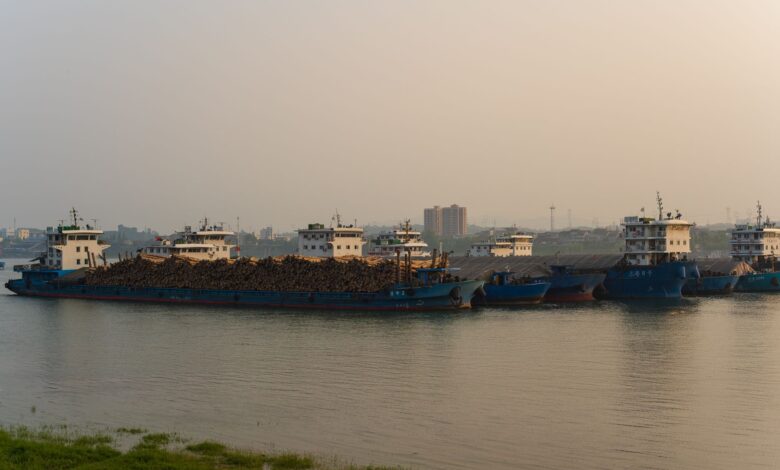
Freshwater port docking rights rarely make headlines. They sit in the background of commodity supply chains – unglamorous, technically complex, and largely invisible to retail investors. That invisibility is precisely why a growing number of family offices are paying close attention. Over the past several years, these private wealth vehicles have been acquiring stakes in docking rights along major inland waterway systems, particularly across the Great Lakes region, the Mississippi River corridor, and parts of the Ohio and Illinois river networks.
The strategy mirrors a broader pattern of ultra-high-net-worth capital flowing into infrastructure assets that combine low volatility, inelastic demand, and long-duration cash flows. Docking rights – the legal entitlements to berth vessels at specific port facilities – generate fee income every time a barge, tanker, or cargo vessel uses a slip. Unlike equity markets, that income does not fluctuate with quarterly earnings surprises. It fluctuates with grain harvests, steel production, and the movement of industrial commodities. For families managing generational wealth, that distinction matters enormously.
Why Inland Ports Now
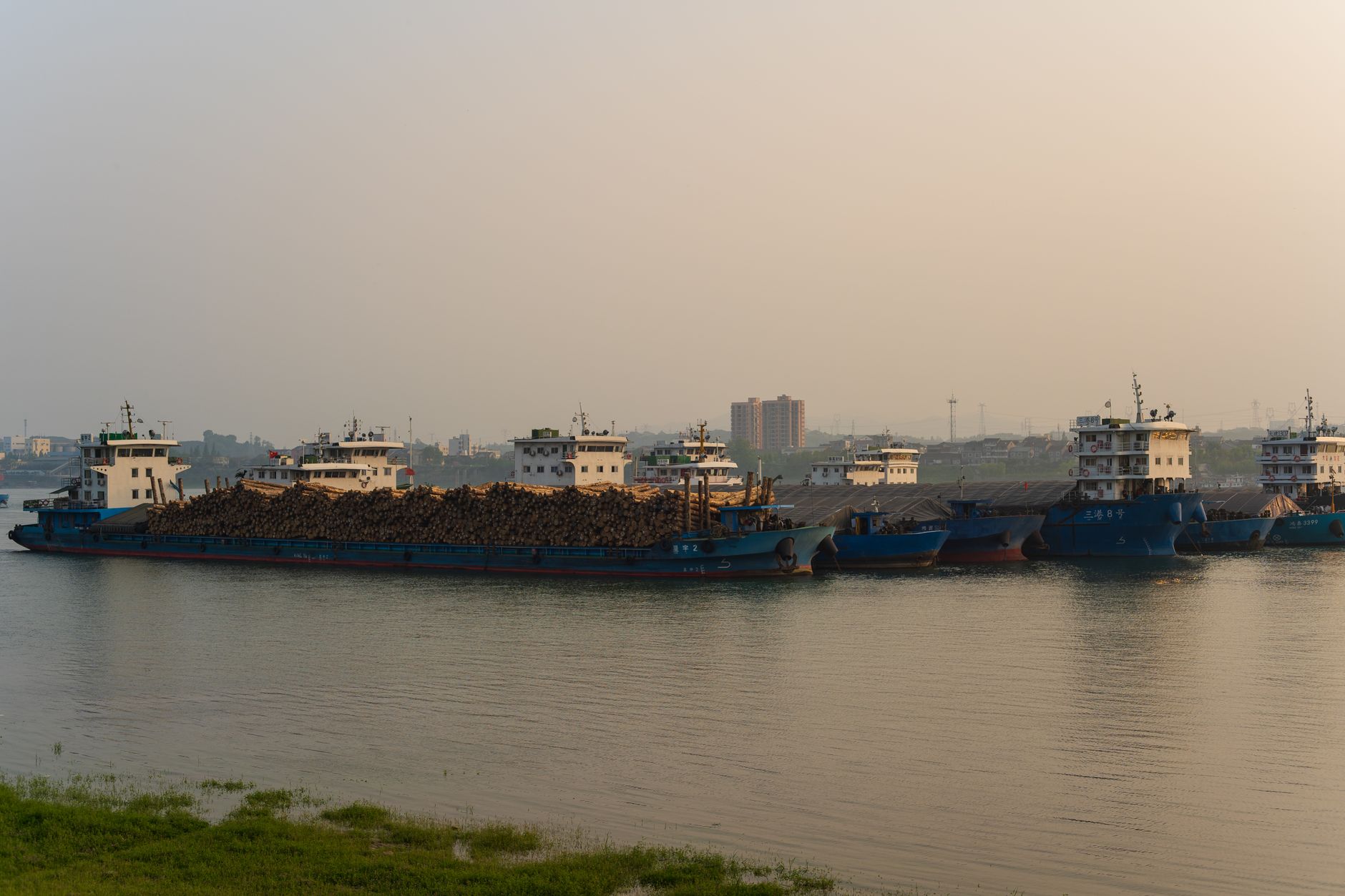
The case for freshwater port infrastructure starts with geography that cannot be replicated. The U.S. inland waterway network spans roughly 12,000 miles of navigable rivers and lakes. Moving a ton of freight by barge costs a fraction of what it costs by rail or truck, and that cost advantage becomes more pronounced as fuel prices climb. Ports sitting along these corridors – particularly those near agricultural export zones or industrial manufacturing clusters – hold a structural position that no new construction can easily displace. You cannot build a new river.
Docking rights specifically, as distinct from port ownership broadly, represent a narrow but highly defensible slice of this infrastructure. A family office acquiring docking rights is not necessarily buying the land, the cranes, or the warehouses. It is buying the contractual entitlement to collect fees from vessels requiring access. These rights are often held through long-term leases with municipalities or port authorities, sometimes running 25 to 50 years, with renewal options and inflation-linked fee escalators built in. The legal framework governing them is well-established, and disputes are relatively rare compared to other alternative asset classes.
This structure appeals particularly to multi-generational family offices that prioritize wealth preservation over aggressive growth. The cash flows are predictable enough to model across decades, the counterparties are often quasi-governmental port authorities with stable credit profiles, and the assets do not require active management in the way that operating businesses do. A small family office with a lean investment team can hold docking rights as a passive position and collect distributions without running an operations department.
How the Deals Actually Get Done
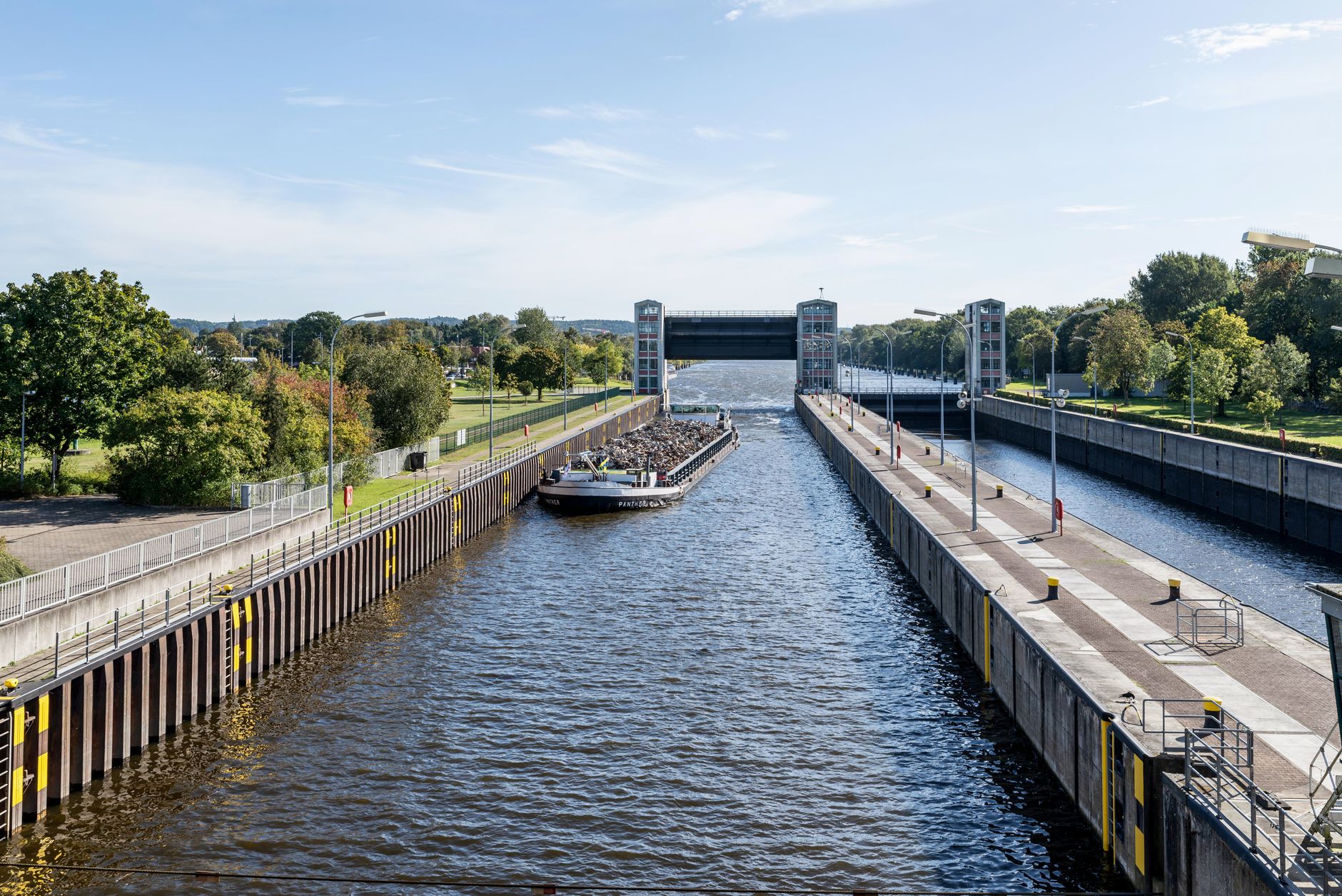
Most transactions in this space do not appear in public filings or financial press. They are negotiated privately, often through intermediaries who specialize in infrastructure and real assets, and they close quietly. The seller is typically either a port authority looking to monetize long-term revenue streams while retaining operational control, or an earlier investor – sometimes a private equity firm – rotating out of an asset that no longer fits its fund timeline. Family offices, with their indefinite holding periods and no fund expiration pressure, are natural buyers in this scenario.
Valuations are typically based on a multiple of net operating income, with adjustments for lease term remaining, counterparty creditworthiness, and the strategic position of the specific port within regional supply chains. A docking right at a port that handles soybean exports destined for the Gulf of Mexico commands a different premium than one servicing local recreational or light commercial traffic. The former sits inside a critical agricultural export chain; the latter is essentially a fee-generating amenity. Family offices targeting this space are almost exclusively focused on the former category.
The Risk Profile Nobody Talks About
The asset class is not without real complications. Freshwater ports face environmental regulatory exposure that their saltwater counterparts do not always share. Dredging requirements, water quality rules, and wetlands protections can impose costs on port operators that indirectly affect the economics of docking rights. If a port authority faces remediation liability or loses a federal dredging contract, the utilization of berths can drop sharply – and with it, the fee income that makes docking rights attractive in the first place.
There is also a concentration risk that is easy to underestimate. A docking right is geographically fixed. If the industrial anchor that drives traffic through a particular port – say, a steel mill, a grain elevator, or a chemical facility – relocates or shuts down, the demand for that specific berth can evaporate. This is not a theoretical risk; the deindustrialization of parts of the Rust Belt has left some inland port facilities operating at a fraction of historical capacity. Family offices entering this space need to underwrite the durability of the cargo base, not just the length of the lease.
Climate risk adds another layer. Freshwater systems are increasingly subject to drought conditions that affect water levels and navigability. The Mississippi River saw record low water levels that disrupted barge traffic and forced cargo onto more expensive overland routes. When water levels fall below navigable thresholds, docking rights generate no income regardless of the contractual terms. That exposure is not always fully priced into deals, particularly when sellers present historical cash flow data from wetter decades.

The family offices most active in this space are reportedly approaching the asset with a portfolio mindset – acquiring rights across multiple river systems and port types to spread geographic and climatic exposure. A stake in a Great Lakes port handling iron ore, combined with rights along a southern river system moving agricultural commodities, produces a blended cash flow stream that is less sensitive to any single disruption. That diversification logic is sound, but it requires deal flow and origination capacity that most family offices lack internally, which is why specialist intermediaries and co-investment networks are becoming the primary channel for accessing these assets.
The deeper question hanging over the space is what happens when the asset class stops being quiet. Infrastructure investing, once the exclusive domain of pension funds and sovereign capital, attracted waves of private equity and retail-adjacent capital once it became widely understood – and valuations rose accordingly. The same dynamic played out in airport parking concessions, where early movers captured returns that later entrants simply could not replicate. If freshwater docking rights follow that trajectory, the families currently assembling positions will have benefited from the obscurity itself – and the window for replicating their entry pricing may already be narrower than the asset class appears.
Frequently Asked Questions
What are freshwater port docking rights?
They are legal entitlements to collect fees from vessels berthing at specific inland port facilities, often held through long-term leases with port authorities or municipalities.
Why are family offices interested in docking rights as an investment?
Docking rights offer predictable, inflation-linked fee income with long lease terms and low day-to-day management requirements, making them well-suited for generational wealth preservation strategies.