
The Quiet Land Play Under America’s Rail Networks
Hedge funds have been accumulating ground lease positions beneath major rail yards across the United States, targeting a category of real asset that most institutional investors have historically overlooked. The strategy is generating attention inside alternative investment circles because the assets combine long-duration income with near-zero operational complexity and structural protection against inflation.
Why Rail Yard Ground Leases Are Attracting Serious Capital
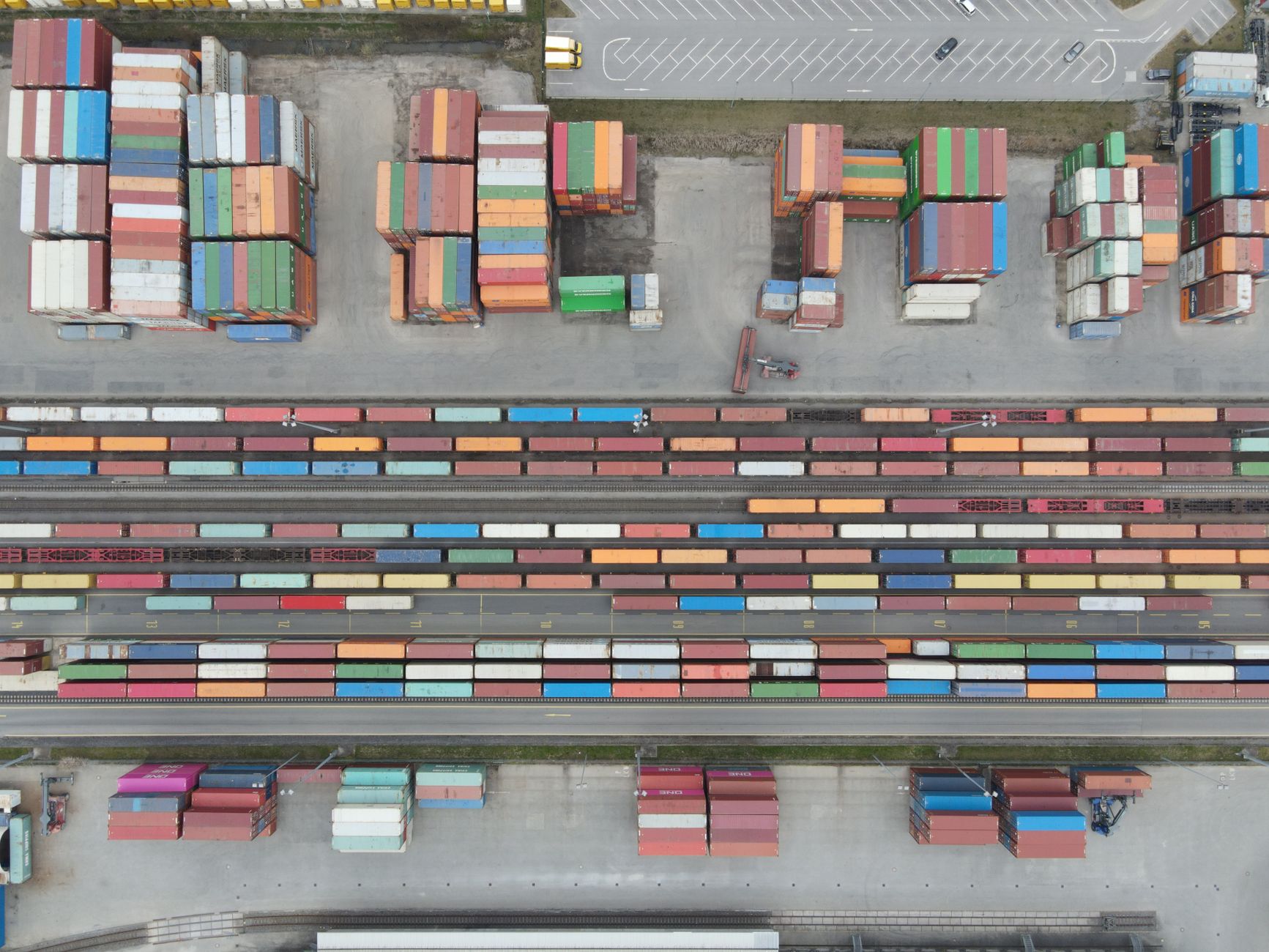
A ground lease, at its core, is a long-term agreement in which a landowner leases land to a tenant who builds or operates on it, often for 50 to 99 years. In the rail yard context, the tenant is typically a Class I railroad or a logistics operator, and the lease payments flow to whoever owns the underlying parcel. Historically, these parcels were held by municipalities, estate trusts, or original land grant successors who had little incentive to sell and even less sophistication about monetizing the positions. That ownership gap is exactly where hedge funds are now moving.
The appeal is structural. Rail yard operators have extraordinarily high switching costs. Moving an intermodal facility, locomotive maintenance hub, or classification yard is not a decision made in a fiscal quarter or even a decade. The physical infrastructure alone – tracks, overhead cranes, fueling systems, signal equipment – represents billions of dollars in sunk costs. This means the land underneath functions almost like a captive lease, with tenants who will almost certainly renew rather than relocate. For a hedge fund building a position, that behavioral certainty is more valuable than almost any contractual guarantee.
Ground lease income also carries a specific inflation-protection mechanism that makes it attractive when compared to conventional fixed-income products. Most rail yard ground leases include either CPI escalators or fixed step-up provisions written into multi-decade terms. When lease payments reset every five or ten years against an inflation index, the position behaves more like a real asset than a bond, without requiring the fund to take on any property management burden. The land sits there. The railroad operates on it. The check arrives.
Several hedge funds have reportedly been working through intermediaries – land brokers, estate attorneys, and county tax record searches – to identify parcels where ownership has fragmented across heirs or where original corporate entities have dissolved. These are not positions that appear on any exchange or marketplace. The sourcing process is closer to private equity deal origination than public market investing, which explains why the accumulation has happened largely out of public view. This same quiet-accumulation pattern has appeared in other long-duration land categories, including family office strategies around water tower ground leases, where fragmented ownership created similar entry opportunities.

The Financial Architecture Behind the Trade
The math that makes rail yard ground leases attractive starts with capitalization rates. Ground leases in high-traffic logistics corridors have historically traded at cap rates between 4% and 6%, but rail yard parcels often have limited transaction history, which means pricing inefficiency. When a fund acquires a position at a cap rate that reflects the seller’s unfamiliarity with the asset rather than its true income quality, the repricing potential upon any future sale is substantial. The fund is essentially buying a mispriced bond with real asset characteristics.
Leverage is another dimension worth examining. Because ground leases generate long-duration, predictable cash flows, they can be financed at favorable terms from lenders who treat them similarly to infrastructure debt. A fund that acquires a ground lease parcel and then places modest, long-term financing against it can effectively reduce its equity cost basis while retaining the upside from any future appreciation or cap rate compression. The financing terms available for ground leases are generally more favorable than for operating real estate because there is no tenant credit risk tied to business performance – only to the railroad’s continued physical presence, which carries its own logic.
Portfolio construction is the third pillar. A hedge fund assembling 15 to 20 rail yard ground lease positions across different geographic corridors and different Class I operators is building something that looks more like an infrastructure index than a concentrated real estate bet. The positions are not correlated to each other in any meaningful way, and they are almost entirely disconnected from equity market volatility. In an environment where institutional allocators are searching for duration that does not move with public markets, that correlation profile is genuinely desirable.
There is also an exit thesis. As the asset class becomes better understood, institutional buyers – insurance companies, pension funds, sovereign wealth funds – will likely pay compressed cap rates to acquire stabilized portfolios of rail yard ground leases with proven rent histories. The hedge fund playbook in that scenario mirrors what private equity has done repeatedly with other obscure infrastructure sub-categories: buy fragmented, consolidate, stabilize, and sell to a larger buyer who values predictability over return potential. The spread between the entry price and the institutional exit price is where the fund’s return gets made.
Not every parcel works. Rail yards located in regions with declining freight volume, or in corridors where Class I railroads have been divesting secondary lines, present genuine risk. If a railroad walks away from a yard – which does happen when network rationalization decisions get made at the corporate level – the landowner is left with an industrial parcel that may have environmental contamination, limited alternative use, and no obvious buyer. Funds doing this trade carefully are reported to be focusing on yards tied to intermodal growth corridors, particularly those adjacent to inland ports and distribution networks serving e-commerce demand.
What Happens When the Market Catches On
The window for buying these positions at genuinely inefficient prices may not stay open indefinitely. Once a handful of funds publish returns on rail yard ground lease strategies and the asset class gets named and categorized by consultants advising institutional allocators, pricing will normalize. That normalization will compress entry returns but will also validate the asset class for a broader universe of buyers. The funds currently accumulating are betting that they can build scale before that happens.
The deeper question is whether rail yard ground leases can sustain their value proposition if freight volumes shift materially due to nearshoring, port reconfigurations, or changes in logistics routing. Rail is a long-cycle industry, and the yards that matter most today were built around trade patterns that took decades to establish. If those patterns change, even a 75-year ground lease can become a liability rather than an asset – and a fund holding dozens of positions across a compromised network would find that correlation profile had quietly reversed.