
The Underground Asset Class Nobody’s Talking About
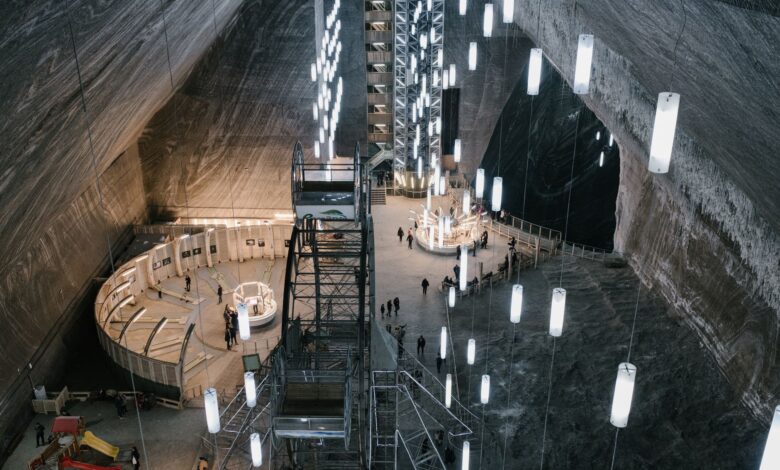
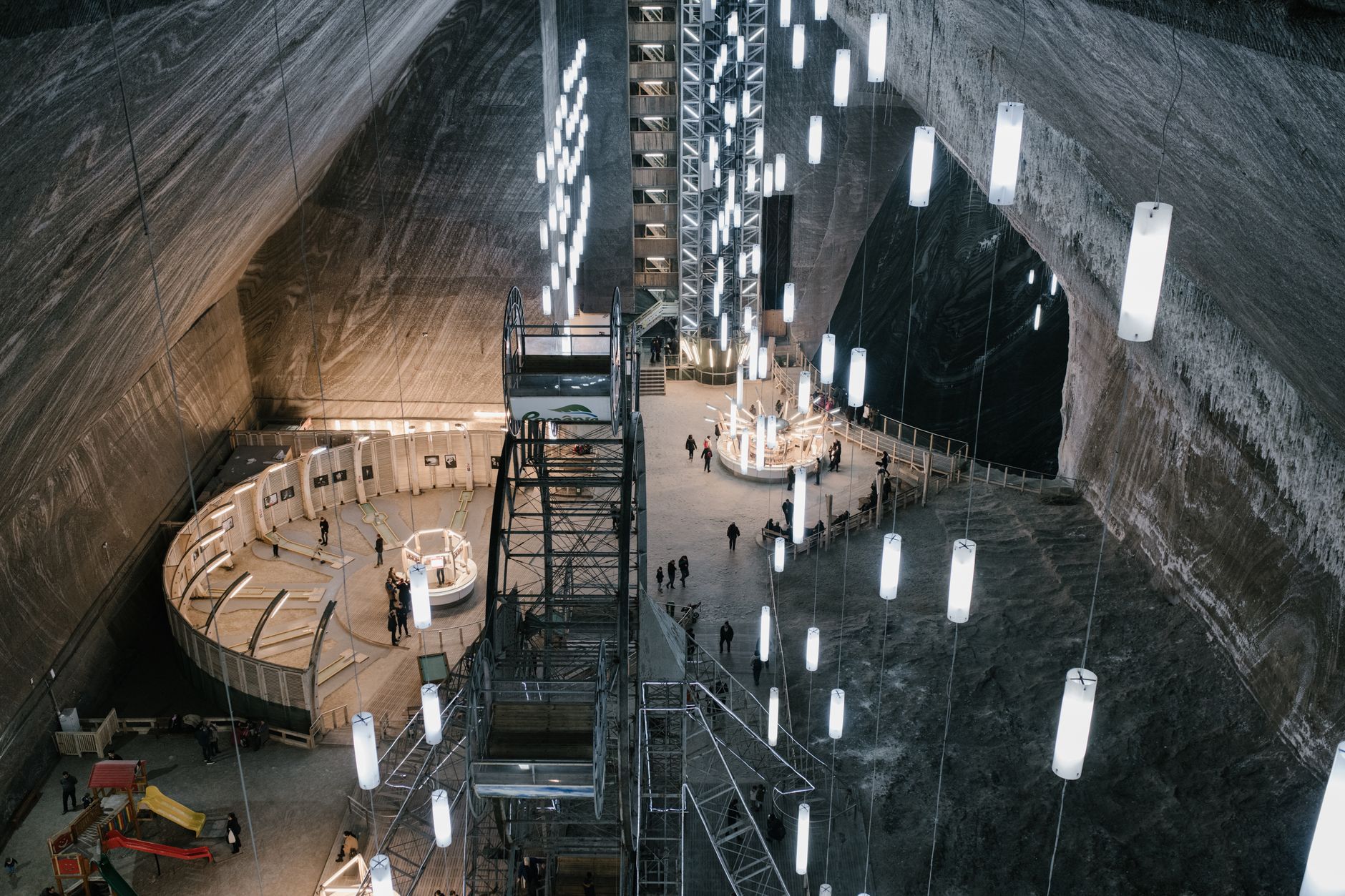
Brine caverns – vast underground salt formations capable of storing everything from natural gas to hydrogen to strategic petroleum reserves – have become a quiet obsession among the world’s largest sovereign wealth funds. These geological formations, carved out of ancient salt deposits through water injection, offer something increasingly rare in institutional investing: hard assets with long operational lifespans, low surface footprint, and direct relevance to energy transition infrastructure. The market for cavern leases is thin, opaque, and almost entirely off the public radar, which is precisely why the world’s biggest long-horizon capital pools are moving into it now.
The mechanics are straightforward. A sovereign fund acquires a lease on a salt formation, either directly from a government mineral rights authority or through secondary market purchases from energy companies looking to shed non-core assets. The cavern is then leased to operators – pipeline companies, utilities, hydrogen producers – who pay storage fees over multi-decade contracts. The revenue is predictable, the asset depreciates slowly, and the strategic value of underground storage only grows as energy grids become more complex and intermittent renewable sources demand buffer capacity.
This is patient capital doing what patient capital does best.
Why Sovereign Funds Are Positioned for This Trade
Most institutional investors can’t hold an asset that takes ten years to fully develop and fifty years to fully monetize. Pension funds face liability-matching constraints. Hedge funds answer to quarterly redemptions. But sovereign wealth funds – particularly those managing multigenerational national wealth from Gulf states, Norway, and East Asia – operate on timelines that align almost perfectly with the economic life of a brine cavern. A cavern commissioned today may still be generating storage revenue in 2090. That’s not a liability. That’s a feature.
The strategic overlay matters too. Several of the funds most active in this space represent nations that are simultaneously planning large-scale hydrogen export programs. Owning brine cavern leases in Europe and North America gives those funds a direct stake in the storage infrastructure that will underpin hydrogen trade routes. It’s not purely a financial play – it’s a position in the logistics of a commodity those same nations intend to supply. The investment and the national industrial strategy reinforce each other in ways that make the asset more defensible against political risk than it might appear.
Storage capacity in salt caverns is also genuinely constrained by geology. You cannot build a synthetic substitute. The salt formations suitable for cavern development are concentrated in specific regions – the US Gulf Coast, northern Germany, the UK’s east coast, parts of Denmark and the Netherlands. That geographic scarcity creates a pricing floor that doesn’t exist for above-ground storage alternatives like tanks or compressed gas cylinders. When supply is fixed by geology and demand is rising with energy complexity, the long-term rent extraction potential is substantial. Sovereign funds, which have been accumulating royalty-style cash flows in energy assets across multiple verticals, recognize this structure immediately.
How the Deals Actually Get Done
The market for brine cavern leases is not an exchange. There is no listing service, no standardized contract format, and no transparent price discovery mechanism. Deals happen through infrastructure brokers, through relationships with national oil companies looking to divest storage assets, and increasingly through joint ventures with specialist operators who understand the engineering requirements. A sovereign fund typically enters through a platform – either acquiring a minority stake in a storage company that already holds multiple leases, or partnering with an energy major that retains operational control while the fund holds the underlying real property interest.
The regulatory dimension adds complexity that deters shorter-horizon investors. Cavern storage in most jurisdictions requires permitting from both environmental agencies and energy regulators, with approval timelines that can stretch years. Operating restrictions on what can be stored, injection and withdrawal rates, and pressure limits are set by regulators and can change. For a fund deploying capital from a national treasury, navigating that regulatory environment is a manageable cost of doing business. For a private equity fund with a five-year exit window, it’s a dealbreaker. That regulatory friction is, in practice, another form of competitive moat.
Valuation is where things get technically interesting. Cavern leases are typically valued on a discounted cash flow basis using contracted storage fees, but the terminal value assumptions carry enormous weight given the asset life. Small changes in the long-run discount rate or the assumed capacity utilization rate fifty years out can swing the net present value dramatically. Funds with internal infrastructure teams capable of building proprietary geological and market models have a meaningful edge over generalist buyers. That analytical capacity is concentrated in exactly the type of large, well-resourced sovereign vehicles now accumulating these positions.
The Hydrogen Factor Changes the Math
The deepest reason sovereign capital is moving into brine cavern leases now – rather than five years ago or five years from now – is hydrogen. Salt caverns are currently the only proven technology capable of storing hydrogen at the scale and cycling frequency required for grid balancing. Underground hydrogen storage in salt formations has been demonstrated commercially in the UK and the US for decades, and as hydrogen production capacity expands through electrolysis projects tied to offshore wind, the demand for storage to buffer that production against grid needs will rise sharply. A fund that locks up quality cavern acreage today is not just buying a storage asset – it is buying optionality on the hydrogen economy’s physical infrastructure, without having to bet on which electrolyzer manufacturer or fuel cell company wins the technology race. The cavern doesn’t care what fills it. It just charges rent, decade after decade, while governments argue about which green technology deserves the next subsidy round.