
The Quiet Accumulation Nobody Talks About
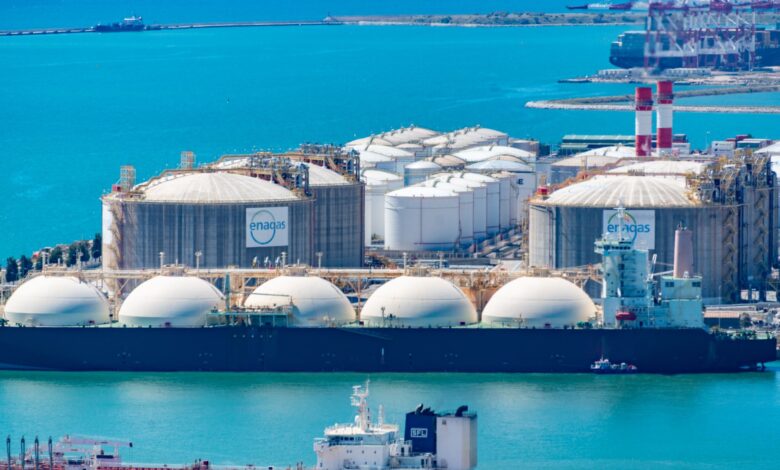
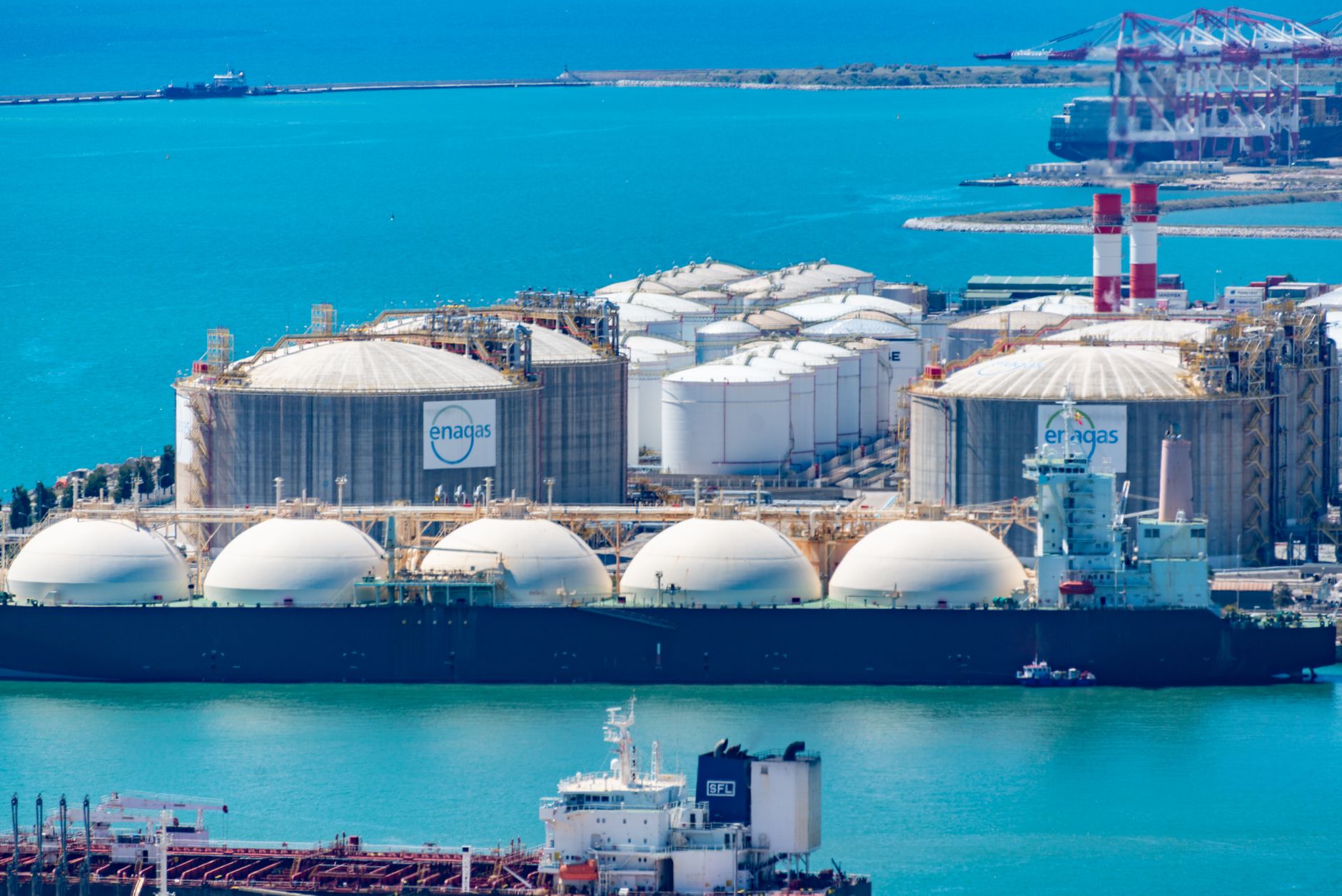
LNG truck loading agreements are not the kind of asset that shows up in portfolio brochures or conference keynotes. They are operational contracts – agreements between liquefied natural gas terminals and fleet operators that govern how fuel is dispensed, metered, and transferred at loading bays. Yet a growing number of family offices are acquiring partial stakes in these agreements, treating them the way prior generations treated toll roads or water rights: as infrastructure-adjacent income streams that sit outside the volatility of public markets.
The logic is straightforward. A truck loading agreement tied to an active terminal generates predictable fee income on a per-load or volume-committed basis. When the counterparty is a regional freight carrier or a municipal transit authority locked into a multi-year contract, the revenue profile looks less like an energy play and more like a lease. That distinction matters enormously to capital that cannot afford drawdown risk – or simply refuses to tolerate it.
Why This Asset Class Works for Private Wealth
Family offices operate under different constraints than institutional funds. They answer to a single family, often across multiple generations, which means the investment mandate can be genuinely long-term without the performance reporting pressure that shapes hedge fund behavior. LNG truck loading agreements suit that structure well. The contracts typically run three to seven years, with renewal options tied to infrastructure investment by the terminal operator. That duration creates a cash flow runway that fits neatly inside a family office’s planning horizon without requiring active management on a quarterly basis.
The income generated by these agreements also carries a different tax character depending on how the stake is structured. When a family office holds an interest through a partnership that participates in the terminal’s operations rather than simply financing them, depletion allowances and cost recovery mechanisms can reduce the effective tax rate on distributions. This is not a loophole – it is the intended design of energy investment taxation – but it is one that requires deliberate structuring. Most family offices entering this space are doing so through specialized energy law firms and boutique intermediaries who have spent years building relationships with terminal operators looking for non-bank capital sources.
The Infrastructure Case for LNG Trucking
Heavy freight in North America has not meaningfully decarbonized. Long-haul trucking still runs predominantly on diesel, but a subset of fleet operators – particularly those serving ports, intermodal hubs, and industrial corridors – has shifted toward LNG as a cost management strategy rather than an environmental one. LNG burns cleaner than diesel but the more immediate driver for fleet adoption is price stability. Terminal loading agreements often include fuel pricing formulas tied to Henry Hub or regional gas indices, which gives carriers more predictability than the crude-linked volatility of diesel markets.
That adoption trend is what makes the underlying contracts attractive. A terminal that has signed five-year agreements with three regional carriers is not speculating on energy prices – it is collecting throughput fees regardless of where natural gas trades. The family office that owns a partial stake in those agreements inherits that same structural insulation. Volume risk still exists: if a carrier reduces routes or loses customers, throughput can fall. But the contractual minimums embedded in most commercial loading agreements create a floor that limits downside to scenarios where the carrier itself fails.
The infrastructure buildout supporting LNG trucking has also been quietly accelerating. Terminal operators have invested in expanded loading bay capacity, real-time metering systems, and satellite-linked dispatch coordination that reduces loading times and increases daily truck throughput. Each of those investments effectively increases the earning capacity of the agreements attached to a given terminal. A stake in a loading agreement at a newly upgraded terminal is worth more in year three than it was in year one – not because energy prices moved, but because the operational efficiency of the facility improved.
This dynamic creates an appreciation angle that pure-fee infrastructure rarely offers. It is one of the reasons family offices are looking at these agreements as more than just yield vehicles. The combination of contracted income and operational upside from terminal improvements gives the asset class a return profile that sits somewhere between a net-lease real estate holding and a working interest in a midstream business – without requiring the capital intensity of either.

How Positions Are Being Structured
The mechanics of acquiring a stake in a loading agreement are not standardized. In some cases, family offices are buying partial interests directly from terminal operators who want to monetize future fee income without selling the terminal itself. In others, they are participating in special purpose vehicles that aggregate several agreements across multiple facilities, spreading concentration risk while maintaining the underlying fee structure. A smaller number of deals involve direct co-investment alongside operating companies that manage terminal logistics on behalf of multiple carriers.
The due diligence process is more intensive than buying a publicly traded midstream MLP, but the information available is often better. Private agreements come with audited throughput data, carrier creditworthiness assessments, and terminal inspection reports that give a clearer picture of operational reality than a quarterly earnings release. Family offices with existing energy exposure – particularly those that have built positions in diesel terminal ground leases – find the due diligence framework familiar enough to move efficiently.
The Risks That Deserve Honest Assessment
Liquidity is the most obvious constraint. A stake in a private loading agreement cannot be sold on an exchange, and the secondary market for these interests is thin. If a family office needs to exit before the contract term ends, finding a buyer at a reasonable price requires either a broker with specific relationships in the energy space or patience measured in months rather than days. Families that have matched this investment against long-duration liabilities or legacy wealth that will not be touched for a decade are better positioned to accept that constraint.
Regulatory risk is quieter but real. LNG is still a fossil fuel, and transportation infrastructure is subject to permitting requirements at the state and local level that can shift with political cycles. A terminal that operates under favorable permitting conditions today may face more friction at the next renewal cycle. That does not make the investment unworkable, but it does mean that geographic diversification across facilities in different regulatory environments is worth building into the strategy from the start.

Technology obsolescence sits at the back of every conversation about LNG trucking, even when nobody wants to say it directly. Battery-electric heavy trucks are not commercially viable for long-haul freight today, but that calculus could change within the next decade as battery energy density improves and charging infrastructure scales. A five-year loading agreement signed today is almost certainly safe from that disruption. A rolling reinvestment strategy that continuously extends exposure into new agreements through 2035 and beyond carries more uncertainty. The family offices most comfortable in this space are the ones treating it as a defined-duration income strategy rather than a permanent infrastructure allocation – getting the yield while the structural conditions support it, and staying clear-eyed about when those conditions might begin to shift.